Middletown's #1 Tree Expert Company
FREE Inspection & Estimate | Certified Arborists | Trimming, Pruning, Removal, More!
Sponsored
When Half the Canopy Looks Wrong in May
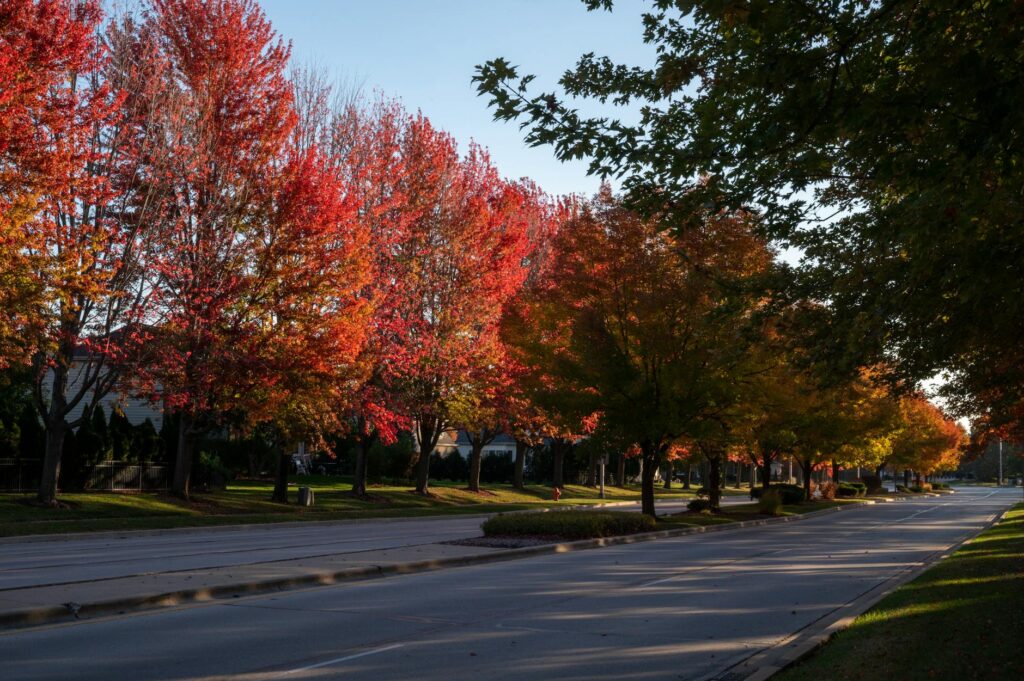
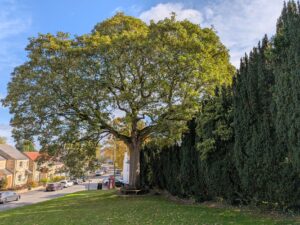
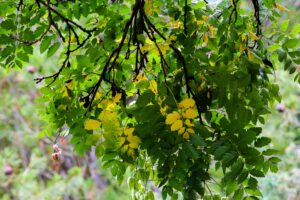
The call comes in mid-May, after a warm week finally pulls Middletown’s trees into full leaf. A homeowner in Lincroft describes it the same way I’ve heard it dozens of times: half the canopy leafed out normally, but one big scaffold limb — maybe a whole side of the tree — is wilting. The leaves are yellow-green instead of that clean spring flush, and they’re dropping onto the lawn in May while the neighbors’ maples look perfectly healthy.
What they’re describing is often verticillium wilt, a soil-borne fungal disease that is far more common in Monmouth County’s suburban landscape than most people realize. Red maple (Acer rubrum) is the tree I see it in most often, partly because it’s one of the most planted species in Middletown Township — in parkways, front yards, and along the side streets of older neighborhoods from Chapel Hill to Lincroft to Leonardo. Its ubiquity makes this disease worth understanding in detail.
By the time you see flagging branches and early leaf drop, the fungus has been quietly colonizing your tree’s water-conducting tissue for months, possibly years. There is no cure, but there is a range of management options — and sometimes a tree can carry the disease for decades without losing structural integrity. The key is knowing what you’re dealing with before you write the tree off or, worse, ignore symptoms that are going to get worse.
A Fungus That Lives in the Soil for Decades
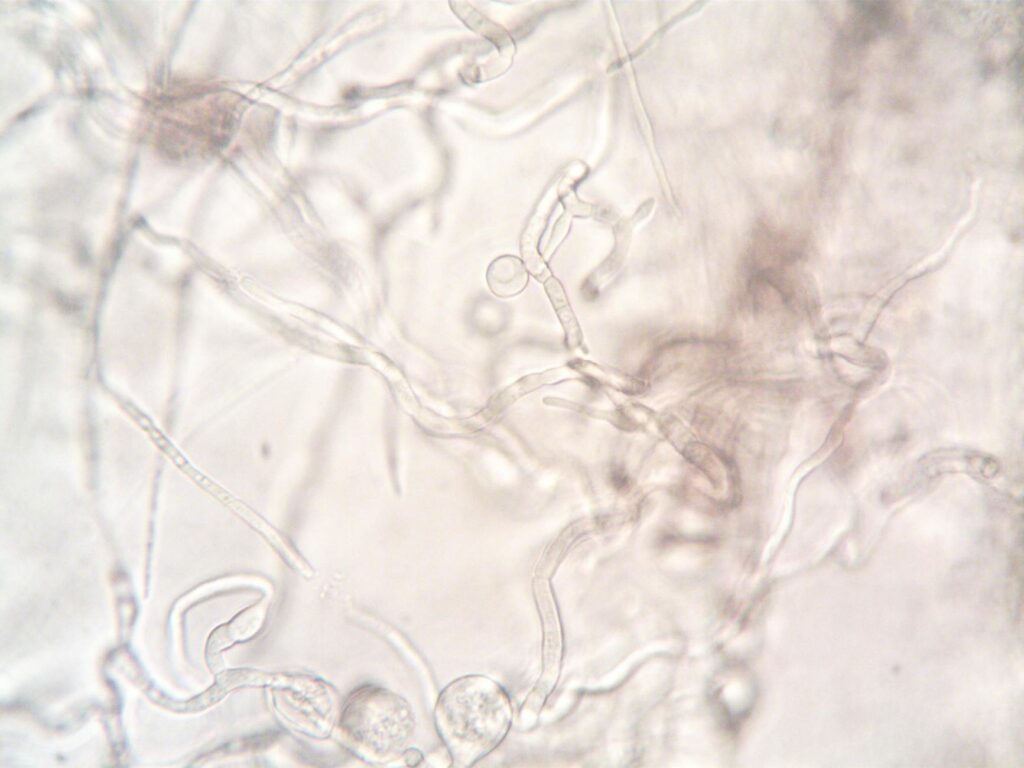
Verticillium wilt is caused by two closely related soil fungi: Verticillium dahliae and Verticillium albo-atrum. Both produce microsclerotia — tiny, melanized survival structures — that can remain viable in the soil for ten years or more, even without a host plant present. This persistence is one of the reasons the disease is so difficult to manage once it’s established in a yard.
The infection pathway begins at the roots. The fungus penetrates fine feeder roots, often through wounds caused by lawn equipment, soil compaction, or the stress cracks that develop in spring. From there, it moves into the xylem — the vascular tissue that carries water and dissolved nutrients from roots to leaves. As hyphae colonize the xylem vessels, they produce gels and toxins that restrict water flow, essentially starving the upper portions of the affected branches of the moisture they need during the peak demand period of late spring and summer.
The result is what arborists call flagging — individual branches or whole scaffold limbs that wilt, scorch at the leaf margins, and begin to die from the tips downward, while the rest of the tree appears healthy. This asymmetric pattern is one of the most useful diagnostic clues. USDA Forest Service research on verticillium wilt fungi notes that the disease is particularly aggressive in plants already stressed by low moisture or soil compaction — conditions that describe a significant portion of Middletown’s residential landscape.
Why Red Maples Take the Hardest Hit in Monmouth County

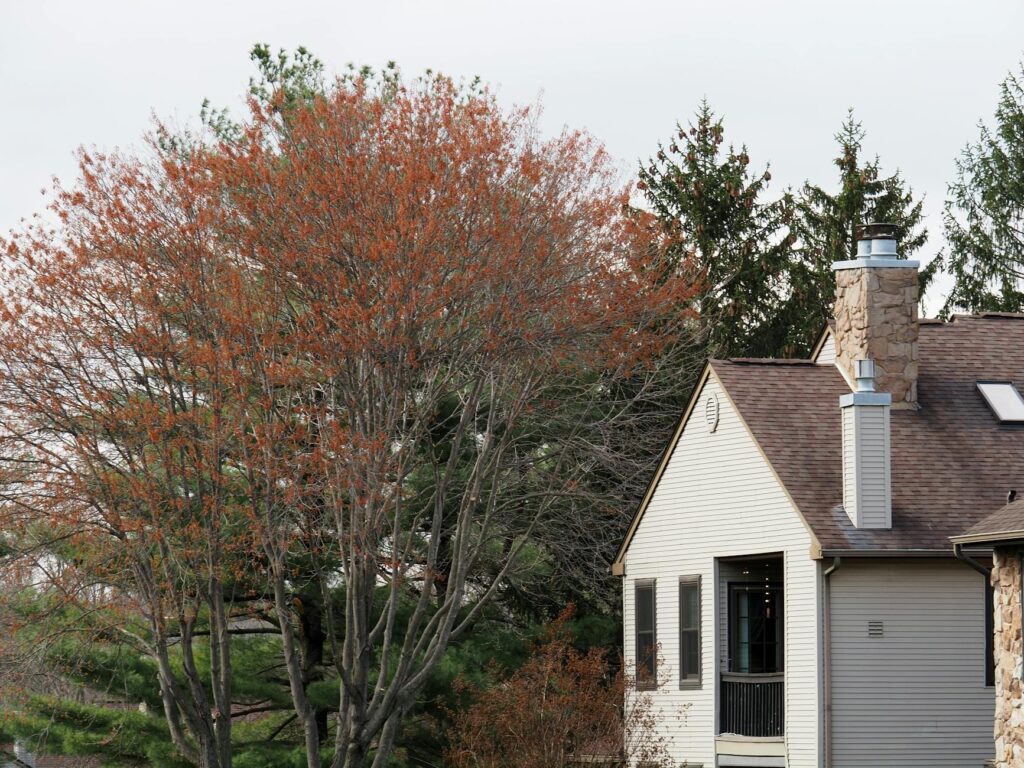
The genus Acer — maples — is among the most susceptible to verticillium wilt of any common landscape tree. Red maple, silver maple (Acer saccharinum), sugar maple (Acer saccharum), and Norway maple (Acer platanoides) are all highly vulnerable. In Middletown, red maple gets the bulk of the damage simply because it was planted everywhere from the 1970s through the 2000s. Go down almost any residential street in the older parts of town and you’ll see red maples in their thirties, forties, and fifties — prime age for a disease whose cumulative effects take years to surface visibly.
Age and stress make trees more susceptible. A red maple planted in a four-foot parkway strip between the curb and sidewalk — with compacted clay soil, reflected heat from pavement, and competition from turf — is under chronic low-grade stress. That stress impairs the tree’s ability to compartmentalize infection and restrict fungal spread within the xylem. A well-sited red maple growing in looser, well-drained soil with good root zone access may contract verticillium wilt and carry it for a decade with minimal visible decline. The same disease in a stressed tree can lead to major dieback within two or three growing seasons.
Other susceptible species common in Middletown include ash (Fraxinus spp.), tulip poplar (Liriodendron tulipifera), and redbud (Cercis canadensis). If you have confirmed verticillium in your soil and you’re planning new plantings, this species list is important information for choosing what goes in next.
Middletown's #1 Tree Expert Company
FREE Inspection & Estimate | Certified Arborists | Trimming, Pruning, Removal, More!
Sponsored
How to Read the Symptoms Your Maple Is Showing
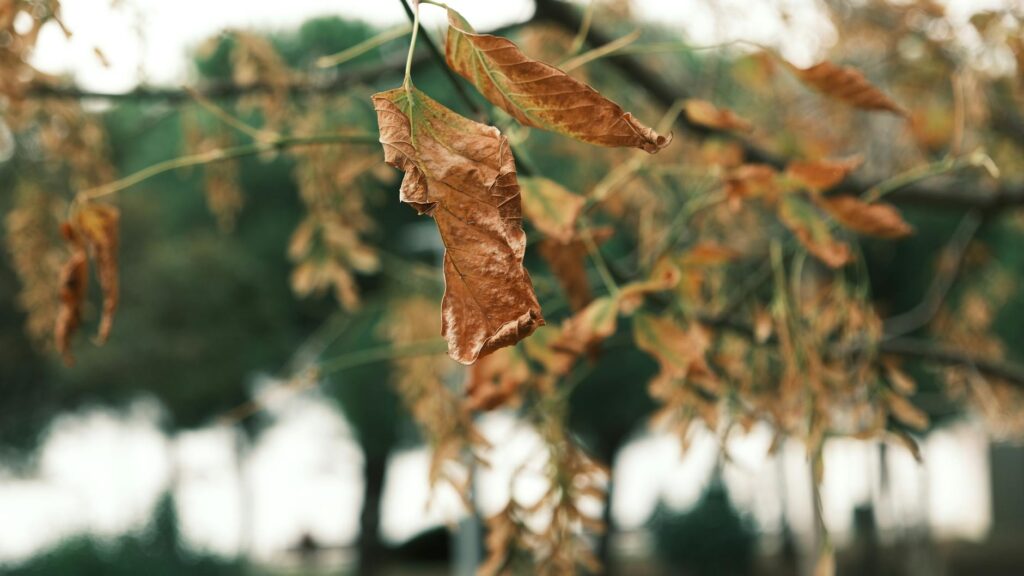
Verticillium wilt is commonly misdiagnosed as drought stress, girdling roots, or winter injury — all of which can produce superficially similar symptoms. The diagnostic features that point toward verticillium specifically are worth knowing before you call anyone.
- Asymmetric dieback. One branch or one side of the canopy wilts while adjacent branches remain healthy. This is different from drought stress, which typically causes uniform leaf scorch across the whole canopy simultaneously.
- Sapwood discoloration. Cut a cross-section of a recently wilted branch — pencil-thick to finger-thick material — and examine the living wood. Infected xylem shows streaks or rings of olive-green, grayish-brown, or dark discoloration in the outermost growth rings. Healthy wood is pale cream or white. This streaking is not always present, but when it is, it’s highly suggestive of verticillium.
- Marginal leaf scorch. Affected leaves often develop brown edges and tips while the leaf base remains green for a time, reflecting partial vascular blockage rather than total branch failure.
- Timing: May through August. Symptoms appear as the tree’s transpiration demand ramps up in late spring. The fungus-blocked vessels simply can’t keep pace with water movement to the leaves as the season heats up.
Definitive confirmation requires laboratory testing. The Rutgers Plant Diagnostic Laboratory accepts samples from New Jersey homeowners and can isolate and identify the pathogen from affected wood tissue. Collecting a 12-inch section of a recently wilted branch — still attached to the larger scaffold limb — and submitting it while symptoms are active gives the best chance of a positive identification. The cost is modest and the information is worth it before committing to any management plan.
How Middletown's History Creates the Right Conditions for Verticillium
Middletown Township was largely agricultural land — orchards, vegetable farms, and pasture — well into the mid-twentieth century. Verticillium dahliae has an exceptionally wide host range: it infects strawberries, potatoes, tomatoes, stone fruits, and scores of vegetable crops, all of which were historically grown in this area’s soils. When those farmfields were subdivided and developed from the 1950s through the 1990s, the verticillium-infected soil came with them. The microsclerotia that built up over decades of crop production don’t disappear when houses go up.
The Middletown landscape also features a range of soil types that create differential stress on trees. Along the coastal plain near Port Monmouth and Leonardo, soils tend toward sandy, well-drained profiles. In the interior sections of the township — particularly in the upland areas around Lincroft and the Navesink highlands — you find heavier silty loam and clay soils that drain poorly, leading to waterlogged conditions in winter and spring, then drought stress in summer as shallow root systems can’t reach deep moisture. Both conditions weaken tree defenses, and a weakened tree is far more susceptible to fungal invasion.
Recent construction activity matters too. Development projects often import fill soil of unknown provenance. If that soil carries verticillium inoculum — which you can’t detect visually — and it gets placed around newly planted trees, you may be establishing the conditions for disease before the tree is even in the ground. This is one reason why soil testing before replanting a site where a large maple died is worth the modest investment. An arborist or the Rutgers cooperative extension can guide you toward appropriate testing resources.
What Can Actually Be Done — and What Can't
The first thing to understand about verticillium wilt is that there is no curative treatment. Fungicides cannot penetrate infected xylem tissue effectively, and soil fumigation is neither practical nor appropriate in a residential setting. What management can do is improve tree vigor so the tree’s own defenses can slow the spread — and in some cases, a well-maintained tree can live for many years with the disease present.
Practical management steps include:
- Remove and dispose of affected branches. Prune wilted limbs back to healthy wood during dry weather. Don’t compost infected material — bag it or haul it out. This reduces the amount of colonized tissue and may slow systemic spread. Make clean cuts with disinfected tools.
- Deep watering during dry periods. Maintaining consistent soil moisture 12 to 18 inches deep reduces the gap between what the compromised vascular system can deliver and what the leaves demand. Slow, deep irrigation at the drip line — not quick sprinkler passes — is the right approach through Middletown’s typically dry July and August.
- Proper mulching. A three- to four-inch layer of organic mulch applied in a wide ring, never piled against the trunk, conserves moisture, moderates soil temperature, and improves soil biology over time. Done right, this is one of the highest-return maintenance practices you can apply to a stressed tree.
- Avoid root zone disturbance. Don’t dig around a symptomatic tree, don’t compact the soil further, don’t trench through the root zone for irrigation or utility lines. Every root injury is a potential new entry point for the fungus.
- Choose resistant species for replacements. Research published in Arboriculture & Urban Forestry identifies ginkgo, sweetgum, and many native oaks as significantly less susceptible to verticillium than maples. Native serviceberry (Amelanchier spp.), hornbeam (Carpinus caroliniana), and river birch (Betula nigra) are all excellent Middletown-appropriate replacements for a site where maples have struggled.
If a tree has lost more than 30 to 40 percent of its canopy, or if the disease is progressing rapidly across multiple scaffold limbs in a single season, removal may be the most practical path — not because verticillium-infected trees fall without warning, but because a significantly compromised canopy creates cumulative structural risk, particularly in a part of New Jersey that sees nor’easters, line storms, and summer thunderstorms with regularity.
Middletown's #1 Tree Expert Company
FREE Inspection & Estimate | Certified Arborists | Trimming, Pruning, Removal, More!
Sponsored
When to Call a Certified Arborist
Verticillium wilt is frequently misidentified, and the wrong diagnosis leads to the wrong management response. A homeowner who treats a wilting maple with fertilizer, thinking it’s a nutrient deficiency, or installs an irrigation system, thinking it’s drought, without addressing the underlying disease may inadvertently push excessive growth that a compromised vascular system can’t support. A certified arborist can assess the symptom pattern, perform a branch-cut test on site, collect samples for laboratory confirmation, and give you a realistic prognosis — one that accounts for the specific tree, its placement, its structural condition, and your property’s site history.
If the diagnosis is confirmed, an arborist can also assess structural integrity separate from tree health. A red maple with significant dieback in the upper canopy still carries weight in those dead branches, and dead wood over a roof, a driveway, or a play area needs to be evaluated with risk in mind. This is a different question from disease management, and it requires a trained eye to answer honestly.
For trees that are marginal candidates — 20 to 30 percent canopy loss, otherwise good structure — a certified arborist may recommend a multi-year management plan: strategic pruning, soil improvements, careful monitoring. This approach works. Verticillium-infected red maples in Middletown can be managed productively for years when the disease is caught early and the tree’s growing conditions are improved. But it requires honest assessment from someone who has seen the disease many times and knows the difference between a tree worth fighting for and one that has already decided the outcome. The time to call is when you first notice that something is off — not after half the canopy is gone.
Photo credits: Featured image by Gene Samit on Pexels; Section 1 by Mahesh Mohan on Pexels; Section 2 by turek on Pexels; Section 3 by Jan van der Wolf on Pexels; Section 4 by hubbugaye on Pexels; Section 5 by Markus Winkler on Pexels; Section 6 by Dmytro Glazunov on Pexels; Section 7 by John Robertson on Pexels.