Middletown's #1 Tree Expert Company
FREE Inspection & Estimate | Certified Arborists | Trimming, Pruning, Removal, More!
Sponsored
The Treatment Homeowners Keep Asking Me About
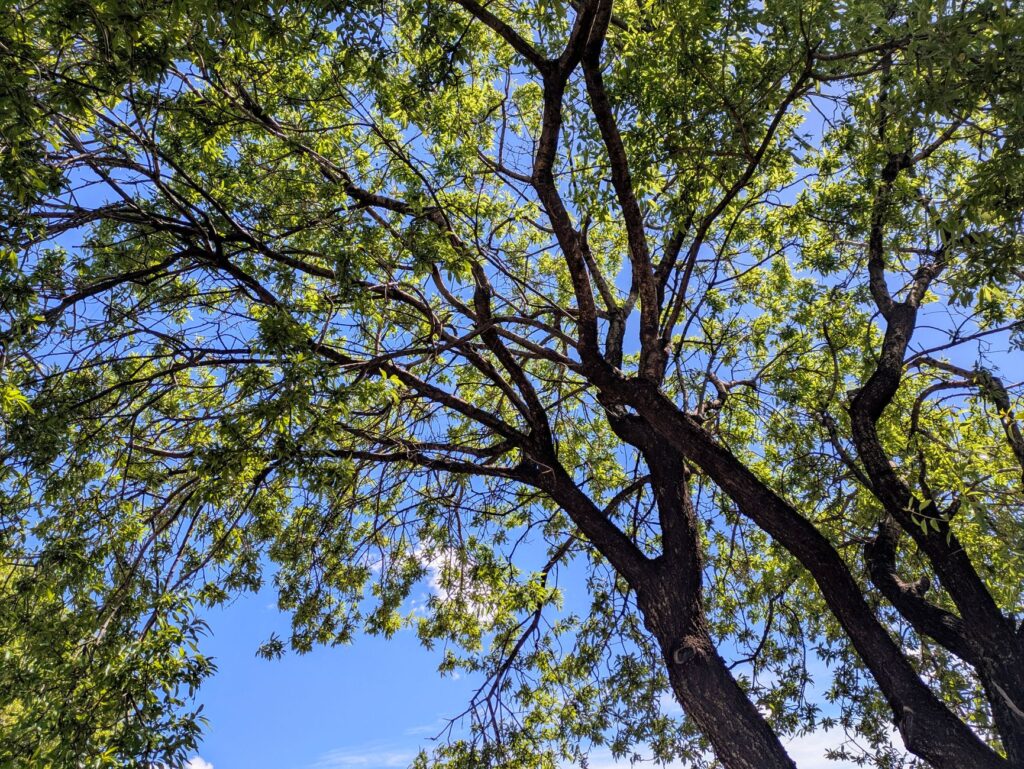
I’ve had three separate conversations this month with Middletown homeowners who’d heard the phrase “growth regulator” from a neighbor or a lawn-care flyer and wanted to know if it was something their stressed shade tree needed. Usually the tree in question is a mature red maple or pin oak that’s been declining for a year or two — smaller leaves each spring, a canopy that looks a little thin against the July sky, branches that used to push two feet of new growth now pushing six inches.
Tree growth regulators, or TGRs, are a real plant health care tool, and a useful one for exactly this kind of tree. But the name causes confusion, because it sounds like something that speeds a tree up. It does the opposite, and understanding why is the key to understanding when it actually helps.
What a Growth Regulator Actually Does Inside the Tree
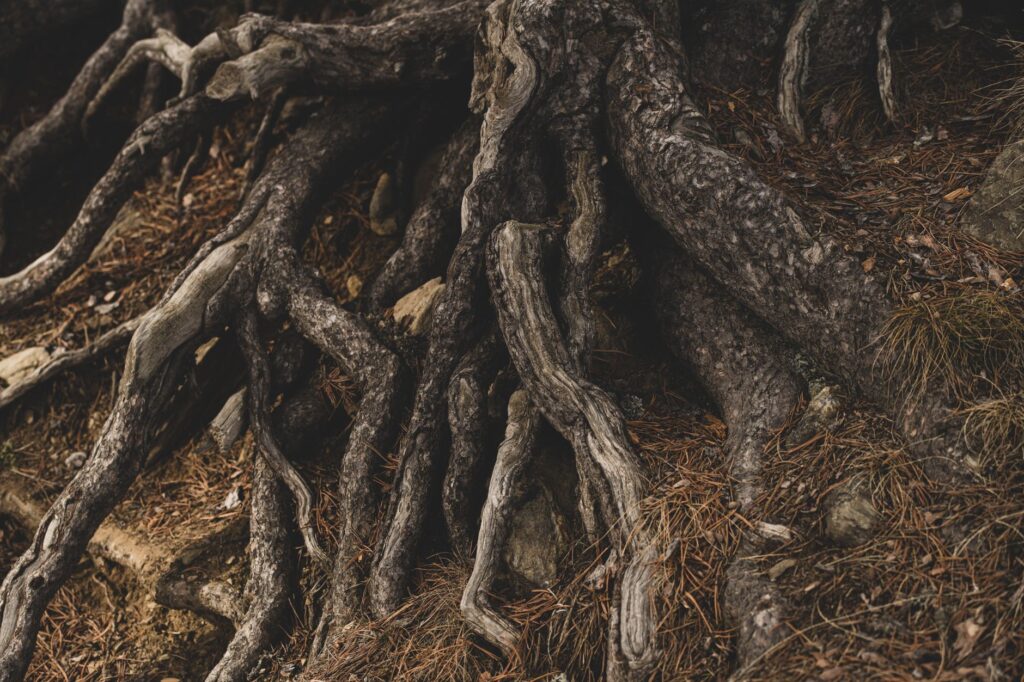
The active ingredient most arborists use, paclobutrazol, works by slowing the production of gibberellin, a plant hormone that drives shoot elongation. Applied correctly, it doesn’t shut a tree down — it shifts the tree’s energy budget. Instead of pouring resources into six inches of new twig growth every spring, a treated tree redirects that energy into building a denser, more fibrous root system and thicker, darker-green foliage.
That’s the opposite of what most homeowners assume a tree treatment does. It isn’t a fertilizer, and it isn’t a pesticide. It’s closer to a hormonal nudge that trades canopy expansion for root development — which is exactly the trade a compacted, stressed urban lot needs. Research published in the ISA’s peer-reviewed journal has documented measurable root system enhancement following paclobutrazol treatment, which is the mechanism behind most of the stress-tolerance benefits arborists report.
It helps to think of it less as medicine and more as a budget adjustment. A healthy tree is constantly deciding, season to season, how much of its stored sugar goes toward new shoot length versus root expansion versus building reserves for the following spring. A growth regulator tips that internal decision toward roots for a few seasons, which is precisely the allocation a tree fighting a cramped root zone would make on its own if it had the reserves to spare — it usually doesn’t, which is the whole reason the tree is struggling in the first place.
Why This Matters on Middletown's Compacted, Clay-Loam Lots

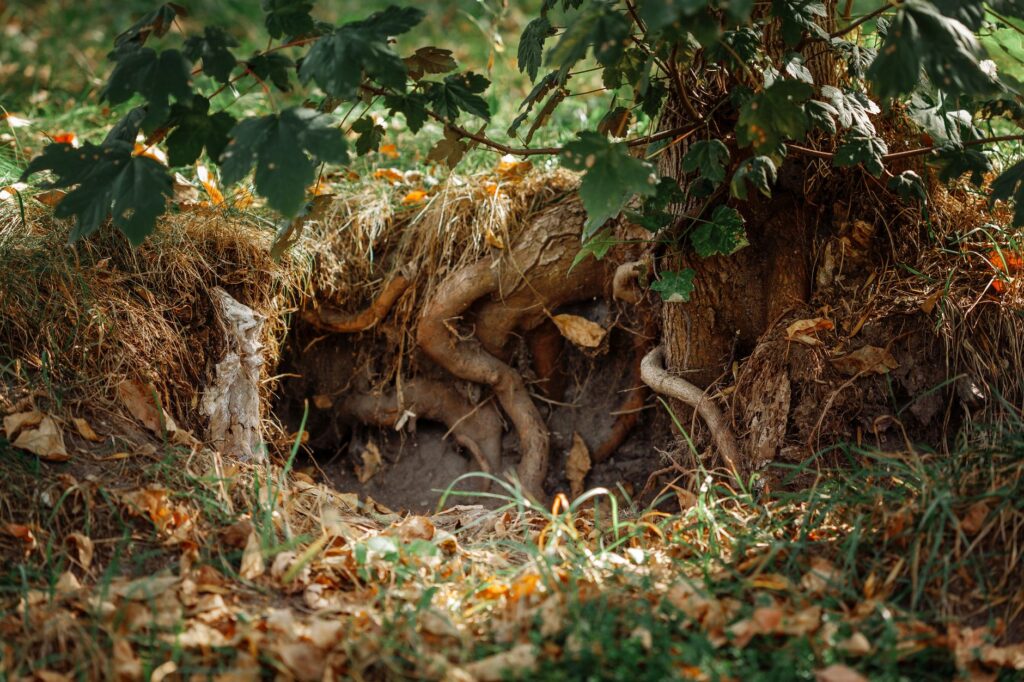
A tree growing in a forest doesn’t need help building roots — it’s surrounded by loose, undisturbed, biologically active soil. A tree growing in a Middletown front yard is a different story. Decades of foot traffic, driveway construction, lawn compaction, and the naturally dense clay-loam soils common from Lincroft to the Bayshore all conspire to limit how far roots can spread and how much oxygen and water they can access.
Add a hot, dry July stretch on top of that, and a tree with a restricted root system simply can’t keep up. It’s the same tree that struggles most visibly during heat waves — thinning canopy, early leaf drop, dieback in the outer crown. A growth regulator won’t fix compacted soil on its own, but by pushing the tree to invest in more roots relative to canopy, it can meaningfully improve how well an established tree tolerates the stress that compacted soil creates in the first place.
I see this most often on lots near Port Monmouth and Leonardo where a driveway or patio was poured decades after the tree was already established, cutting off root space on one side permanently. The tree can’t move, and the pavement isn’t coming out. In that situation, helping the remaining accessible root zone work harder is often the most realistic intervention available, short of a much larger and more expensive excavation project.
Middletown's #1 Tree Expert Company
FREE Inspection & Estimate | Certified Arborists | Trimming, Pruning, Removal, More!
Sponsored
How the Treatment Actually Gets Applied
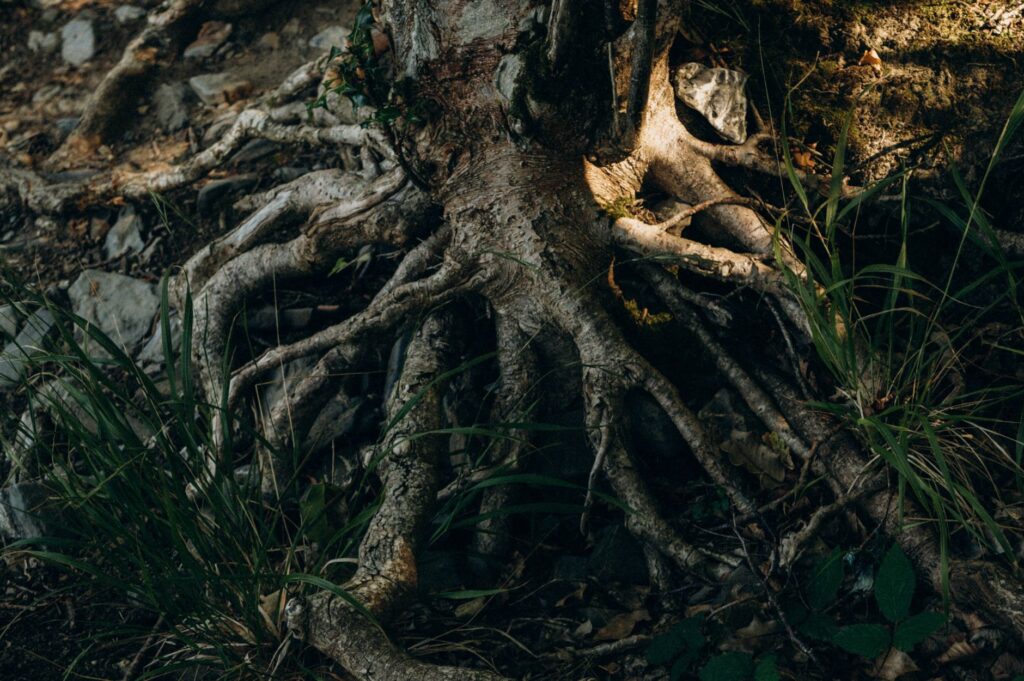
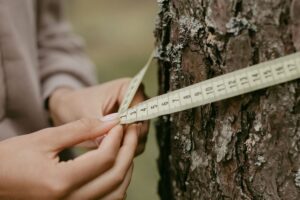
This isn’t a spray you’d see drifting over a canopy. Paclobutrazol is typically applied as a soil drench or injected in small doses around the tree’s root flare and root zone, usually in spring before the tree’s peak growth period. A licensed applicator measures the dose based on trunk diameter, since applying too much can suppress growth more aggressively than intended.
One application generally influences growth for two to three years, tapering off gradually rather than stopping abruptly. That’s part of why it’s worth having a certified arborist involved from the start — timing, dosage, and monitoring over the following seasons all affect whether the tree responds the way you’d expect.
Most arborists will also want a baseline look at the tree before treating it — measuring a season or two of twig growth, checking the trunk and root flare, and ruling out other causes of decline. That baseline matters later, too, since the way you judge whether the treatment worked is by comparing growth patterns in the following seasons against what the tree was doing before.
What It Won't Fix — and Why Arborists Treat It as One Tool, Not a Cure

A growth regulator is not a substitute for water, mulch, or a healthy soil environment, and it’s not appropriate for every declining tree. If a tree is losing vigor because of a root disease, severe trunk decay, girdling roots, or recent construction damage that severed major roots, a growth regulator addresses none of that underlying problem — it just changes how the tree allocates energy while the real issue continues.
The Tree Care Industry Association frames growth regulators as one piece of a broader plant health care program, used alongside proper mulching, deep watering during dry stretches, and correcting soil conditions where possible — not as a standalone fix. Their overview of soil amendments and plant health care strategy lays out how these treatments fit alongside the rest of a tree’s care plan rather than replacing it. Healthy soil biology underneath all of it still matters — Rutgers NJAES has a solid primer on soil health fundamentals worth reading if you want to understand what a tree’s root zone actually needs to thrive.
Is Your Tree a Reasonable Candidate?
The trees I consider for this treatment share a pattern: structurally sound, no major decay or dead wood, but showing a couple of consecutive years of reduced shoot growth, smaller-than-normal leaves, or a canopy that’s thinning without an obvious pest or disease driving it. Often it’s a mature tree near a driveway, patio, or old construction footprint where root space has always been limited.
It’s a poor fit for a young, vigorously growing tree that doesn’t need slower shoot growth, and it’s the wrong tool entirely for a tree in serious structural decline — that tree needs a risk assessment, not a hormone treatment. This is exactly the kind of judgment call where a diagnosis matters more than the treatment itself.
- Good candidate signs: slowing annual growth, smaller leaves over several years, thin canopy without pest damage, root zone limited by pavement or compaction
- Poor candidate signs: active decay, recent major root loss, girdling roots, young or vigorously growing trees
A certified arborist can tell the difference in one visit, usually by looking at a few years of twig growth and checking the trunk and root flare for the deeper problems a growth regulator can’t touch.
Middletown's #1 Tree Expert Company
FREE Inspection & Estimate | Certified Arborists | Trimming, Pruning, Removal, More!
Sponsored
The Bottom Line for a Struggling Shade Tree
A growth regulator is a narrow, well-studied tool for a specific problem: a structurally sound tree whose root system can’t keep pace with the demands of its canopy, usually because of the compacted, disturbed soil that comes standard with suburban Middletown lots. Used on the right tree, it can meaningfully improve stress tolerance over a few growing seasons. Used on the wrong tree, it does nothing to address the actual problem.
If you’ve got a shade tree that’s been quietly losing ground for a season or two and you’re not sure why, that’s worth a professional look before you reach for any treatment, this one included. A certified arborist can tell you whether the tree’s struggle is something a growth regulator can help with, or something that needs a different approach entirely.
Photo credits: Featured image by Julia Filirovska on Pexels; Section 1 by BEN HDA on Pexels; Section 2 by Walter Cunha on Pexels; Section 3 by meomupmofilm on Pexels; Section 4 by Liudmyla Shalimova on Pexels; Section 5 by Jimmy Chan on Pexels; Section 6 by Helena Jankovičová Kováčová on Pexels; Section 7 by Eddie O. on Pexels.