Oak Galls in Middletown: What Those Bumps on Your Oak Leaves Mean
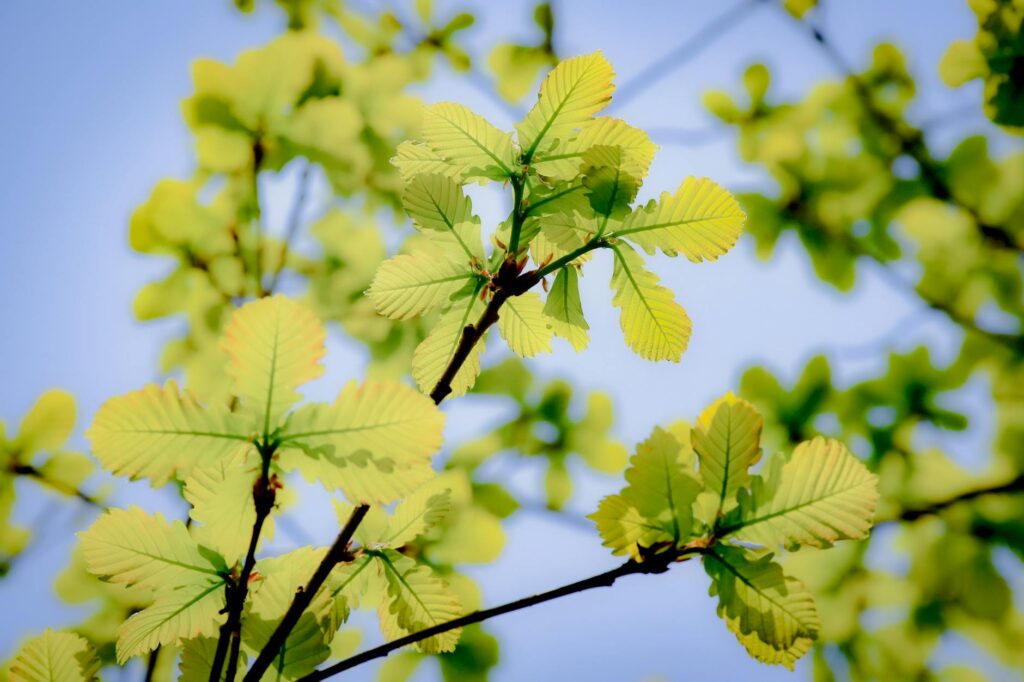
Oak galls alarm Middletown homeowners every May, but most are harmless. Here’s how to tell a benign leaf gall from a twig gall that could hurt your oak.
Fire Blight Is Burning Through Middletown’s Bradford Pears This May
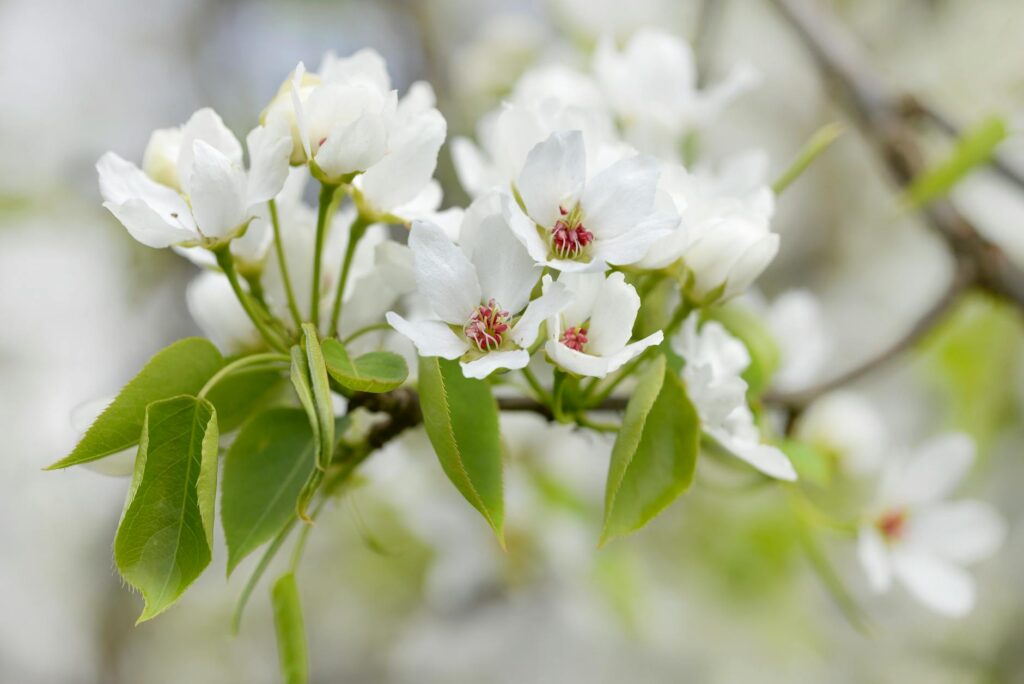
If your ornamental pear or crabapple looks scorched in early May, fire blight is the likely culprit. Here’s what Middletown homeowners need to know right now.
Sycamore Anthracnose: Why Your Middletown Tree Looks Dead Each May
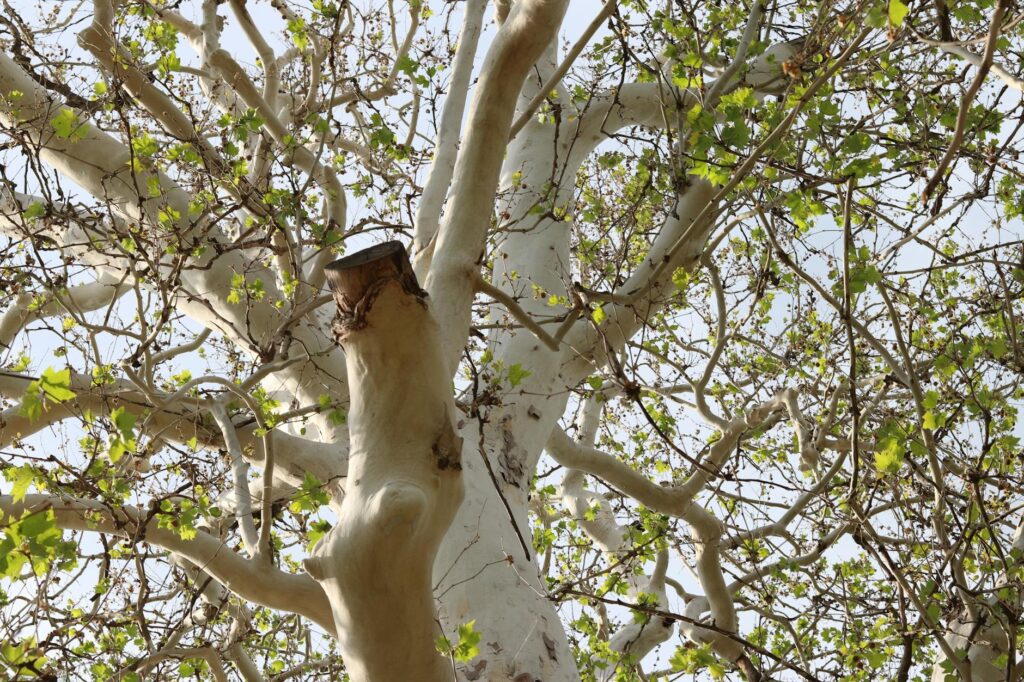
That sorry-looking sycamore likely isn’t dying—it’s battling anthracnose, a spring fungal disease that cycles through Monmouth County every cool, wet season.
Hemlock Woolly Adelgid: Saving Middletown’s Hemlocks This Spring
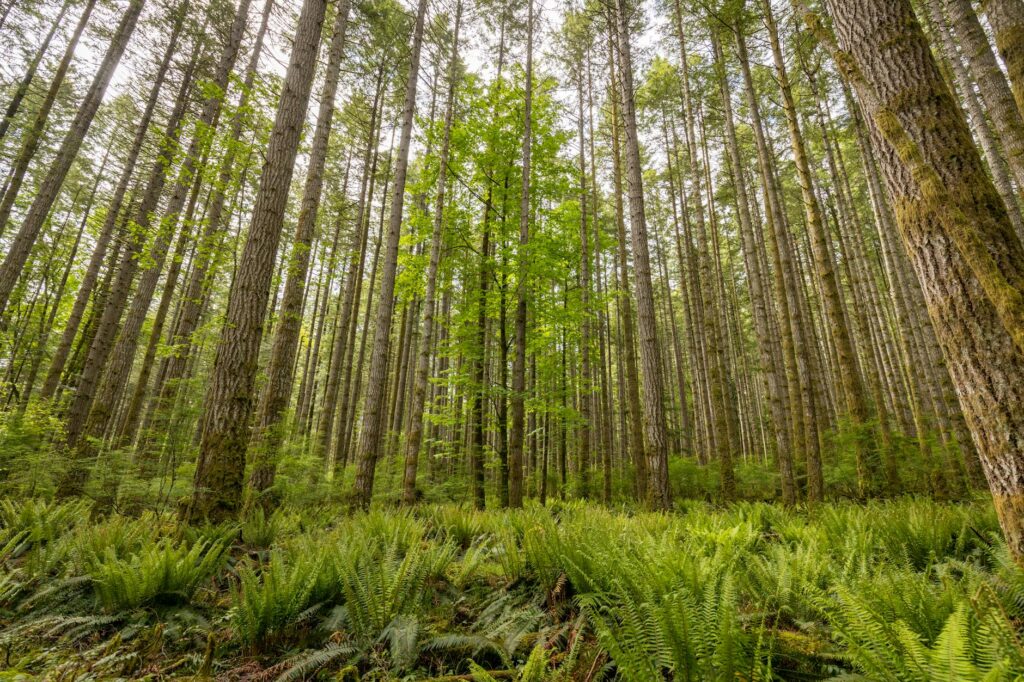
Hemlock woolly adelgid is quietly killing eastern hemlocks across Monmouth County. Late April is the prime scouting window — here’s how to spot it and act before it’s too late.
Norway Maple: The Invasive Tree Hiding in Middletown Yards
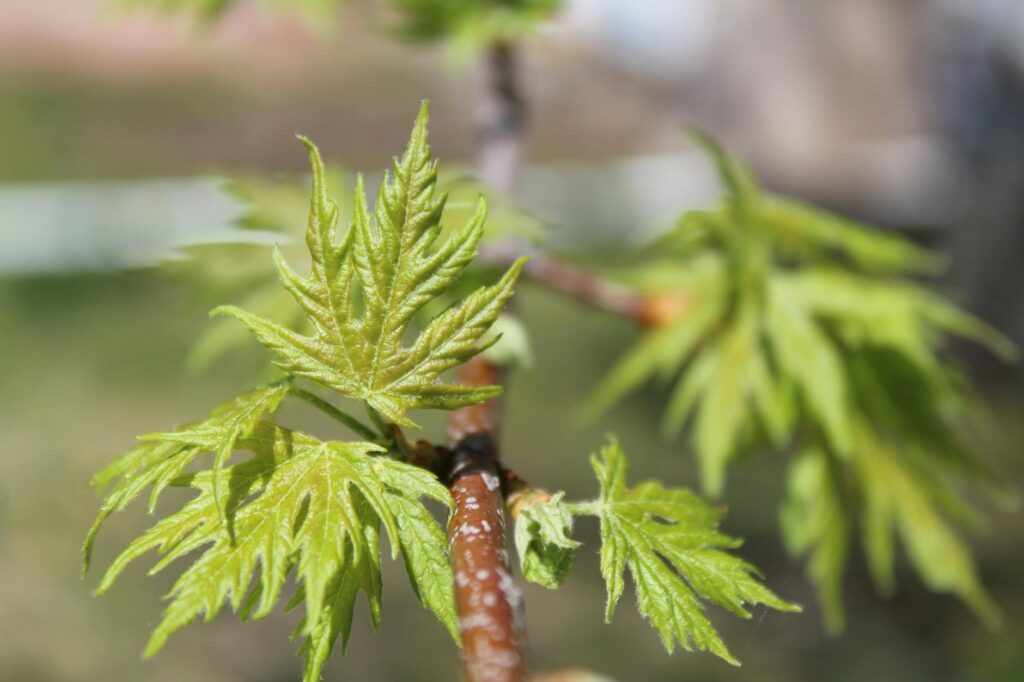
One in four maples in Middletown neighborhoods may be the invasive Norway maple. Here’s the ten-second April ID test and what to do about it.
Dogwood Anthracnose in Middletown: Spot It Before It’s Too Late
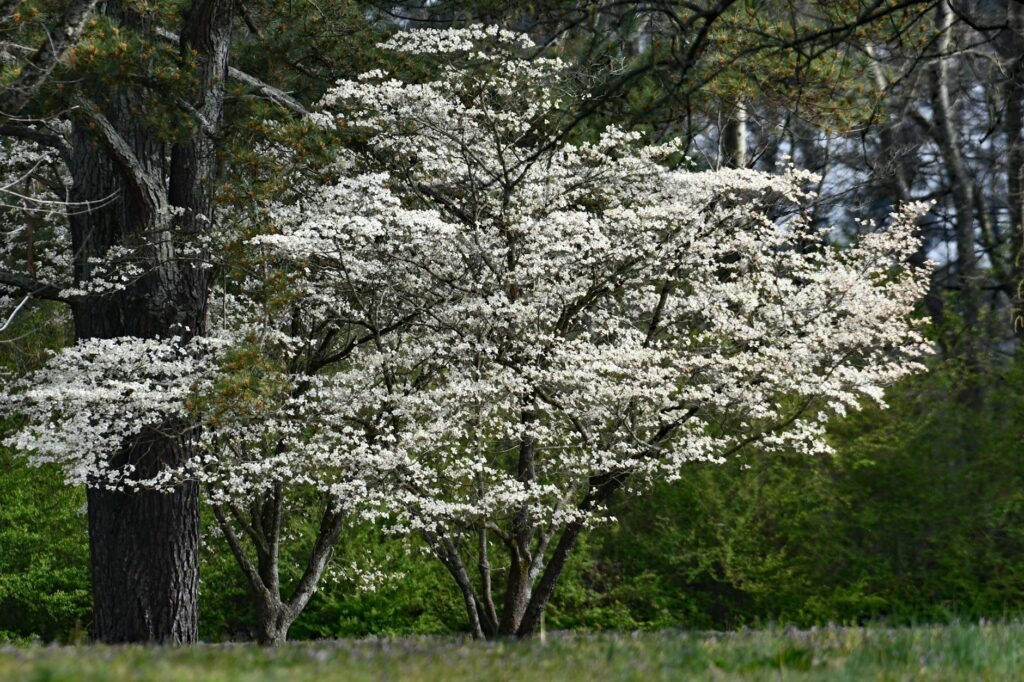
Middletown’s flowering dogwoods are under attack from dogwood anthracnose this spring. Learn to spot the symptoms and act while treatment is still possible.
Spotted Lanternfly Is Hatching in Middletown Right Now: Act This Weekend
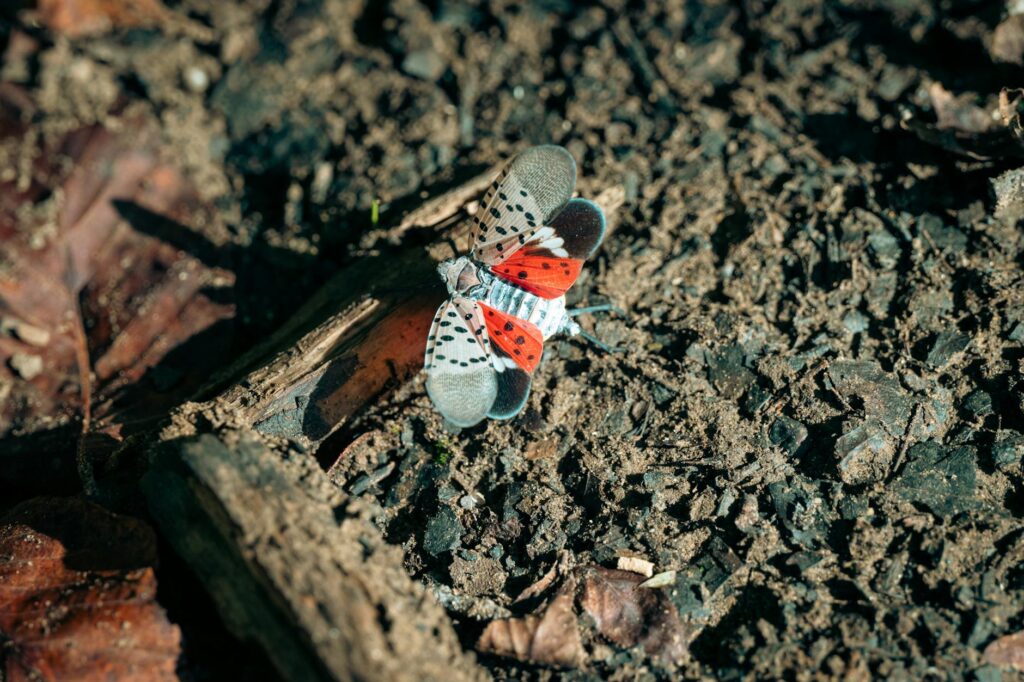
Late April is the best moment all year to get ahead of spotted lanternfly on your Middletown property — the nymphs are just emerging and still vulnerable.
Eastern Tent Caterpillars Are Back in Middletown: What to Do Now
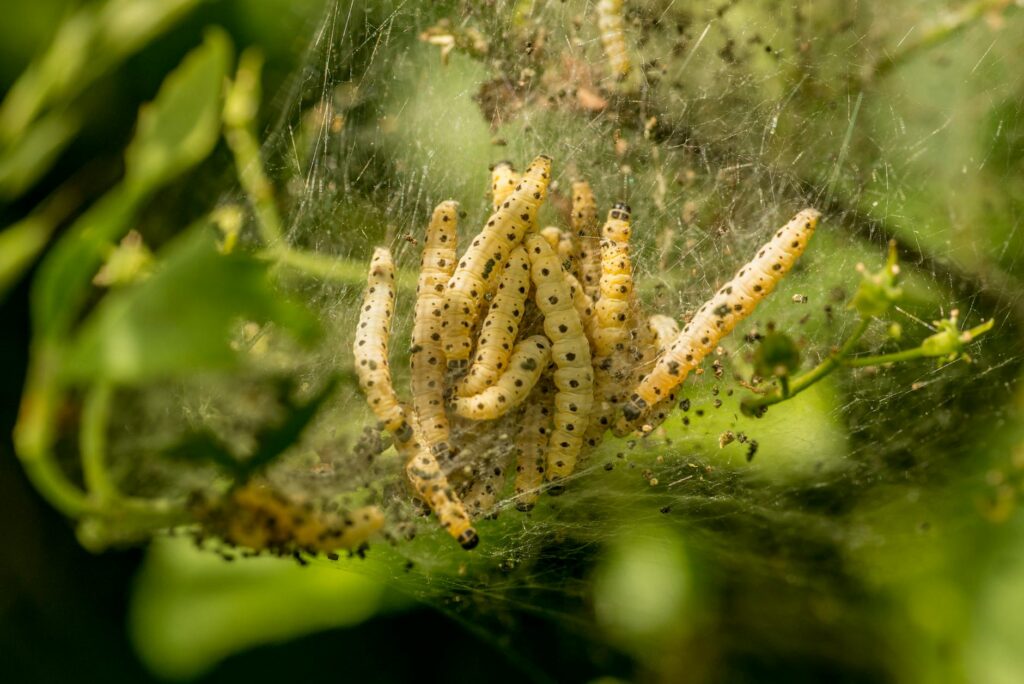
Those white silken webs in Middletown’s cherry and crabapple trees are eastern tent caterpillars — here’s what they mean for your trees and what to do this week.
Spongy Moth in Middletown: Scout Your Trees Before It’s Too Late
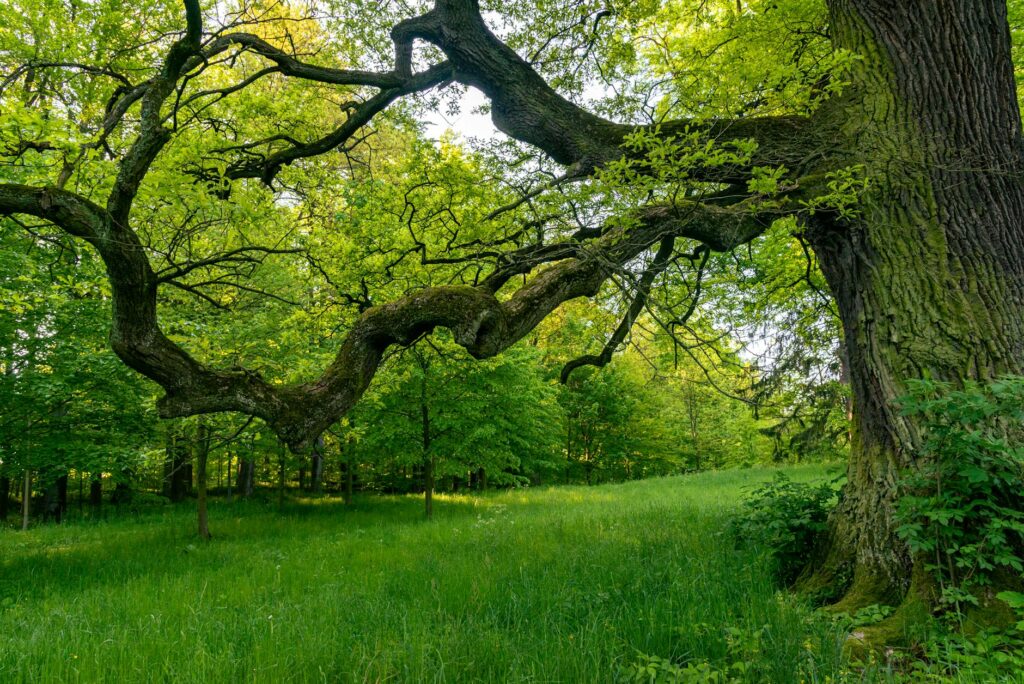
Spongy moth egg masses are about to hatch across Monmouth County. Here’s how to identify them, protect your oaks, and act before defoliation begins.
Emerald Ash Borer in Monmouth County: Is There Still a Reason to Treat Your Ash?
Most of the ash trees in Middletown are already dead or dying. For the few that remain, late April is the decision window. Treat, remove, or watch.