Middletown's #1 Tree Expert Company
FREE Inspection & Estimate | Certified Arborists | Trimming, Pruning, Removal, More!
Sponsored
The Hottest Spot in Your Yard Isn't Where You Think
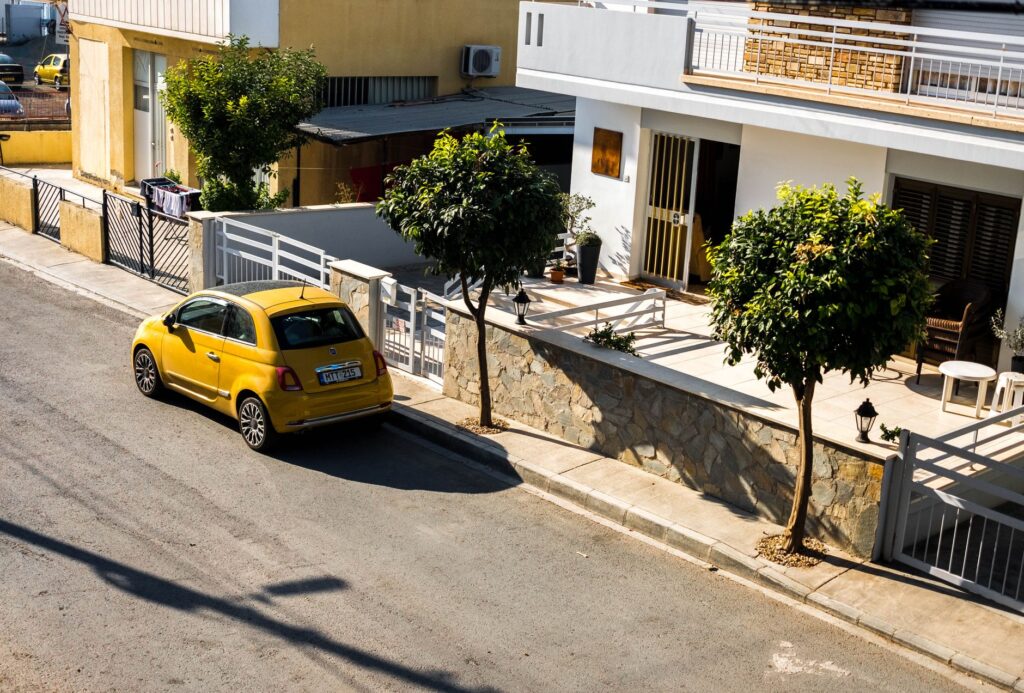
Every July I get the same call. A homeowner in Lincroft or Leonardo planted a tree three summers ago, watered it faithfully, and watched it scorch anyway — while an identical tree twenty feet away, planted the same week, is thriving. Nine times out of ten, the difference isn’t the tree or the watering. It’s the microclimate.
A south- or west-facing strip along a driveway, a bed tucked between a brick foundation and an asphalt walkway, a spot that catches afternoon sun bouncing off vinyl siding — these pockets can run 10 to 15 degrees hotter than open lawn just a few yards away. Add Middletown’s clay-loam soil, which sheds water fast once it’s baked hard, and you’ve got a spot that’s punishing even for species we’d normally call tough.
This is the piece that gets skipped in most planting decisions. Homeowners pick a tree for its shape, its fall color, or because a neighbor has one. But right tree, right place isn’t just about mature size and power lines — it’s about matching a species’ heat and drought tolerance to the specific six-by-ten-foot patch of your property where you’re actually putting it.
What Actually Makes a Yard Spot Run Hot
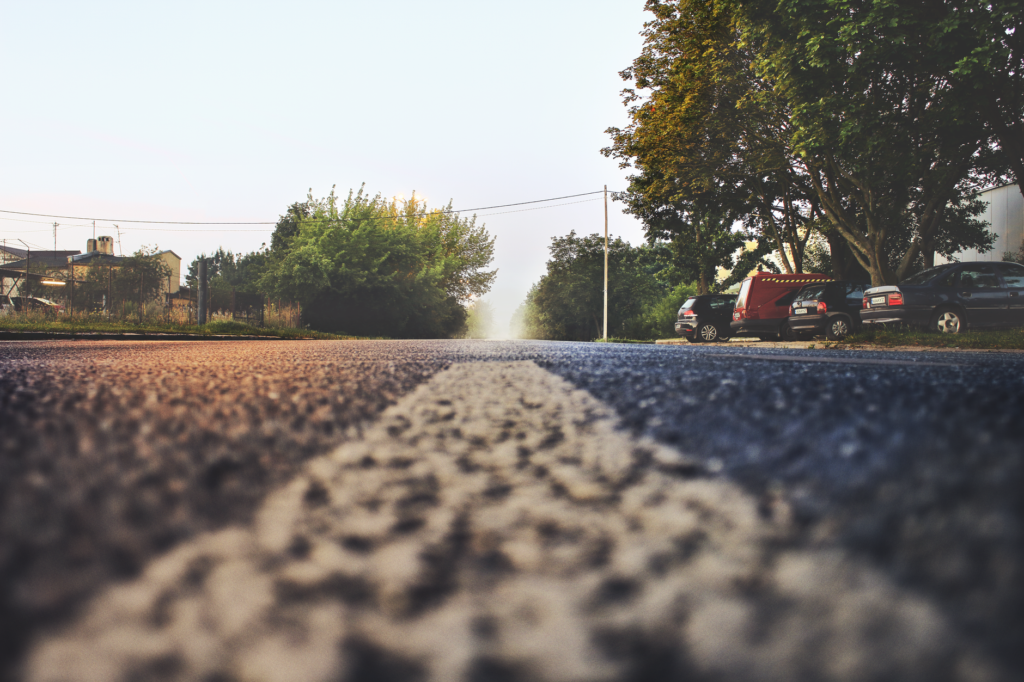
Foresters have studied this at city scale for decades under the term urban heat island — the way pavement, brick, and dark roofing absorb solar radiation all day and radiate it back well into the evening. Your yard has its own miniature version of this effect, and it’s worth learning to spot it before you dig a hole.
Four things stack up to create a hot microclimate:
- Hardscape proximity — asphalt driveways and concrete patios can hit 150°F+ on a sunny July afternoon and keep releasing that heat for hours after sunset.
- Reflected light — light-colored siding, especially vinyl, bounces both heat and UV back onto a tree’s canopy from a second direction.
- Wall-trapped air — a tree tucked against a south-facing foundation loses the cooling breeze that reaches open lawn, so leaf surface temperatures climb higher and stay there longer.
- Restricted root zone — pavement on one or more sides limits how far roots can spread to find moisture, which compounds heat stress with drought stress.
The USDA Forest Service’s research on urban heat found that these effects aren’t limited to city blocks — any yard with enough hardscape and southern exposure can generate a measurable heat pocket, and Middletown’s newer developments with wide driveways and minimal tree canopy are a textbook example.
How to Tell You've Got a Hot Pocket Before You Plant

You don’t need instruments to find these spots — just attention over a few afternoons. Walk your property between 2 and 5 p.m. on a clear July day and note where the ground feels noticeably warmer underfoot, where grass thins out or goes dormant first, and where snow melted fastest last winter if you can recall it. Snowmelt patterns are one of the most reliable low-tech heat maps a homeowner has.
Look, too, at how existing plantings are behaving. A hosta or hydrangea that wilts by early afternoon even after watering is telling you something about that bed’s exposure. If a lawn strip along the driveway always browns out first in a dry spell, that strip is not a good home for a tree that needs consistent moisture.
Soil matters here too. Middletown’s clay-loam holds water well when it’s intact, but compacted or hardscape-adjacent soil loses that structure and dries into something closer to brick. Rutgers NJAES offers residential soil testing that will tell you not just pH but texture and compaction — worth doing before committing a $200 tree to a spot that may not support it.
Middletown's #1 Tree Expert Company
FREE Inspection & Estimate | Certified Arborists | Trimming, Pruning, Removal, More!
Sponsored
Species That Actually Handle Reflected Heat
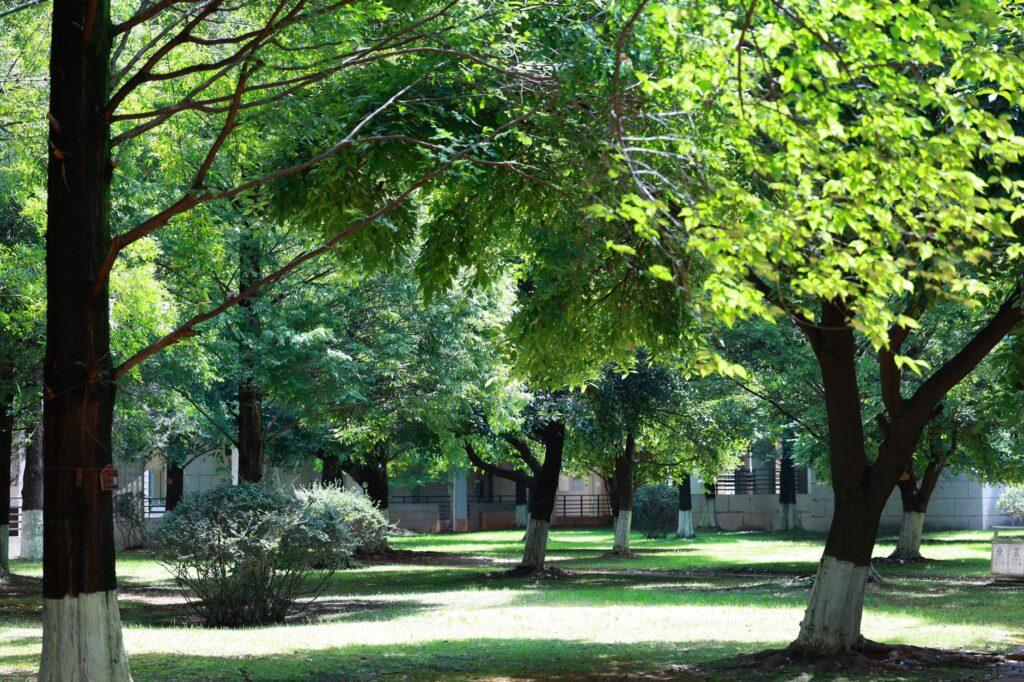
Some trees are simply built for this. They tend to have smaller or waxier leaves that reduce water loss, deep and adaptable root systems, and a natural tolerance for the kind of periodic drought stress a hot pocket inflicts even with regular watering.
- Swamp white oak (Quercus bicolor) — despite the name, it’s remarkably adaptable to both wet spring soils and dry summer heat, and it handles Middletown’s clay well.
- Hackberry (Celtis occidentalis) — a genuinely underused native that shrugs off heat, wind, and poor soil, with none of the brittleness people associate with fast growers.
- Honeylocust (Gleditsia triacanthos var. inermis) — its small leaflets cast dappled rather than dense shade, which reduces the tree’s own heat load and looks good doing it.
- Serviceberry (Amelanchier canadensis) — a smaller native option for tight hot spots near a driveway or walkway, with the bonus of spring flowers and fall color.
- Black gum (Nyssa sylvatica) — slower to establish but exceptionally tolerant once rooted, with some of the best fall color of any native tree in Monmouth County.
The ISA’s right tree, right place guidance is a good sanity check against any species list — it walks through matching mature size, root behavior, and site tolerance before you fall in love with a particular tree at the nursery.
What to Avoid in These Spots — Even If the Nursery Tag Says 'Full Sun'
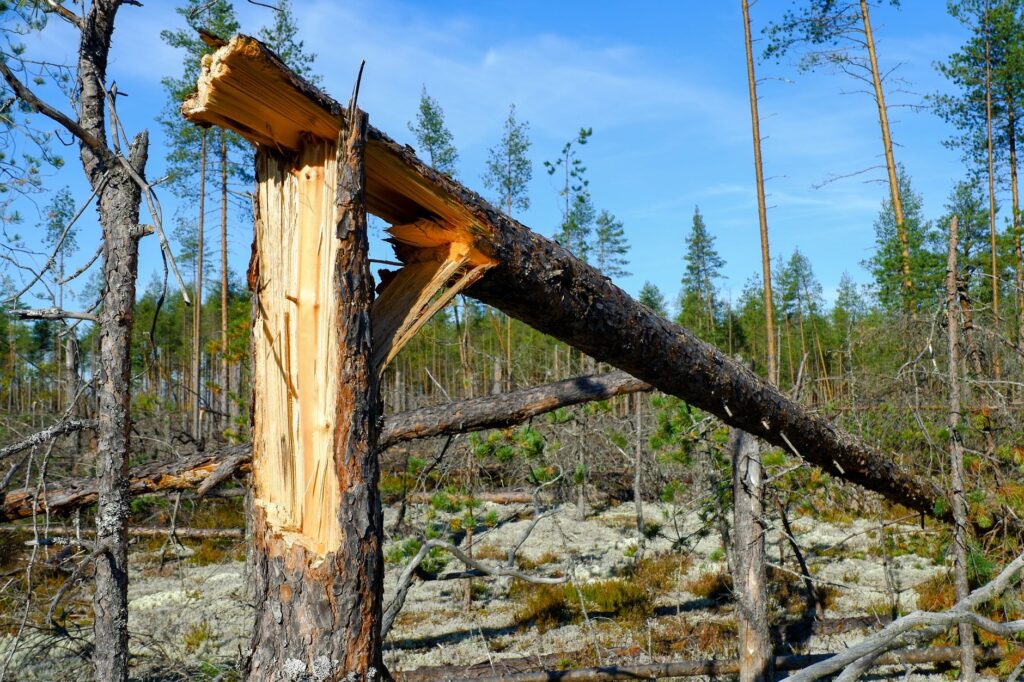
“Full sun tolerant” on a plant tag means the species can handle direct sunlight — it says nothing about reflected heat, restricted rooting, or nighttime radiant heat off a driveway. A lot of popular trees fail in hot pockets specifically because that distinction gets missed.
Thin-barked species like river birch and Japanese maple are especially vulnerable — reflected heat and intense afternoon sun on the south or west side of a trunk can cause sunscald, a vertical bark injury that opens the tree to canker fungi and borers for years afterward. Sugar maple, a species that performs beautifully in cooler, moister, more sheltered spots elsewhere in Middletown, tends to scorch and decline fast in a driveway hot pocket. Dogwood and most azaleas want the opposite of what a hot microclimate offers and will sulk indefinitely if planted there.
If you already have a struggling tree in one of these spots, it’s not automatically a lost cause — sometimes the fix is supplemental shade cloth for the first two summers, a widened mulch ring, or moving it while it’s still young enough to transplant. But if it’s been declining for several seasons, get an arborist’s read on whether it’s worth saving before investing more in it.
Setting a New Tree Up to Survive Its First Hot Summers
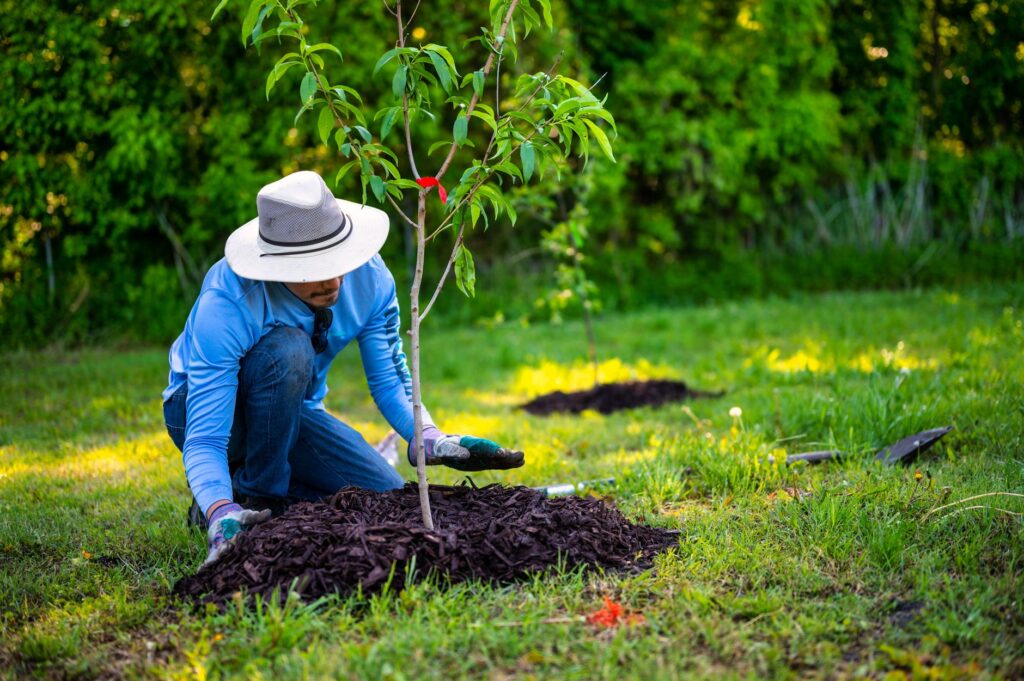
Species selection solves most of the problem, but a few placement and care details matter just as much in a hot pocket.
Give the tree more room than the label suggests. A hot microclimate punishes root competition with pavement even harder than it punishes canopy heat, so err toward the largest reasonable planting hole and widest mulch ring the space allows — 3 inches of mulch, pulled back from the trunk flare, holds soil moisture and moderates root-zone temperature more than almost anything else you can do.
Water deeply and infrequently rather than a quick daily splash — a slow soak that reaches 12 to 18 inches down encourages roots to grow toward stable moisture instead of staying shallow and heat-vulnerable. In a hot pocket, that often means watering twice a week through July and August rather than the once-a-week baseline that works for a shadier bed.
Finally, consider timing. Trees planted in fall have a full cool season to establish roots before they face their first real hot pocket summer, which gives species on the margin — like black gum — a much better shot than a tree planted in the heat of July.
Middletown's #1 Tree Expert Company
FREE Inspection & Estimate | Certified Arborists | Trimming, Pruning, Removal, More!
Sponsored
When It's Worth Calling In an Arborist
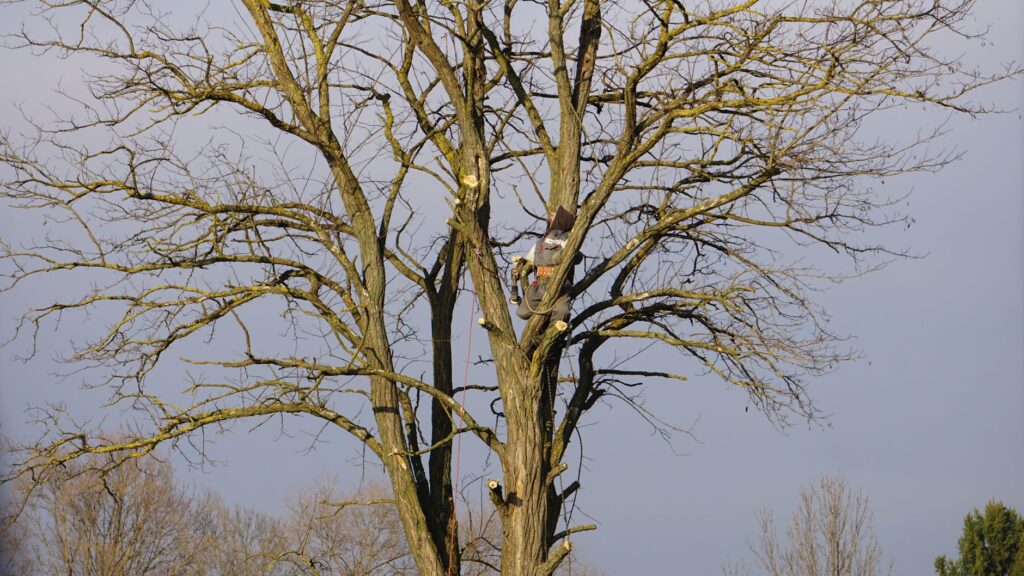
Picking the right species for a hot microclimate is a decision worth getting right the first time — a mature tree that fails after eight years in the wrong spot is a bigger loss, in money and in shade, than the cost of a proper site assessment up front. A certified arborist can evaluate your specific hot pocket, test the soil, and match it against species that will still be standing in twenty years, not just surviving their first two summers.
It’s also worth a call if you’ve got an established tree that’s clearly struggling in one of these spots — thinning canopy, early leaf drop every August, bark that looks stressed on the south-facing side. Sometimes the fix is simple: adjusted watering, a larger mulch ring, or supplemental shading while a neighboring planting matures enough to provide relief. Other times the honest answer is that the tree was never suited to that spot, and replacing it with something built for the heat will save years of frustration.
Either way, a hyper-local read on your Middletown property — its soil, its exposure, its particular blend of pavement and reflected heat — beats a generic planting guide every time. That’s exactly the kind of assessment a certified arborist is trained to give.
Photo credits: Featured image by Maciej on Pexels; Section 1 by Igor Starkov on Pexels; Section 2 by Sebastian Krawczyk on Pexels; Section 3 by Gustavo Fring on Pexels; Section 4 by Andy Lee on Pexels; Section 5 by sergeispas on Pexels; Section 6 by Alfo Medeiros on Pexels; Section 7 by Dmytro Glazunov on Pexels.