Middletown's #1 Tree Expert Company
FREE Inspection & Estimate | Certified Arborists | Trimming, Pruning, Removal, More!
Sponsored
The Tree You Planted for Shade Is Now Cracking Your Foundation
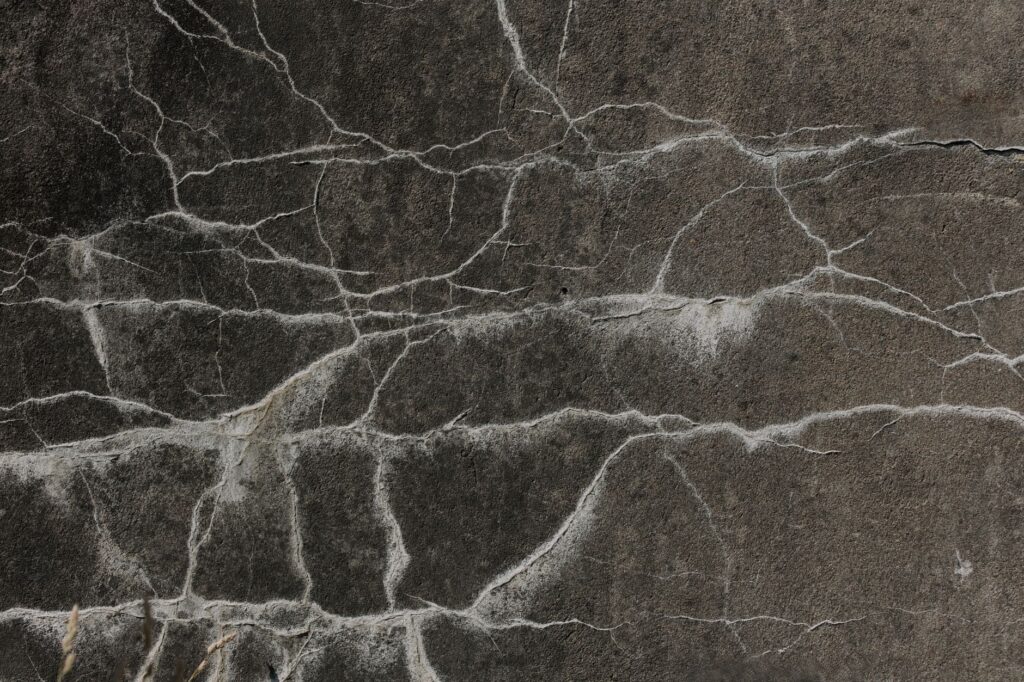
Every summer I get calls from Lincroft and Port Monmouth homeowners standing in their side yard, staring at a hairline crack running up the block foundation, certain the silver maple (Acer saccharinum) their parents planted forty years ago is finally making good on a threat. Sometimes they’re right to worry. More often, the tree gets blamed for a problem it only made slightly worse, and the real cause — Middletown’s clay-loam soil doing what clay-loam soil does — goes undiagnosed.
Trees and foundations have a genuinely complicated relationship in this part of Monmouth County. Our soils shrink and swell with moisture more than sandier soils inland, and a mature tree’s root system changes how much water that soil holds close to the house. Add in decades of homeowners planting fast-growing shade trees a few feet from the foundation because that’s where the shade was needed, and you get a lot of anxious phone calls every July.
This isn’t a scare piece. Most trees near most foundations are perfectly fine. But knowing which situations actually matter — and which trees are safe to plant close to a house in the first place — saves homeowners a lot of needless tree removal, and occasionally catches a real problem before it gets expensive.
How Tree Roots Actually Interact With a Foundation
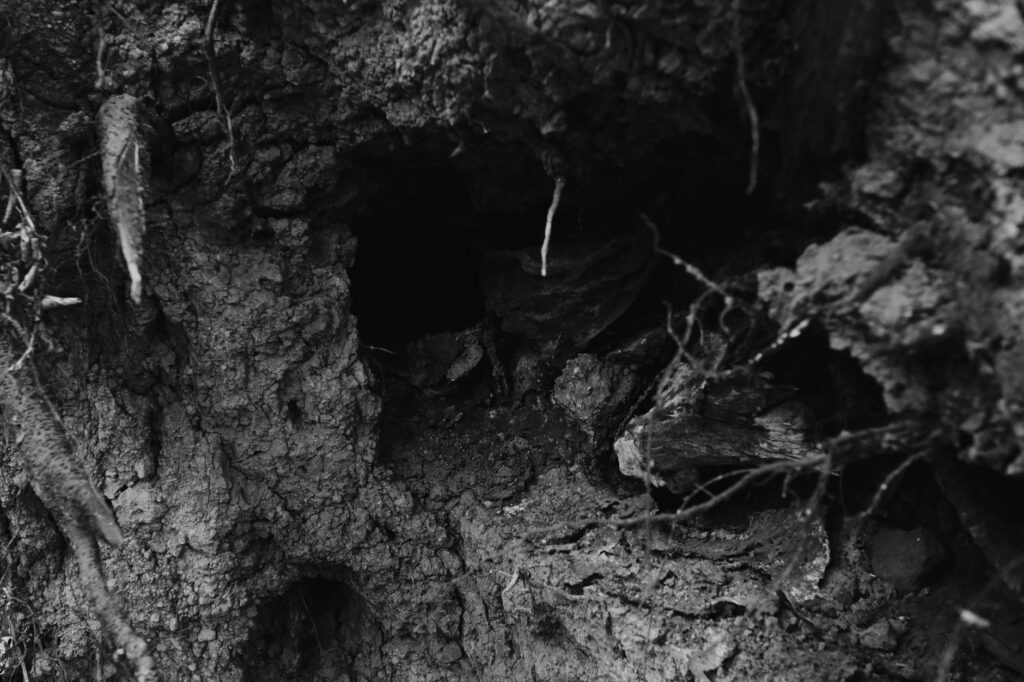
The image most people carry around is a root growing like a battering ram, seeking out a foundation and cracking it on purpose. That’s not how roots work. A root doesn’t sense concrete and target it. It grows along the path of least resistance, following existing cracks, joints, and gaps where oxygen and moisture are already available. A sound, well-poured foundation with no existing defects is remarkably hard for a root to breach.
What roots do reliably do is exploit weakness that’s already there. A foundation crack that starts as a quarter-inch settling gap can widen over years as a nearby root thickens inside it, the same way a root will slowly widen a crack in a sidewalk slab. The tree isn’t the original cause of that crack in most cases — but it can turn a cosmetic problem into a structural one if it’s growing directly against the wall.
The International Society of Arboriculture has good consumer-facing material on this, and the short version matches what I see in the field constantly: it’s almost never the roots invading the foundation that causes real damage. It’s what the tree is doing to the soil moisture around the foundation that matters more.
The Real Culprit: Soil Moisture, Not Root Invasion
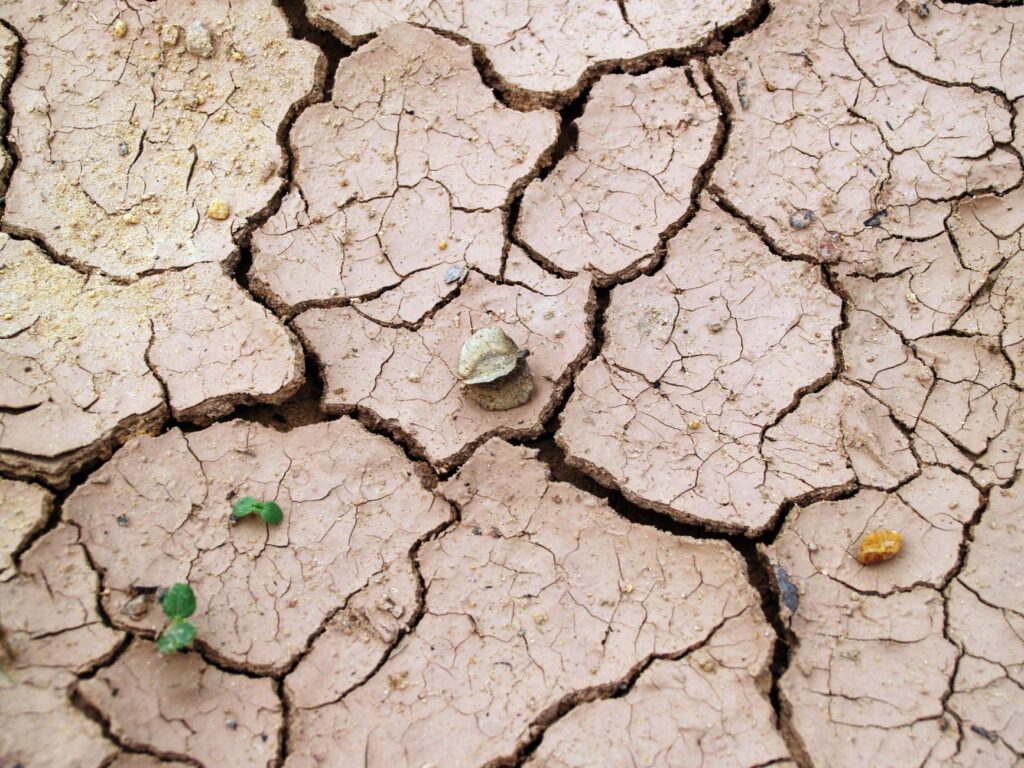
Middletown sits on a mix of clay-loam and sandier coastal soils depending on where you are — heavier clay inland around Lincroft and Kanes, sandier and more free-draining closer to the Bayshore in Port Monmouth and Leonardo. Clay-heavy soil expands when it’s saturated and contracts significantly as it dries out. That expansion and contraction, repeated season after season, is what stresses a shallow foundation over time — with or without a tree nearby.
A large, thirsty tree growing close to the house pulls a lot of water out of the soil in its root zone, especially during a dry stretch like we’ve had this July. That can dry and shrink the soil unevenly on one side of the foundation faster than the rest, which is a real mechanism for differential settling. It’s a moisture-management problem more than a physical-invasion problem, and it’s why the same tree that’s totally fine on wetter, sandier Bayshore soil can be a genuine liability on heavier inland clay.
The Rutgers Cooperative Extension has done extensive work on how Monmouth County’s soil variability affects landscape planning, and it’s worth understanding your own yard’s soil type before deciding a tree is or isn’t safe near your house. A quick shovel test after a dry week — does the soil crumble or hold together in a dense, sticky clump — tells you a lot.
Middletown's #1 Tree Expert Company
FREE Inspection & Estimate | Certified Arborists | Trimming, Pruning, Removal, More!
Sponsored
How Far Is Far Enough? Planting Distances by Mature Size
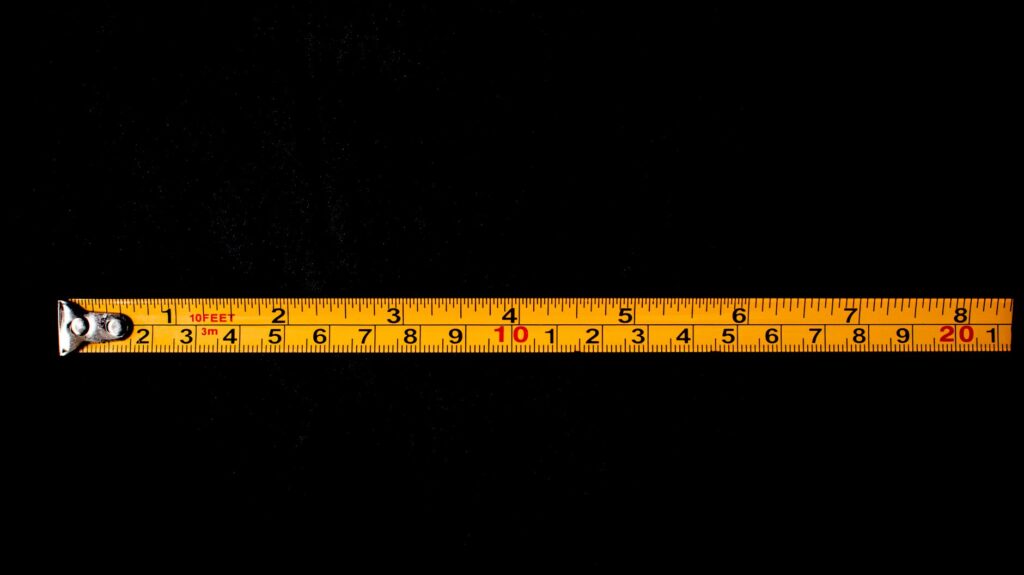
The rule of thumb I give clients scales with how big the tree will get at maturity, not how big it is in the nursery pot. A few practical benchmarks:
- Large shade trees (white oak, red maple, sweetgum, tulip poplar) — plant at least 20 feet from the foundation, ideally closer to 25-30 feet on clay-heavy lots.
- Medium trees (river birch, sweetbay magnolia) — 15 feet is a reasonable minimum.
- Small ornamental trees (serviceberry, redbud, dogwood) — 8-10 feet is generally fine given their modest, less aggressive root spread.
These aren’t arbitrary numbers. They’re roughly matched to a mature tree’s expected root spread, which for most species extends well beyond the canopy’s drip line — often one and a half to two times the canopy width. A 60-foot oak canopy can mean significant root presence 40 feet out in decent soil.
If you’re planning new plantings this fall, it’s worth measuring the actual distance from your foundation before you fall in love with a tree at the nursery. It’s a five-minute check that prevents a decision you’ll be relitigating in fifteen years.
Existing Trees Too Close: What to Watch and When to Worry
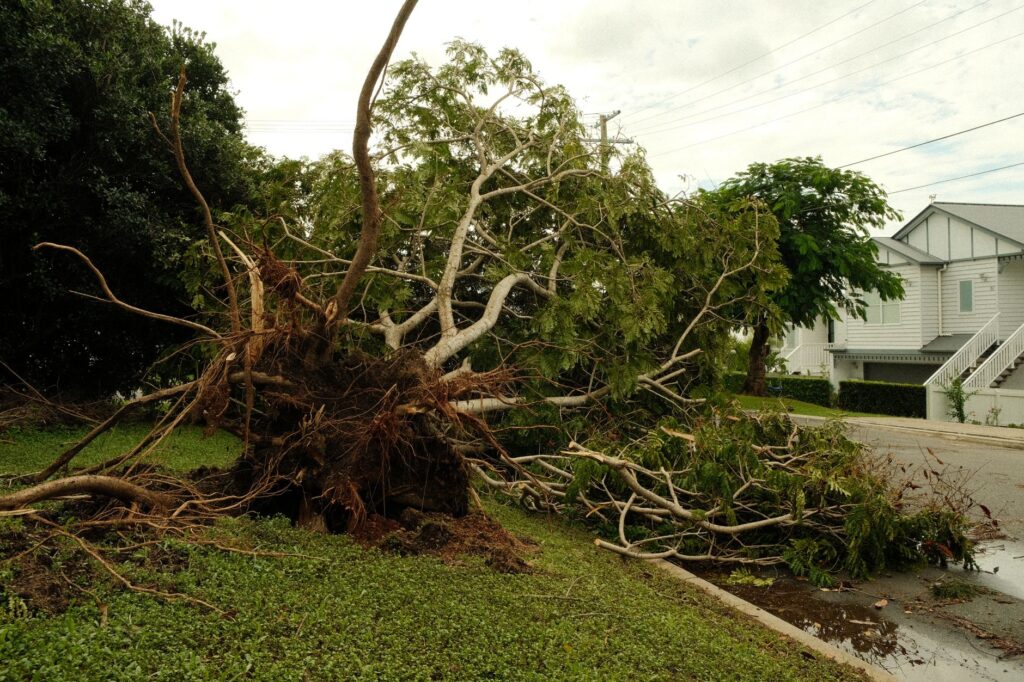
If you’ve already got a mature tree closer to the house than these guidelines suggest, don’t panic and don’t reach for a chainsaw. Most established trees in this situation have already found their equilibrium with the structure and aren’t actively worsening anything. What I actually want homeowners watching for:
- New or widening cracks in the foundation, especially ones that track roughly toward the tree
- Doors or windows that have started sticking where they didn’t before
- Visible surface roots pressing directly against the foundation wall
- A noticeable lean developing in the tree itself, which can signal root plate movement
One or two of these on their own usually aren’t urgent. Several appearing together, or any sudden change after a wet spring followed by a dry summer like this one, is worth a proper look. A certified arborist can assess root proximity and health without guessing, and in cases where structural movement is suspected, pairing that with a structural engineer’s opinion on the foundation itself gives you a much clearer picture than either professional working alone.
Removing a mature, healthy shade tree is rarely the first answer. Root pruning on the house side, improving drainage away from the foundation, or simply monitoring for another season are often enough.
Small-Space and Foundation-Safe Trees for Middletown Yards
If you’re planting near a house this fall, a handful of species handle close quarters well — modest mature size, fibrous non-aggressive root systems, and good performance in our soils:
- Serviceberry (Amelanchier canadensis) — native, spring flowers, tolerates part shade close to a house
- American hornbeam (Carpinus caroliniana) — slow-growing, dense, excellent near foundations and property lines
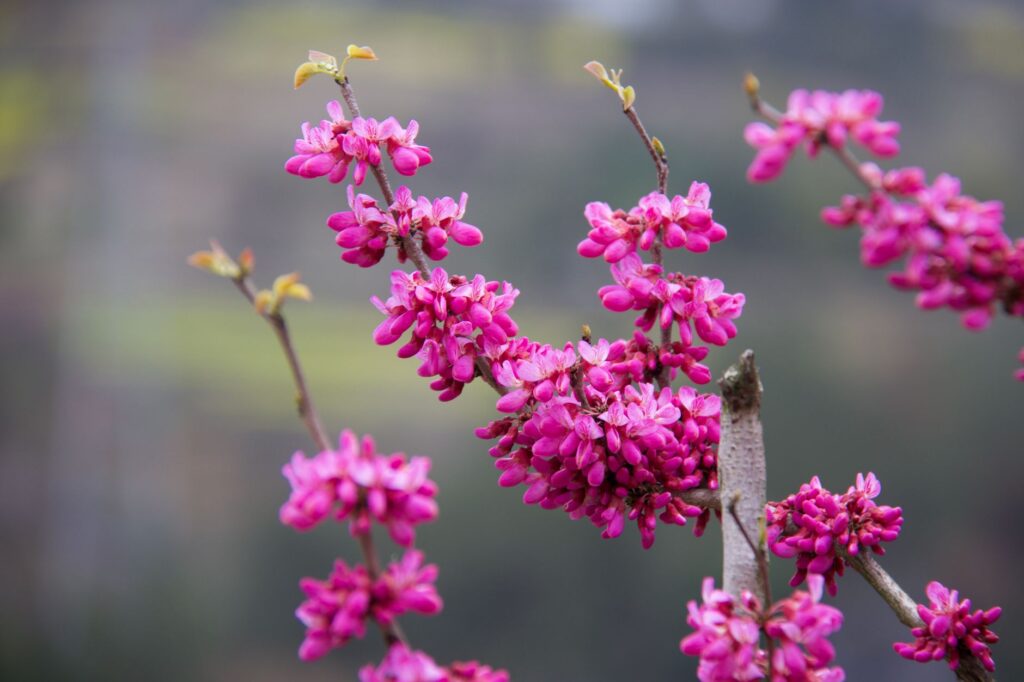
- Eastern redbud (Cercis canadensis) — understory native, shallow but non-aggressive roots, thrives in the dappled light near a home
- Flowering dogwood (Cornus florida) — classic Middletown yard tree, well-behaved root system when sited with reasonable drainage
The NJ Forest Service maintains recommended native species lists for exactly this kind of yard-scale planning, and leaning native generally means better adaptation to our specific soil and rainfall patterns than an imported ornamental bred for a different climate.
Middletown's #1 Tree Expert Company
FREE Inspection & Estimate | Certified Arborists | Trimming, Pruning, Removal, More!
Sponsored
When to Call a Pro
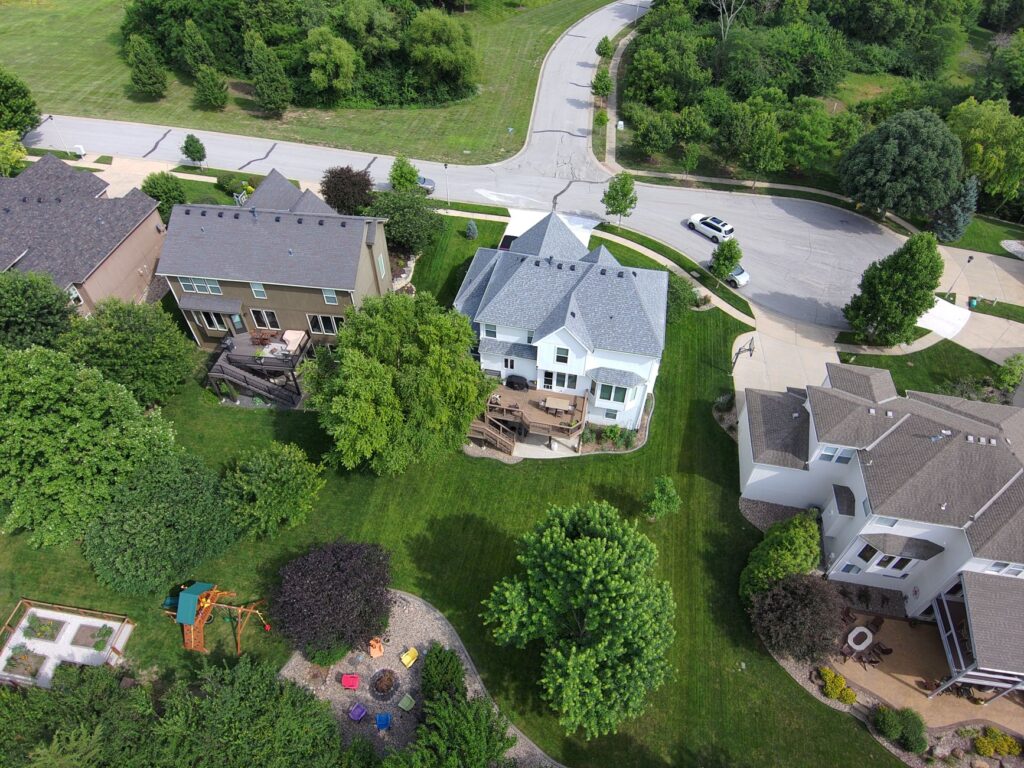
Most of the trees standing close to Middletown foundations right now are doing no harm and don’t need to go anywhere. The exceptions are worth taking seriously: a large, water-hungry species on heavy clay soil, visible new cracking that lines up with root growth, or a tree that’s clearly been leaning more this year than last. Those situations call for an actual assessment, not a guess based on how the tree looks from the driveway.
If you’re planning fall plantings, take fifteen minutes to check your soil type and measure your planting distance before you buy. It’s the cheapest insurance you’ll find for a decision that outlasts most things you’ll do to the house this decade. And if you’ve already got a tree living closer to the foundation than you’d like, a certified arborist can tell you in one visit whether you’ve got a real problem or just an old tree that’s earned its spot in the yard.
Photo credits: Featured image by April Yang on Pexels; Section 1 by cottonbro studio on Pexels; Section 2 by Nothing Ahead on Pexels; Section 3 by icon0 com on Pexels; Section 4 by Nothing Ahead on Pexels; Section 5 by April Yang on Pexels; Section 6 by PCS on Pexels; Section 7 by David McBee on Pexels.