Middletown's #1 Tree Expert Company
FREE Inspection & Estimate | Certified Arborists | Trimming, Pruning, Removal, More!
Sponsored
When Your Trees Start to Look Like They're Getting Sunburned
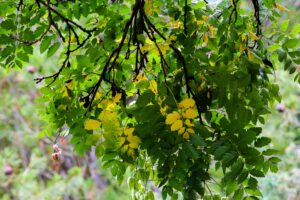
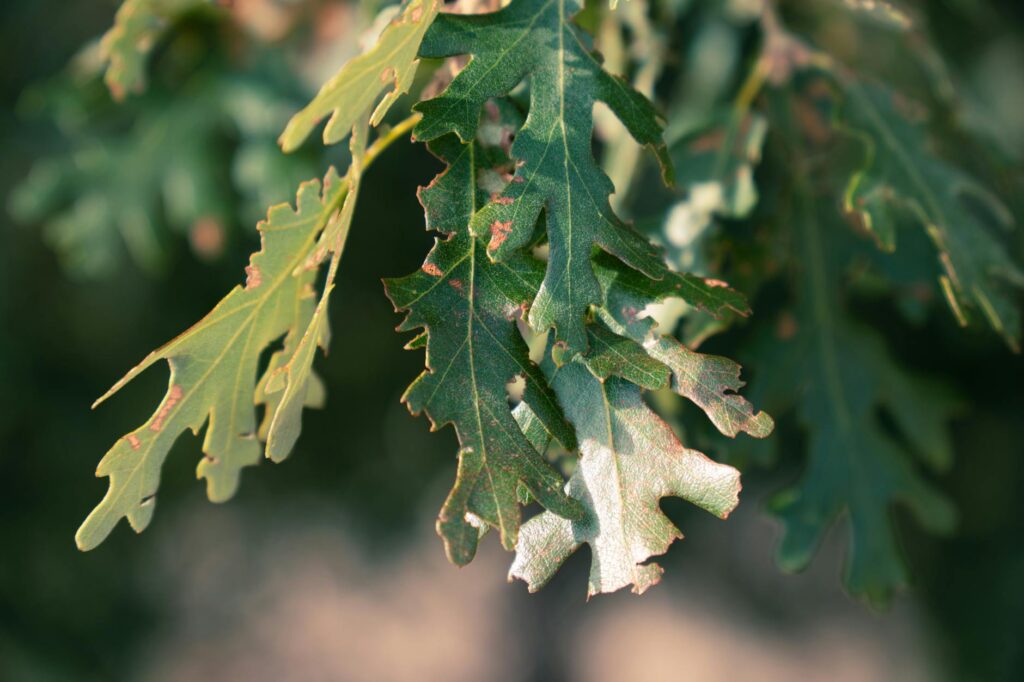
By the second week of June in Middletown Township, the calls start coming in. A homeowner in Lincroft noticed the leaf tips on her red maple (Acer rubrum) turning crispy brown. Another in Port Monmouth watched the edges of his white oak (Quercus alba) go tan and papery, starting at the outer canopy and working inward. They’re not the same tree, not the same yard — but both owners are asking the same question: what’s wrong with my tree?
What they’re most likely seeing is summer leaf scorch — one of the most common and most frequently misdiagnosed conditions in suburban trees along the Raritan Bayshore. It isn’t a disease. It isn’t a pest. It’s a symptom, and understanding what’s behind it tells you a great deal about whether your tree needs a management change, a watering adjustment, or a call to a certified arborist.
June is the month when scorch first becomes visible in most of Monmouth County’s landscape trees. The canopy is fully leafed out, the root systems — especially on recently planted trees — haven’t kept pace with canopy demand, and the first stretches of heat and dry wind arrive. This guide walks you through what’s happening inside the leaf, how to tell scorch apart from disease, what makes Middletown’s soils and climate a particularly good setup for it, and what you can do about it right now.
What Leaf Scorch Actually Is — The Biology Behind the Burn
To understand leaf scorch, you need to think about how a leaf manages water on a hot day. On a sunny, breezy afternoon in June, a mature shade tree can transpire — push water vapor out through the tiny pores called stomata on its leaf surfaces — hundreds of gallons of water. That moisture has to travel from the soil, up through the root system, through the trunk, out through every scaffold branch, and all the way to the leaf margins and tips.
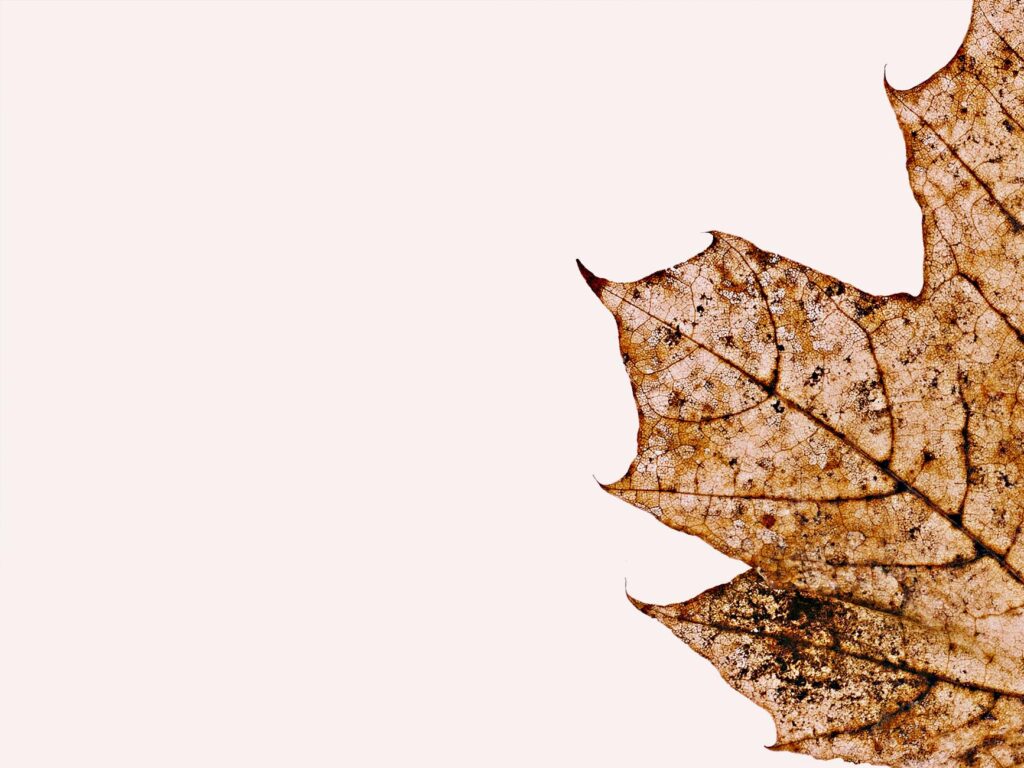
The margins and tips of a leaf are the last stops on that plumbing route. When transpiration outpaces the tree’s ability to deliver water — whether because the soil is dry, the roots are restricted, or the air simply pulls moisture from leaves faster than roots can replace it — those outermost tissues are the first to desiccate. The cells die. The result is what you see: dry, brown, papery leaf edges.
The visual signature of leaf scorch is fairly consistent: browning follows the leaf edge evenly in a band or as crisped tips. The dead tissue is crisp and dry, not mushy. The discoloration typically stops near the leaf veins — the green vascular tissue holds on longest. Affected leaves are usually distributed fairly evenly across the canopy rather than clustered in one section. The tree is still mostly green; it just looks singed around the edges.
This is meaningfully different from what disease or pest damage produces — more on that ahead — but the essential point is that leaf scorch itself is not an infection. It is a physiological stress response, and the fix is not a fungicide.
The Four Main Causes of Scorch in Middletown Trees
Scorch in Monmouth County landscape trees usually traces back to one of four causes — sometimes in combination.
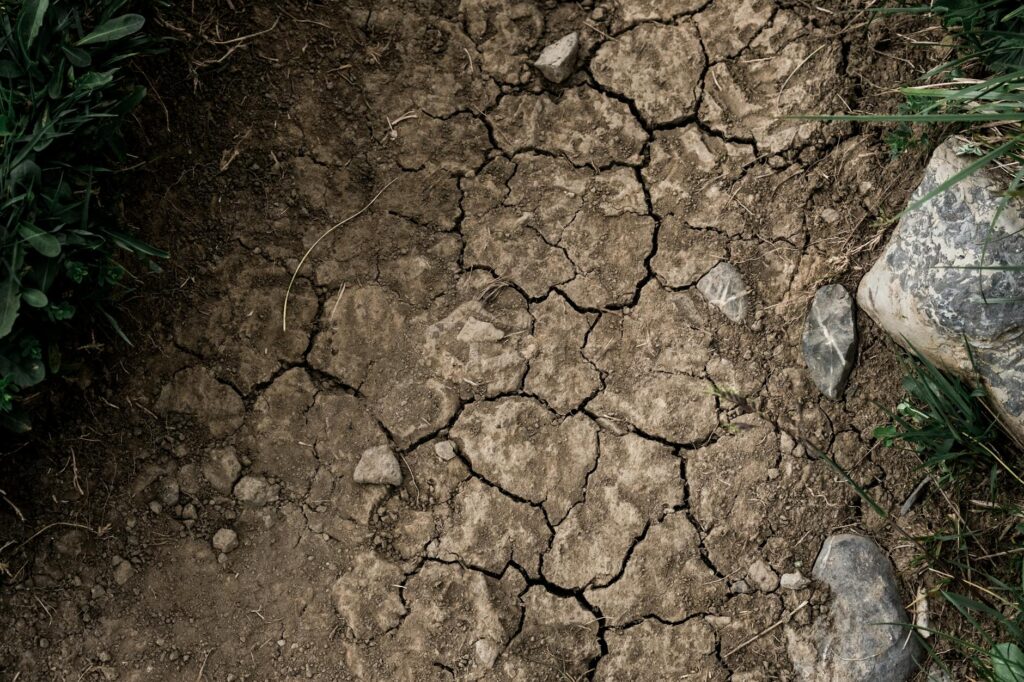
Soil moisture deficit. The simplest cause. When rain is scarce and temperatures climb, trees run short on water. Street trees with limited root zone cutouts and young trees planted in the last two or three years are especially vulnerable. Rutgers Cooperative Extension guidance for landscape trees calls for the equivalent of one inch of water per week during the summer growing season. When that number goes unmet for two consecutive weeks — which happens regularly in Middletown’s typical July and August pattern — scorch follows.
Root damage and restriction. A tree can scorch even in a wet summer if its root system can’t harvest available moisture. Compacted clay soil, roots severed by utility work, girdling roots that constrict the base of the trunk — all of these limit the functional root area that feeds the canopy. A tree with a compromised root zone may show classic drought-scorch symptoms in a year that felt plenty wet to everyone else.
Salt accumulation. Road salt applied over winter lingers in Bayshore-area soils through spring and into summer. It creates osmotic stress at the root surface — essentially drawing water out of root cells rather than in — and trees along the Route 36 corridor through Port Monmouth and Belford see scorch from this pattern every summer. Over-application of fertilizer near the root collar produces a similar osmotic burn.
Wind desiccation. For Middletown properties near Raritan Bay — Atlantic Highlands, Leonardo, the Bayshore waterfront — the persistent southwest winds of June and July pull moisture from leaf surfaces faster than roots can replace it. Trees on exposed slopes near Hartshorne Woods Park are particularly susceptible on hot, breezy days when the air itself is dry.
Middletown's #1 Tree Expert Company
FREE Inspection & Estimate | Certified Arborists | Trimming, Pruning, Removal, More!
Sponsored
Scorch vs. Disease — What You're Actually Looking At
The most common mistake I see is a homeowner assuming their scorched tree has a fungal disease and requesting a spray treatment that won’t help at all. Knowing the visual difference can save you money and help you make the right call.
Leaf scorch produces even, dry, tan-to-brown margins. The tissue is crisp and papery. The pattern affects leaves proportionally across the canopy, and there are no distinct spots, lesions, dark borders, raised bumps, powdery coatings, or premature defoliation. The browning follows the path of water movement through the leaf — from the vascular center outward to the margins.
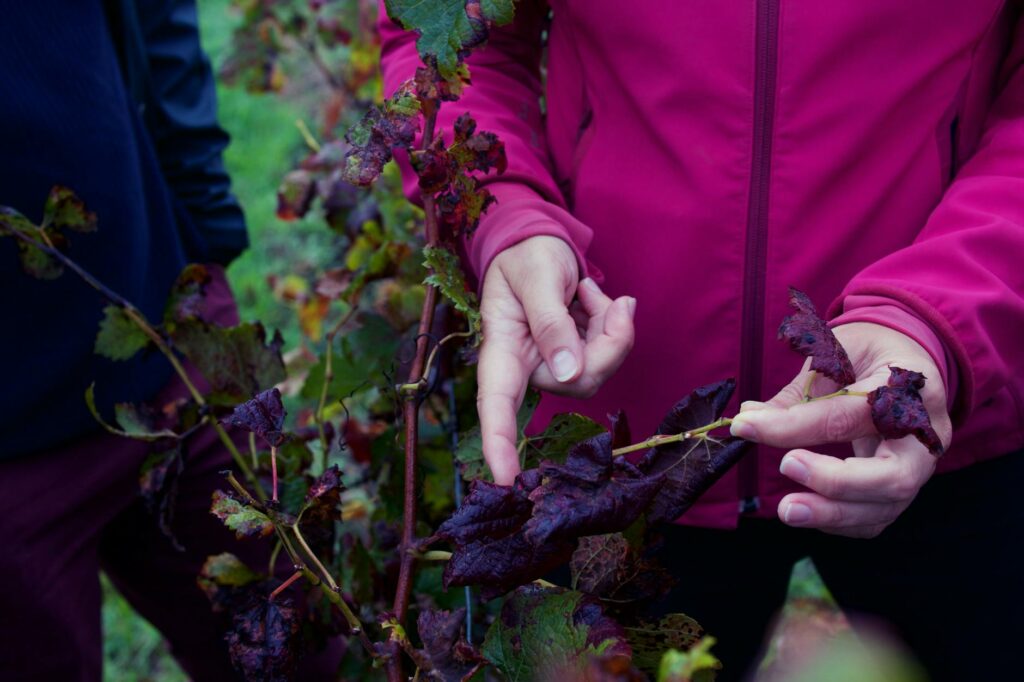
Fungal diseases look different. Apiognomonia errabunda, which causes sycamore and oak anthracnose, produces irregular brown patches that follow the veins, often with a darker border. Leaf spots from Cercospora or Entomosporium show up as small, discrete spots with defined margins and frequently a yellowing halo. Powdery mildew leaves a white coating, not brown tissue. Bacterial leaf scorch — an actual vascular disease caused by Xylella fastidiosa and spread by certain leafhoppers — resembles abiotic scorch closely but tends to advance from older leaves first and earlier in the season, often with a yellow transition zone between the brown edge and the healthy green.
The International Society of Arboriculture provides tree owner diagnostic resources that can help you work through what you’re seeing. A good field test: examine multiple leaves in different parts of the canopy. Abiotic scorch is fairly symmetric and canopy-wide. Disease tends to be more clustered, more irregular in pattern, or show distinct lesion characteristics up close.
Mite and lacebug feeding can also produce a bleached, bronzed look on leaves that resembles scorch at a distance. Up close, though, you’ll see stippling — tiny white or yellow dots across the leaf surface — rather than a clean brown margin. The distinction matters because mites and lacebugs do warrant a treatment response.
Why Middletown's Soils and Climate Set Trees Up for Scorch
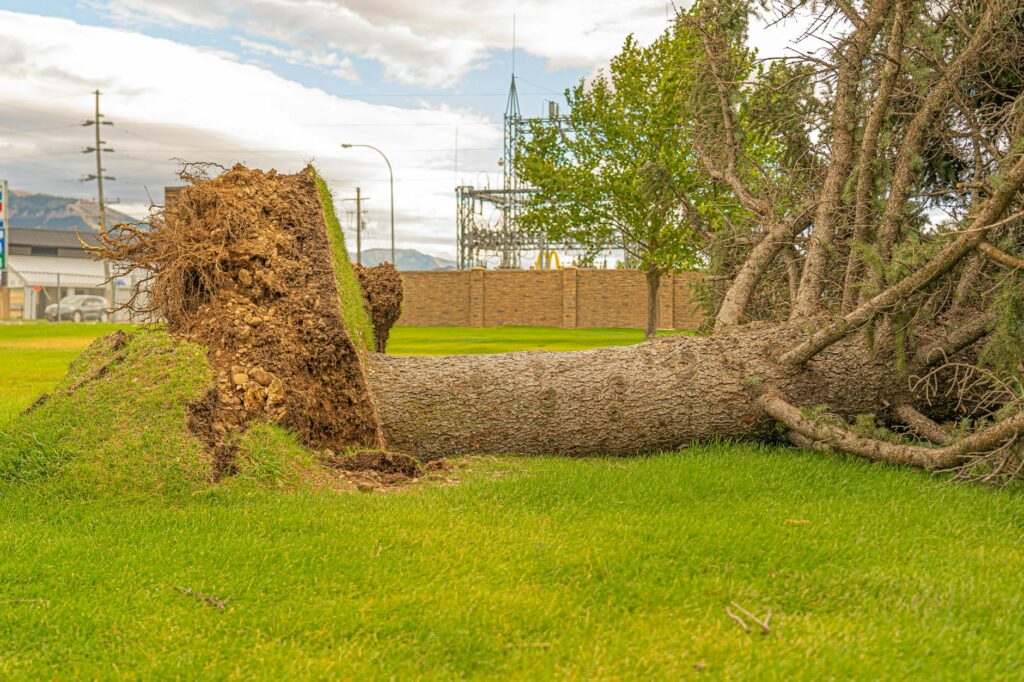
Middletown Township sits on some of the most variable soils in Monmouth County, and the variation matters for how trees handle summer heat.
The higher ground near Lincroft and the Middletown proper neighborhoods features Freehold sandy loam — well-drained, moderate organic matter, decent water-holding capacity, but prone to drought stress by late July when rainfall is inconsistent. Drop down toward the Bayshore and you encounter heavier Collington soils with more clay component. These hold moisture longer in spring but compact badly under foot traffic, equipment, and foot-worn lawn use, which destroys the pore space that roots depend on for both water and oxygen.
The USDA Forest Service’s urban forestry research consistently identifies soil compaction as the leading structural cause of urban tree decline in the northeastern United States. Walk through any older Middletown subdivision and you’ll find trees whose lawns run right to the base of the trunk, where dumpsters sat during a bathroom renovation three years ago, where the contractor’s pickup parks during summer projects. Every pass compacts the soil a little more, shuts down root function a little more, and sets the tree up for summer scorch even in a normal rainfall year.
Add the residual road salt from coastal roads, summer heat that now regularly reaches the low 90s by early June, and the pattern of brief intense rain followed by extended dry stretches that Monmouth County has seen increasingly — and you have a recipe for widespread scorch in established landscape trees, not just young plantings. The trees aren’t sick. They’re working harder than they should have to.
What You Can Do About Scorch Right Now
If you catch scorch early and the cause is primarily water stress or a soil management issue, there’s a lot a homeowner can do.
Water deeply, not frequently. Overhead sprinklers that wet the lawn surface daily do almost nothing for tree roots, which extend well beyond the drip line and need water to penetrate 12 to 18 inches into the soil. A slow, deep soak at the drip line — the outer edge of the canopy — every 7 to 10 days is far more valuable than daily shallow watering. A soaker hose laid in a wide circle at the drip line and run for two to three hours delivers what the tree actually needs.
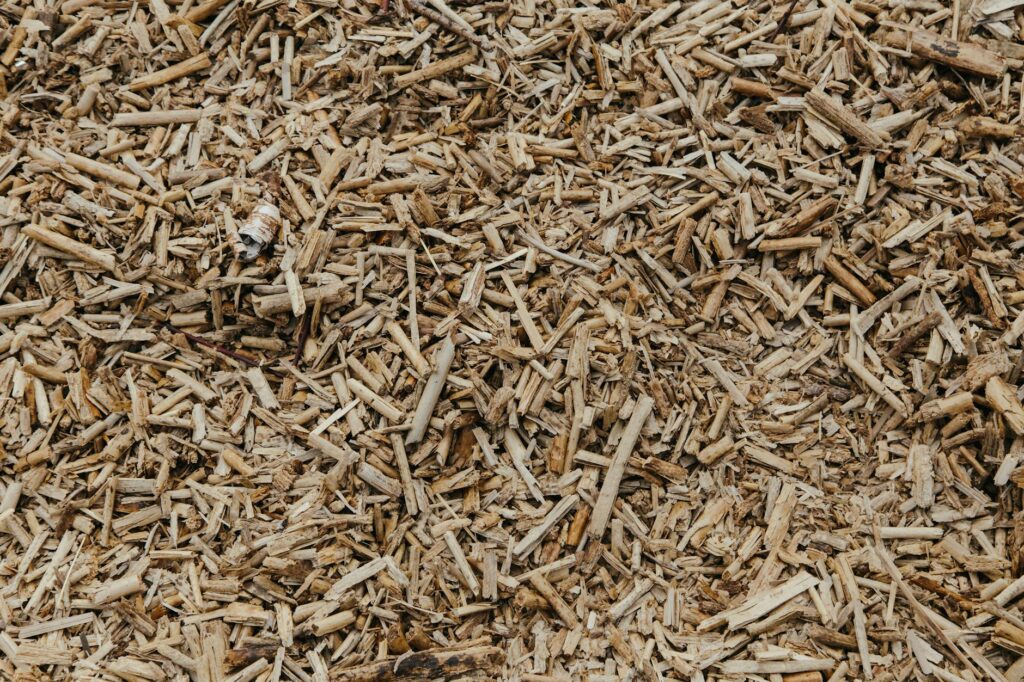
Mulch the root zone correctly. A 3- to 4-inch layer of wood chip mulch applied from about 6 inches away from the trunk out to the drip line dramatically reduces soil temperature and moisture loss during heat waves. Mulch keeps the soil 10 to 15 degrees Fahrenheit cooler in the root zone on a hot day — that alone can mean the difference between manageable stress and visible scorch. Keep the mulch pulled back from the bark; mounding it against the trunk creates decay conditions and insect habitat.
Don’t fertilize a scorched tree. Fertilizer applied to a heat-stressed tree in June pushes new foliar growth that the root system can’t support and increases transpiration demand. Hold any fertilization until early fall or the following spring. Similarly, avoid applying herbicides under the canopy of a stressed tree — many turf herbicides are taken up by tree roots and can compound the stress.
- Water 1 inch per week equivalent, applied slowly at the drip line
- Mulch 3–4 inches deep, pulled back from the trunk flare
- No fertilizer, herbicide, or pesticide applications on stressed trees until fall
- Hold all but emergency pruning until September
Scorched leaves won’t recover this season — the dead tissue is dead. But protecting the root zone now means a healthy canopy flush next spring, and it protects a tree that is fundamentally sound.
Middletown's #1 Tree Expert Company
FREE Inspection & Estimate | Certified Arborists | Trimming, Pruning, Removal, More!
Sponsored
Summary: When Scorch Is a Management Fix and When to Call a Pro
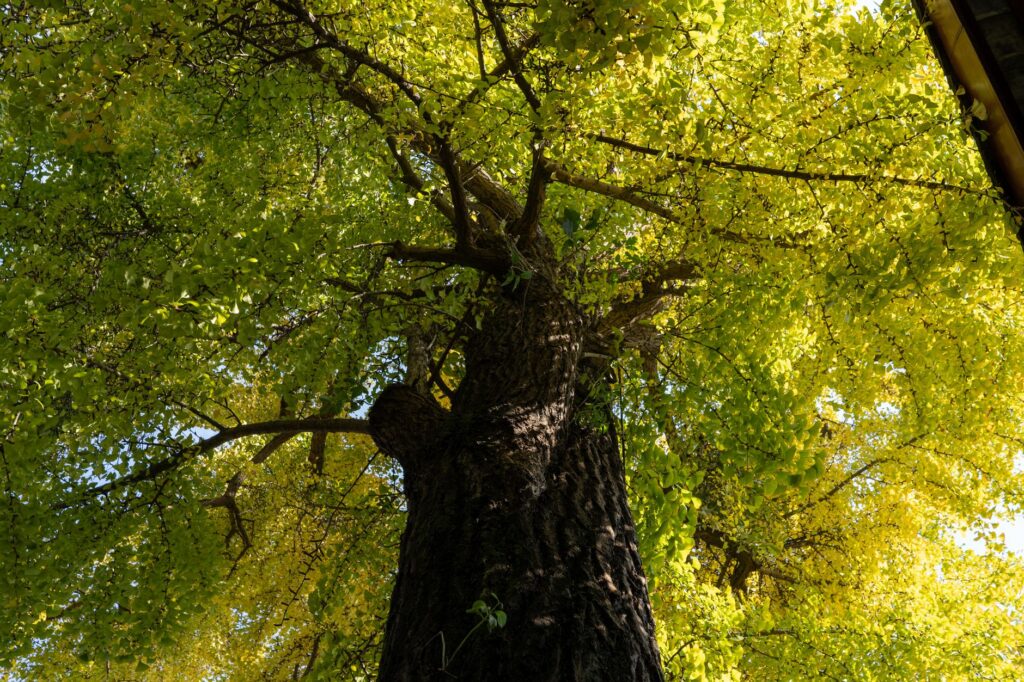
Mild summer leaf scorch — brown margins on outer leaves, uniform across the canopy, on a tree that has been established for years and is otherwise structurally sound — is typically a management problem. Better watering, better mulching, and removing compaction sources from the root zone will often see the tree back to full canopy density by the following spring. No spray. No injections. Just water and organic matter.
But scorch is sometimes a symptom of something a hose can’t fix. If the browning is concentrated in one scaffold or one side of the crown, that asymmetry points to a root problem — a girdling root, a severed lateral root from construction, a localized soil condition that’s cutting off water to part of the tree. If branches are dying back from the tips — actual twig and branch death, not just leaf margin browning — that’s a more serious signal. If the pattern is progressing earlier each year or worsening despite adequate irrigation, a certified arborist can evaluate the root zone, probe for vascular disease, and determine whether there’s a structural problem underground that no irrigation schedule will resolve.
Trees communicate through their leaves. A light case of scorch in June is a message worth hearing — the tree is managing, but it’s telling you it could use help. A severe, asymmetric, or worsening case is a more urgent message. A certified arborist who knows Middletown’s soils and the specific demands of the Bayshore climate can tell you which one you’re dealing with — and whether what your tree needs is a soaker hose or a professional root zone evaluation before the problem compounds.
Photo credits: Featured image by Cafer SEVİNÇ on Pexels; Section 1 by Boys in Bristol Photography on Pexels; Section 2 by Em Hopper on Pexels; Section 3 by Henrik Pfitzenmaier on Pexels; Section 4 by Liv Kao on Pexels; Section 5 by Castorly Stock on Pexels; Section 6 by Ron Lach on Pexels; Section 7 by Peter Xie on Pexels.