
Middletown's #1 Tree Expert Company
FREE Inspection & Estimate | Certified Arborists | Trimming, Pruning, Removal, More!
Sponsored
The Tree That Looked Fine — Until It Didn't
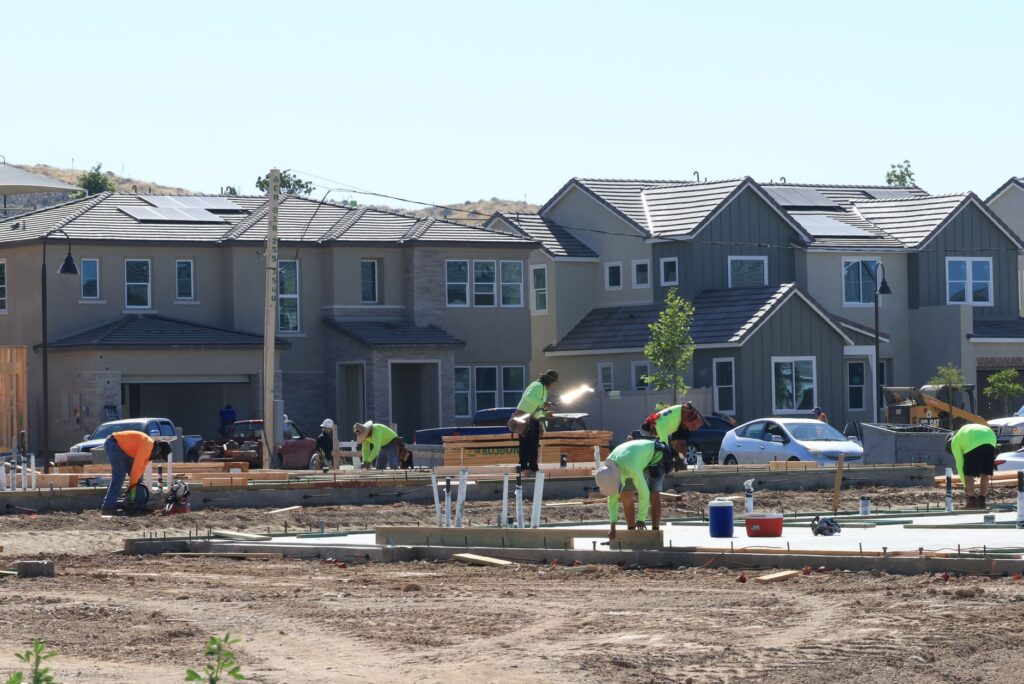
Every summer I get calls that follow the same script. A homeowner built an addition two or three years ago. The crew worked a respectable distance from the big red maple out back, at least it looked that way. Nobody cut the trunk. The tree leafed out fine the following spring, and the spring after that. Then this spring, the canopy came in thin on one side. By August, half the tree is brown and dropping leaves six weeks early.
This pattern is so predictable that when a client describes it, I can usually tell them before I even step out of the truck: construction root damage, delayed symptom onset. The frustrating part is that by the time homeowners see the decline, the damage happened years ago. The tree has been fighting a losing battle in silence ever since the foundation was poured.
Middletown Township is one of the most active construction corridors in Monmouth County. New additions, sunrooms, pool installations, fence lines, driveway expansions, utility trenches — the work never really stops. Understanding how construction injures trees, and what you can do before and after, is some of the most practical tree knowledge a Middletown homeowner can have.
The Root Zone Is Much Larger Than You Think
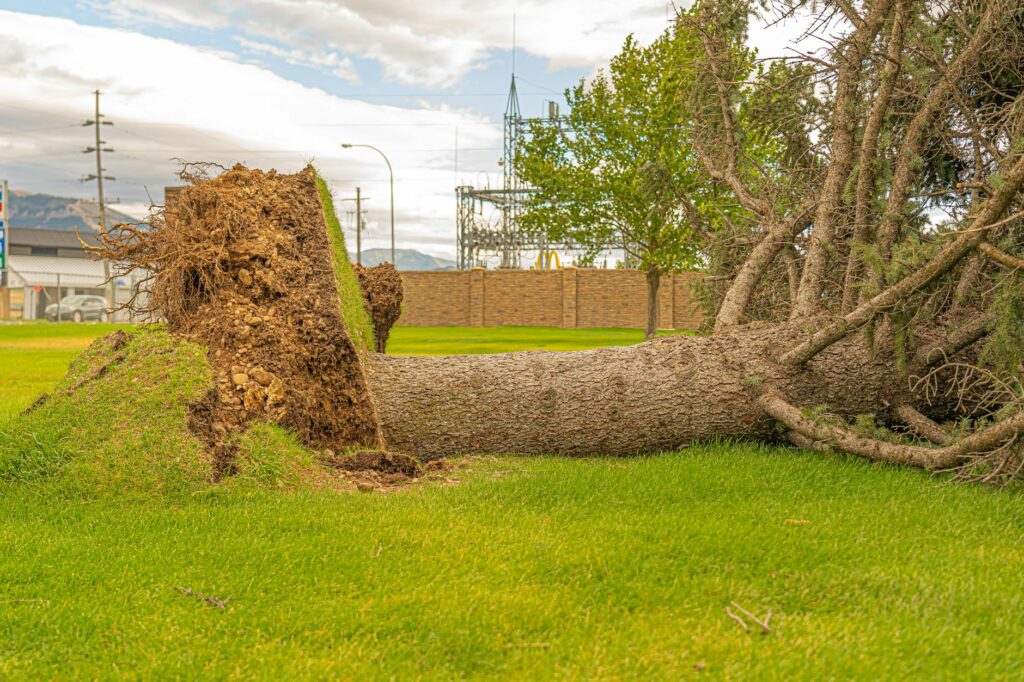
Here is the fact that surprises almost every homeowner I work with: a mature tree’s roots typically extend outward two to three times the radius of the canopy, sometimes farther. For a red maple with a 40-foot crown spread, that means the functional root zone covers an area roughly 60 to 120 feet in every direction from the trunk. Most of those roots grow in the top 12 to 18 inches of soil — not in some deep, protected layer where construction can’t reach them.
The USDA Forest Service’s research on urban tree root systems confirms what arborists observe every day in the field: the vast majority of feeder roots — the fine roots that actually absorb water and nutrients — are shallow and wide-ranging. These are the roots that a trench for a new drainage line, a footer excavation, or even an aggressive regrading job will slice right through.
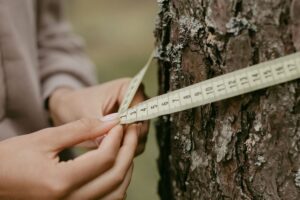
In Middletown’s typical clay-loam soils, those feeder roots are particularly concentrated near the surface because the heavy subsoil limits deep penetration. A tree growing in the sandy-loam soils near the Bayshore or in the vicinity of Cheesequake State Park may root somewhat deeper, but the horizontal spread is still enormous. The critical root zone — the area where root damage has the most impact on tree health — is generally calculated as one foot of radius for every inch of trunk diameter. For a 20-inch diameter white oak (Quercus alba), that’s a 20-foot protected radius in every direction.
Four Ways Construction Injures Roots — and the Tree Never Tells You
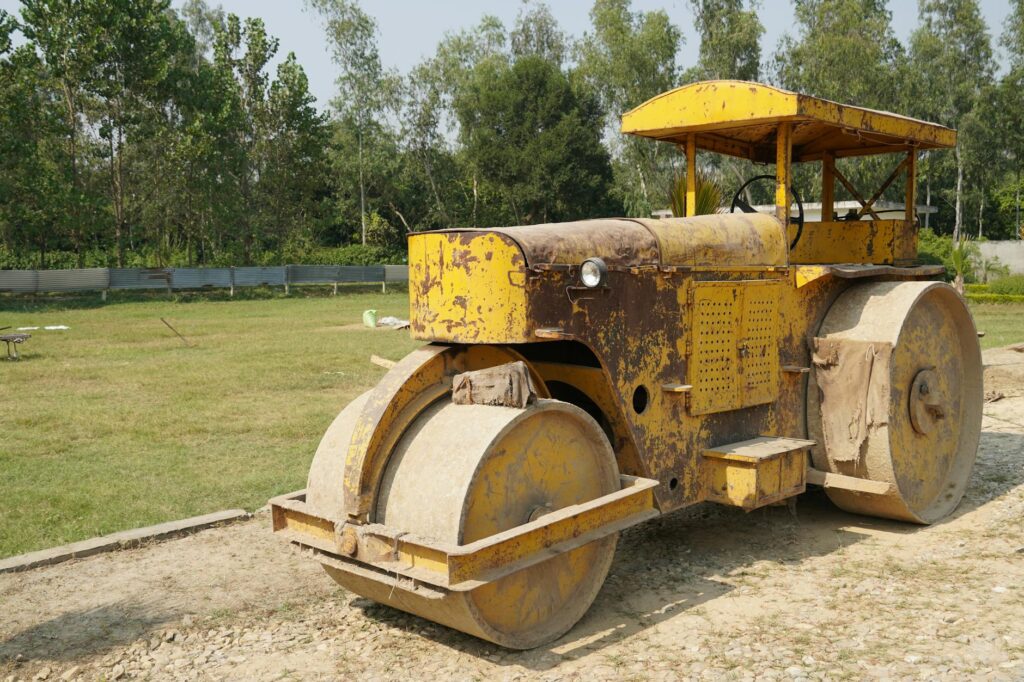
Construction doesn’t have to bulldoze through the trunk to cause serious harm. The four most common damage mechanisms are root cutting, soil compaction, grade changes, and physical trunk wounding — and all four can occur even when the crew stays well away from the visible tree.
Root cutting is the most direct injury. Excavation for footers, utility trenches, pool shells, and French drains slices through roots cleanly. A root cut within the critical zone removes a significant portion of the tree’s water and nutrient uptake capacity. The International Society of Arboriculture notes that root loss of 20 to 30 percent of the root zone area causes measurable stress; losses above 50 percent are often fatal over a two-to-five-year period.
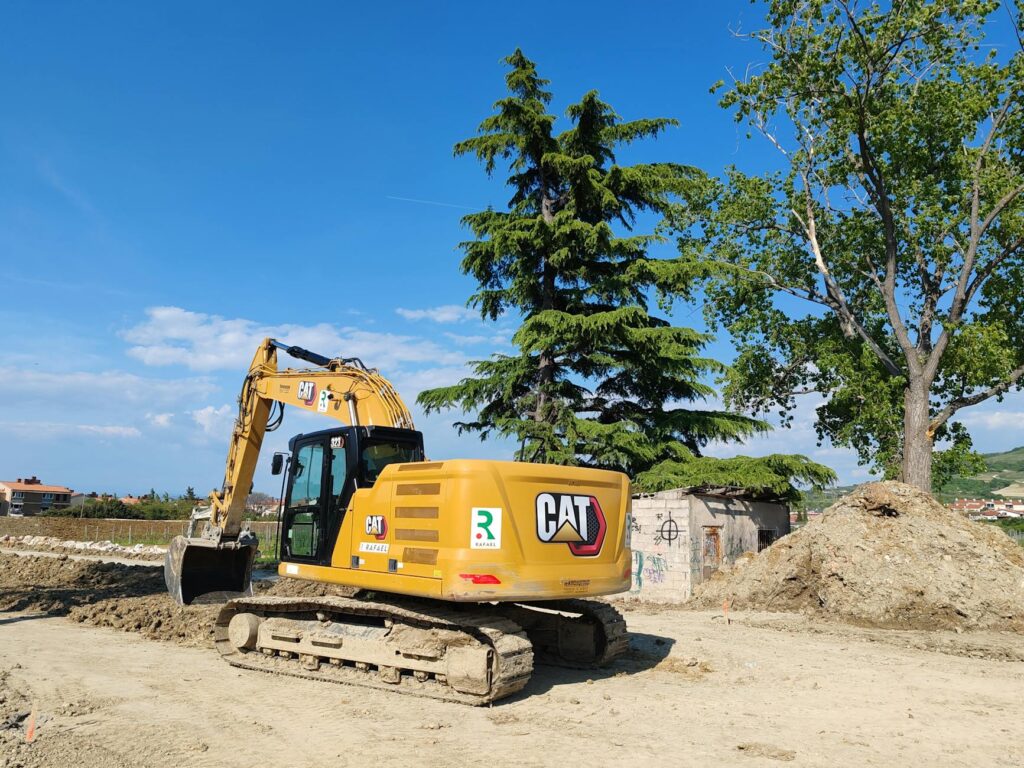
Soil compaction is the silent killer. Heavy equipment — excavators, dump trucks, concrete mixers, scaffolding loads — crushes the air pores in soil that roots depend on for oxygen and drainage. Compacted soil under a tree is like putting the tree in a concrete pot. Even if every root survives structurally, they starve for oxygen and the tree slowly suffocates over years. The damage is invisible from the surface.
Grade changes — raising or lowering the soil level around a tree — disrupt the oxygen exchange at the root zone. Adding even six inches of soil over the root zone can reduce oxygen to levels that kill fine roots. Cutting grade down to install a patio or driveway severs roots and exposes others to drying. Either direction is damaging. Rutgers Cooperative Extension’s guidelines on tree protection during construction specifically address grade changes as one of the top causes of post-construction tree decline in suburban NJ landscapes.
Trunk and bark wounding — from equipment scraping the bark or tearing surface roots at the trunk flare — introduces entry points for pathogens and breaks the vascular connections between roots and crown. Even small wounds at the base can become infected with Phytophthora or wood-decay fungi that work their way inward over years.
Middletown's #1 Tree Expert Company
FREE Inspection & Estimate | Certified Arborists | Trimming, Pruning, Removal, More!
Sponsored
Why Trees Die Slowly — The Decline Spiral
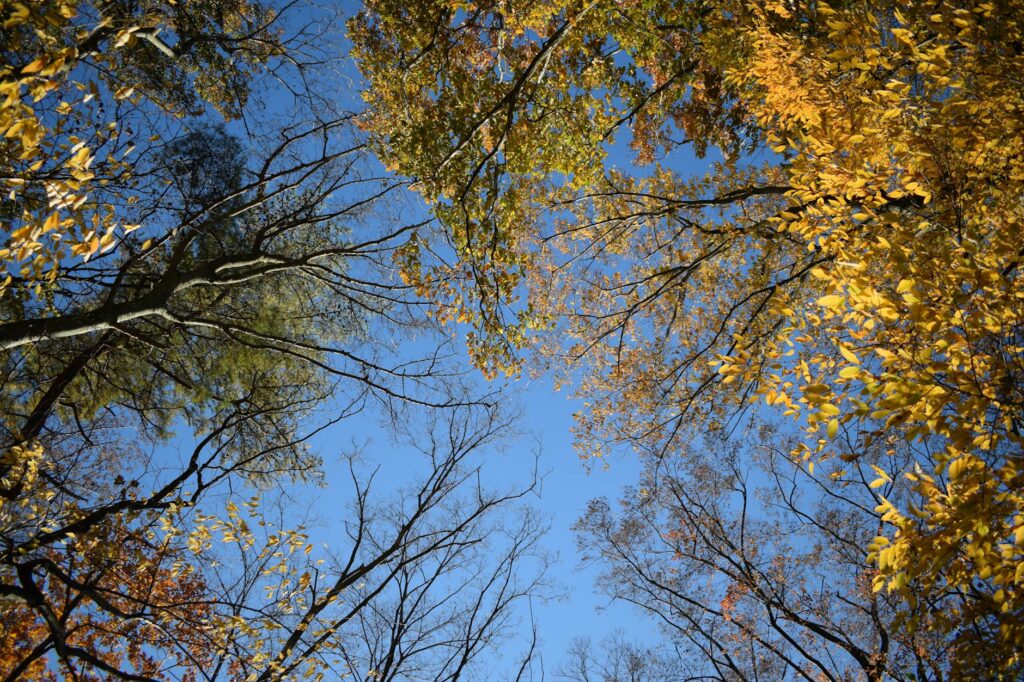
If a root system is severely injured, why doesn’t the tree die immediately? The answer lies in how trees store and manage resources. A healthy mature tree has enormous reserves — carbohydrates stored in the wood, the root system, and the bark. After construction damage, the tree draws down those reserves to sustain itself, growing normally on the surface while quietly starving below.
Trees also have a remarkable wound-response system called compartmentalization — the same process that lets a tree wall off a pruning cut. When a root is severed, the tree seals off that section and redirects resources elsewhere. This buys time, but it doesn’t solve the underlying deficit. Each drought year, each harsh winter, each pest pressure accelerates the decline a little further. The tree is resilient but it’s working from an ever-shrinking account.
By the time you see symptoms — thinning canopy, early leaf drop, dieback starting at the branch tips, wilted leaves during heat waves that used to never bother the tree — the root system has already been compromised for one to five years. What you’re watching is the endgame of a slow process that began the day the excavator rolled in.
I’ve seen white oaks in Middletown’s older neighborhoods survive construction damage for six or seven years before finally collapsing. The homeowners are often stunned. To them, the tree looked fine until last season. But a tree health assessment two years post-construction would have shown the stress signals clearly — twig dieback, reduced annual growth rings, early leaf color change in August.
Protecting Your Trees Before Construction Starts
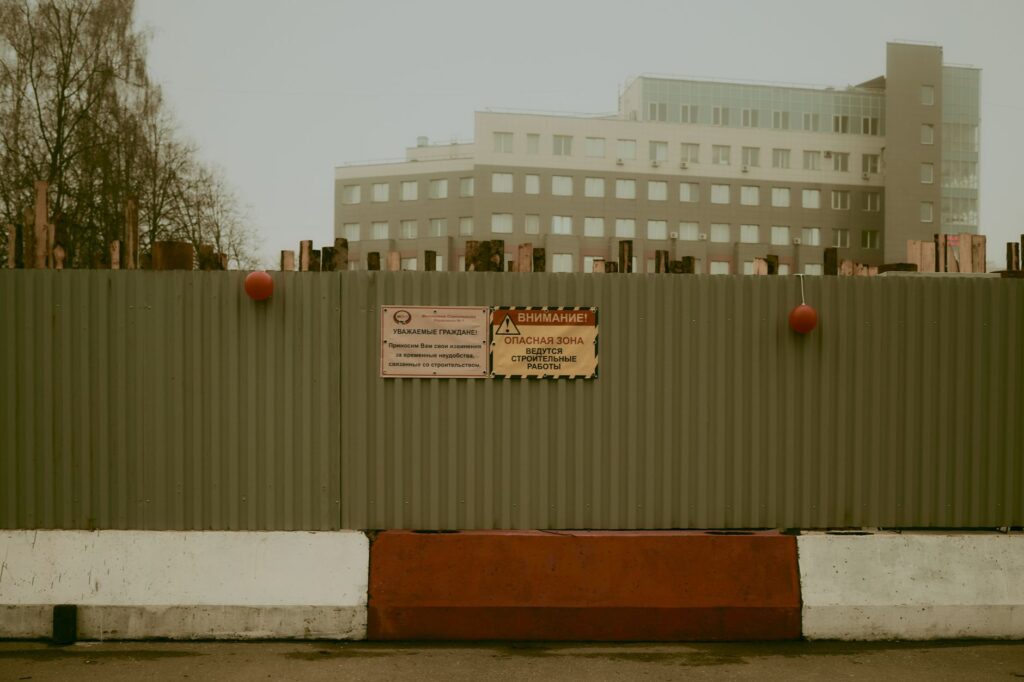
If you have construction planned — anything from a small addition to a full pool installation — the best investment you can make for your trees is protective fencing installed before a single piece of equipment arrives on site. The standard is to fence off the entire critical root zone (one foot per inch of trunk diameter) with orange construction fencing on posts driven into the ground, not just staked loosely. The fence must be a hard barrier, not a suggestion. No equipment, no material storage, no foot traffic within it.
Talk to your contractor before signing a contract. Ask specifically: How close will machinery come to my trees? Can trenches be re-routed or tunneled rather than cut? Can materials be staged away from the root zones? Many contractors are willing to work around trees when they’re told clearly before the job begins. After the job starts, redirecting work is expensive and contentious.
Document your tree’s baseline health before construction. Walk around it with your phone and photograph the canopy, the trunk flare, the soil surface. Note the leaf-out date in spring, the leaf size, the canopy density. This gives you a before-and-after comparison if you suspect damage later — and it’s useful documentation if there’s ever a dispute about responsibility.
If a trench must pass near a root zone, a certified arborist can cut any roots cleanly with a sharp saw rather than letting an excavator shred them. Clean cuts heal; torn roots invite decay and disease. Some projects lend themselves to directional boring or air spading to locate and protect roots rather than standard excavation, particularly for mature specimen trees that have high value or can’t be replaced.
Recognizing Post-Construction Decline in Middletown Trees
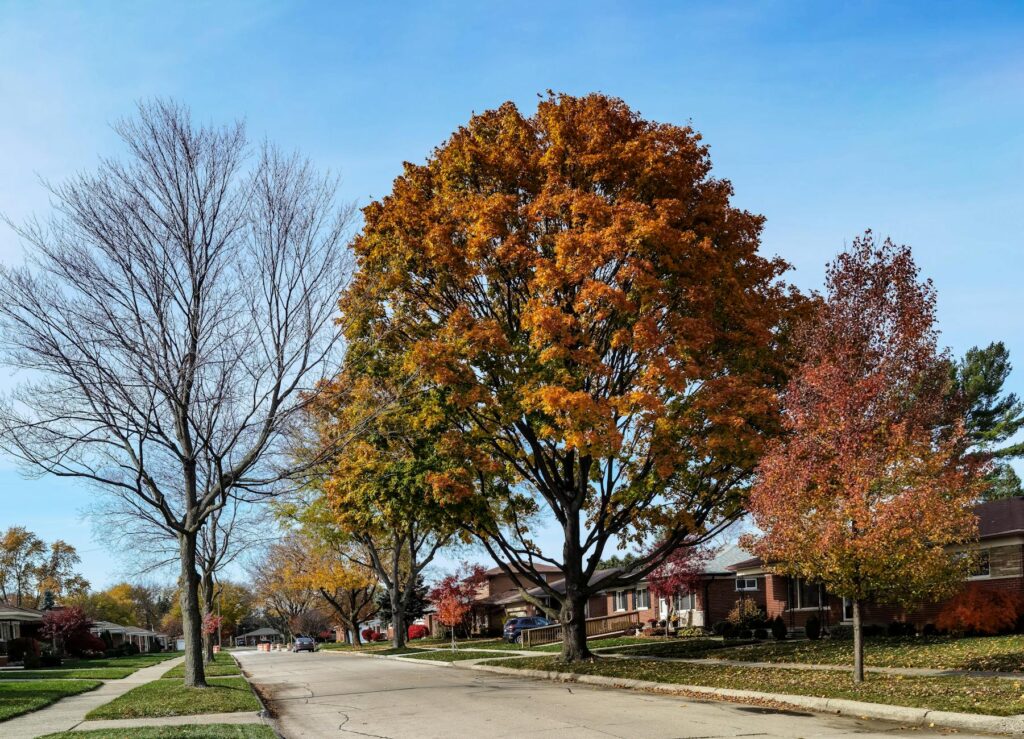
If construction has already happened near your tree, here is what to watch for in the years that follow. These signs are not proof of construction damage on their own — many things cause similar symptoms — but combined with a known construction history near the tree, they warrant a professional assessment.
Thinning or off-color canopy. Leaves that are smaller than normal, fewer in number, or lighter green than you remember are classic signs of root stress. The crown reflects root health. A tree with 30 percent fewer leaves this summer than it had two summers ago is telling you something.
Early leaf drop or early fall color. Trees under stress often begin coloring and dropping leaves in August rather than September. On a street where every other maple is still dark green, a tree that’s already turning is stressed.
Dieback starting at branch tips. In a healthy tree, the tips grow outward every year. A tree in decline begins dying back from the tips inward, a pattern called top-down or tip dieback. The branch skeleton becomes visible earlier in the season as the outer twigs fail to leaf out.
Excessive deadwood in the canopy. One or two dead twigs is normal. A canopy with scattered dead branches of increasing diameter — from pencil-width to finger-width to wrist-width — suggests the decline has been progressing for years.
Fungal fruiting bodies at the trunk base. Shelf fungi, conks, or mushrooms growing from the root flare or soil near the base indicate active wood decay in the root system. By the time fungi fruit externally, the internal decay is often substantial. This is a serious warning sign that warrants professional evaluation before the tree becomes a hazard.
Middletown's #1 Tree Expert Company
FREE Inspection & Estimate | Certified Arborists | Trimming, Pruning, Removal, More!
Sponsored
When to Call a Certified Arborist
If your tree was within 50 feet of significant construction and you’re now noticing any of the symptoms described here, the right move is a consultation with a certified arborist — ideally sooner rather than later. Early diagnosis changes your options. A tree in the early stages of construction decline may respond to soil aeration, deep watering, and reduced competition from turf. A tree that has been declining for four years may be past the point where intervention makes sense, and the honest answer at that point is whether removal is safer than waiting.
Construction damage is one of those diagnoses where the timeline matters enormously. Trees that have lost significant root mass but still have a viable crown can sometimes be stabilized with corrective care — restoring soil structure, managing irrigation, reducing any other stressors. Trees that have lost structural root support may become hazards even if they’re still leafing out normally on the surface. A certified arborist can assess not just health but structural integrity.
For Middletown homeowners planning construction this summer or fall, the best time to schedule a pre-construction tree assessment is before permits are pulled — while you still have leverage over where equipment goes and how trenches are routed. A brief consultation can give you specific protection recommendations, document the tree’s current health, and help you have an informed conversation with your contractor.
Trees that have stood in Middletown yards for 50 or 100 years can’t be replaced on any reasonable timeline. The shade, the wildlife habitat, the character they give a property — those things take generations to grow back. An afternoon of planning before construction starts is a small investment against the loss of something irreplaceable.
Photo credits: Featured image by Janez Temlin on Pexels; Section 1 by David Brown on Pexels; Section 2 by Castorly Stock on Pexels; Section 3 by Avadh on Pexels; Section 4 by C. M. on Pexels; Section 5 by Maxim Titov on Pexels; Section 6 by Sarowar Hussain on Pexels; Section 7 by Peter Xie on Pexels.