
Middletown's #1 Tree Expert Company
FREE Inspection & Estimate | Certified Arborists | Trimming, Pruning, Removal, More!
Sponsored
The Phone Call I Dread Every June

Not long after the first wave of summer thunderstorms rolls in off Raritan Bay, I get a version of the same call. A Middletown homeowner is worried about a big red maple overhanging their roof, wants it “cut down a bit” before storm season gets serious, and tells me their neighbor’s tree guy offered to top it for a couple hundred dollars. That’s when the dread sets in.
Tree topping is one of the most widespread and harmful practices in the landscape industry. It looks like a solution, the price is often lower than a proper job, and most homeowners don’t know what questions to ask until after the damage is done. Understanding the difference between topping and legitimate crown reduction is one of the most useful things you can learn as a tree owner in Monmouth County — and it could save you thousands down the road.
What Tree Topping Actually Is
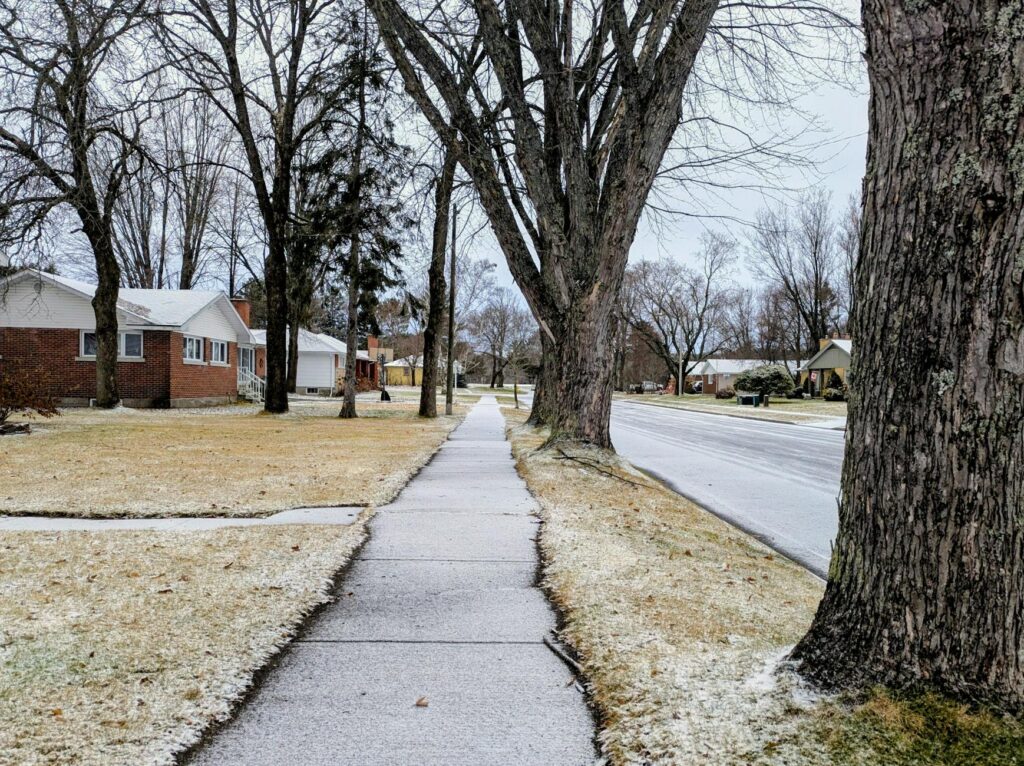
Topping goes by many names — “hat-racking,” “rounding over,” “heading back” — but they all describe the same practice: indiscriminate removal of large branches and main leaders cut to arbitrary lengths, leaving blunt stubs with no lateral branches to assume the terminal role. A topped tree looks buzz-cut. The remaining stubs are often 2–4 inches in diameter or larger, with no real pruning target. Just a chainsaw cutting wherever the contractor decides the tree should stop.
Topping is typically sold as a way to reduce height, reduce wind load, or make a tree safer. Each claim is a short-term half-truth at best. The International Society of Arboriculture (ISA) considers topping an unacceptable pruning practice and has published extensive guidance on why it causes harm rather than preventing it. The key distinction: proper pruning removes specific branches with a clear biological rationale, cutting back to a live lateral branch. Topping removes material arbitrarily, leaving wounds the tree cannot close.
Why Topping Makes Trees More Dangerous Over Time
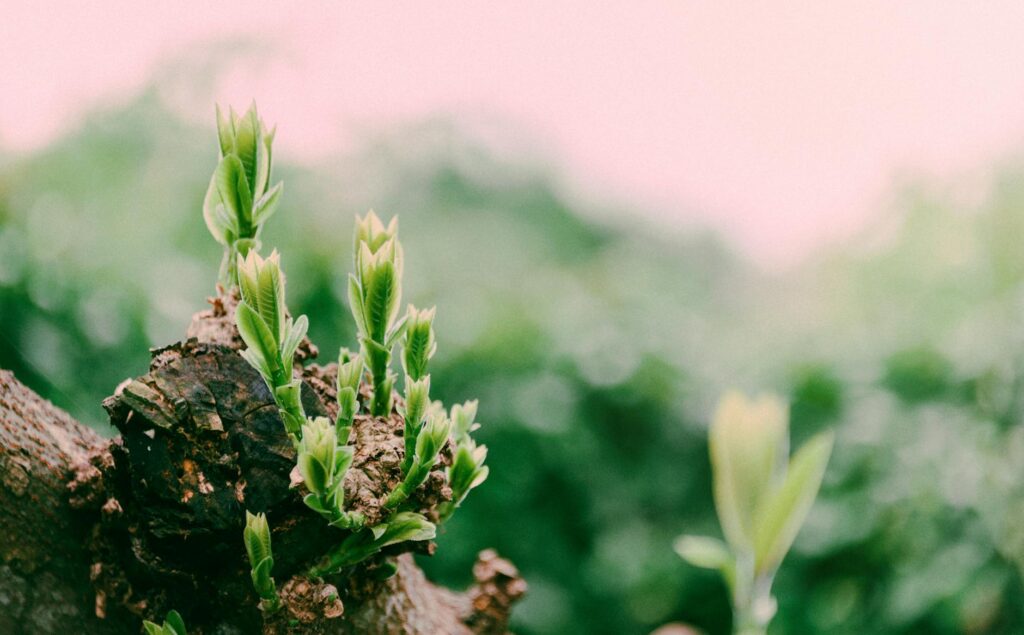
Here’s the part that surprises most homeowners: topping a tree does not make it safer. In most cases, it makes the tree measurably more dangerous within 2–5 years. When a large stub is left on a tree, the tree cannot close that wound. Healthy wound closure — compartmentalization — requires the tree to form a callus ring from an actively growing cambium layer. Stubs with no live lateral branch to sustain cambium growth cannot do this. Instead, they dry out, crack, and become entry points for decay fungi that progress toward the main trunk long before it’s visible from the ground.
Meanwhile, the topped tree responds to the mass removal of foliage by producing dozens of fast-growing water sprouts from the stubs and trunk. These look bushy and vigorous — homeowners often take it as a sign the tree is recovering. It isn’t. Water sprouts grow from the outermost cambium layer and attach with very weak wood. As they grow — sometimes 8–10 feet in a single season — they become long, heavy limbs held by poor unions. Rutgers NJAES cooperative extension has documented this cycle in New Jersey landscapes: a tree that is topped reaches the same height within a few years, now crowded with structurally weak, internally decayed limbs that pose far greater hazard than the original canopy did.
The practical result for Middletown homeowners near structures or roads: you pay once for the topping, and again — typically for an emergency removal — after internal decay reaches the main stem and the tree becomes a genuine hazard. It’s among the most expensive false economies in residential tree care.
Middletown's #1 Tree Expert Company
FREE Inspection & Estimate | Certified Arborists | Trimming, Pruning, Removal, More!
Sponsored
Crown Reduction: What Proper Pruning Actually Looks Like

Crown reduction is a real, legitimate technique — it just isn’t what most contractors who offer “topping” are actually doing. When performed correctly by a certified arborist, crown reduction can genuinely reduce a tree’s height or spread while preserving its long-term health and structural integrity. The critical difference is in the cut targets.
In a proper crown reduction, each cut is made back to a lateral branch large enough to assume the terminal role — at least one-third the diameter of the removed limb, per ANSI A300 pruning standards. This is called a reduction cut or drop-crotch cut. The remaining lateral takes over as the new end of the branch, grows into the space, and the tree maintains its natural silhouette at a smaller scale. There are no stubs, no unprotected wood faces. Each cut point heals because the remaining lateral is actively growing and the cambium can compartmentalize the wound normally.
A properly crown-reduced tree retains its natural layered canopy shape. It loses height but keeps its visual character — and its structural integrity. Crown reduction is also not always the right answer. For a tree that simply needs clearance from a roofline, directional pruning of specific branches is often preferable to reducing the whole crown. A good arborist assesses which approach addresses the actual problem without over-removing wood, because less wood removed means less stress, faster recovery, and lower cost long-term.
When Size Reduction Makes Sense for Middletown Trees

Not every large tree needs to be reduced in size, and an honest arborist will tell you that. But Middletown’s residential landscape does produce genuine situations where crown reduction is the right call. Clearance from structures is the most common: trees that have grown into or above a roofline, particularly fast-growing species like tulip poplar (Liriodendron tulipifera) or silver maple (Acer saccharinum), may need height reduction to bring branch ends away from the building. The right approach is directional or reduction pruning of specific offending branches — not a full-crown cut.
Wind load on exposed Bayshore sites is a legitimate concern for properties in Port Monmouth, Leonardo, and Atlantic Highlands. But here the physics matter: a tree with a dense, intact crown is more vulnerable to wind than one that has been properly thinned. Research from the USDA Forest Service on urban tree wind mechanics confirms that selective crown thinning — allowing air to move through the canopy — exerts far less force on the root system than a solid wall of foliage. Topping doesn’t address this; thinning does.
Trees near utility lines are a special case. Utility right-of-way pruning is governed by safety regulations, not arboricultural standards, and the results are often severe. If a tree will repeatedly grow into power lines regardless of what’s done, the better long-term solution is usually removal and replacement with a species appropriate in size for the site — not repeated topping by utility crews over the next 20 years.
How to Hire the Right Arborist in Middletown
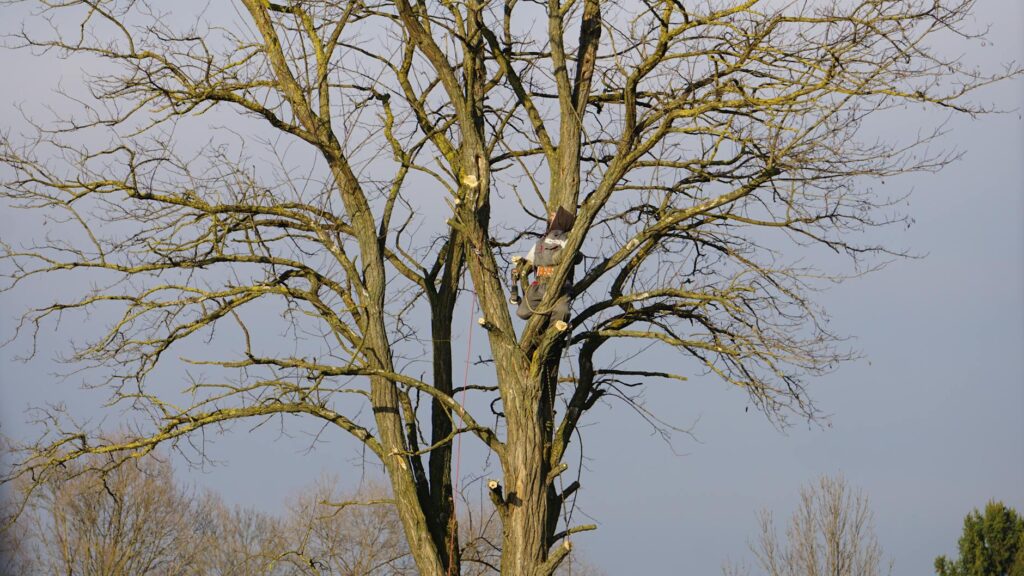
Topping persists partly because tree work in New Jersey requires a home improvement contractor license but no arboricultural training or certification. That means anyone with a truck and a chainsaw can legally offer tree services. The baseline credential to look for is ISA Certified Arborist status. The ISA maintains a searchable directory of certified arborists where you can verify credentials by name or zip code. ISA certification requires documented field experience, a rigorous written exam, and ongoing continuing education.
TCIA membership (Tree Care Industry Association) is a useful secondary marker. Accredited companies follow ANSI A300 pruning standards, which govern proper cut placement and prohibit topping. Ask any contractor you evaluate whether they prune to ANSI A300 standards — a legitimate arborist will know exactly what you mean. Anyone who responds with confusion is telling you something.
Finally, get written proposals with scope of work. A professional proposal describes which branches are being removed and to what target branches — not just “reduce height to 30 feet.” If a contractor can’t tell you specifically what they’re cutting and why, that’s a red flag. The right arborist will walk the tree with you, point out the specific branches they’re proposing to address, and explain the biological rationale for each cut before any equipment arrives.
Middletown's #1 Tree Expert Company
FREE Inspection & Estimate | Certified Arborists | Trimming, Pruning, Removal, More!
Sponsored
Summary / When to Call a Certified Arborist
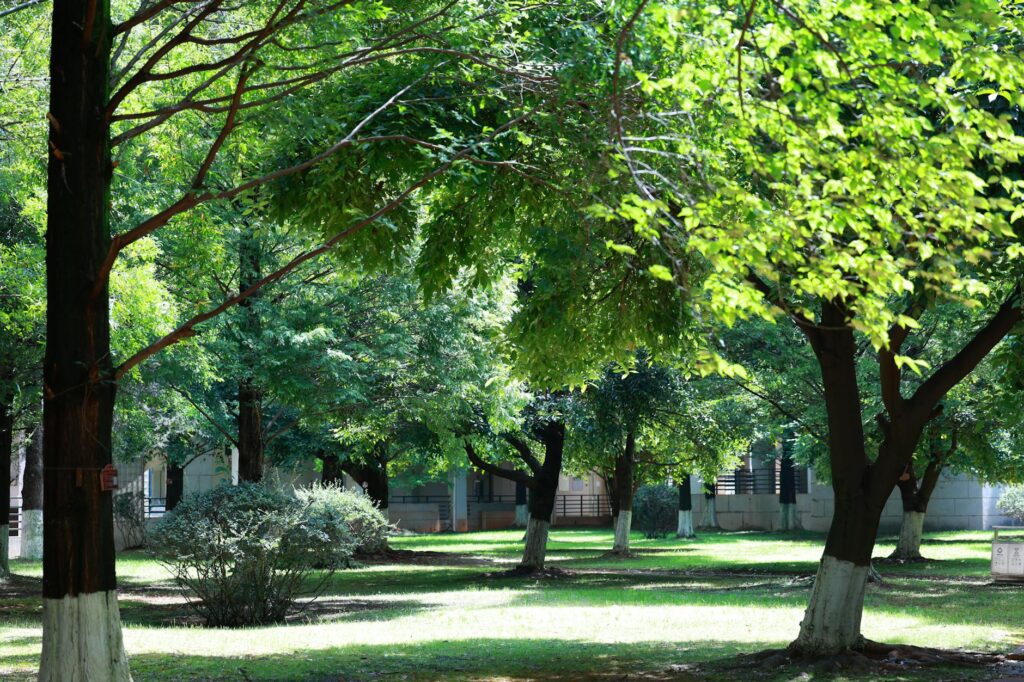
If you have a large tree in your Middletown yard that feels too big, too close to the house, or worrying as summer storm season approaches, that concern is worth acting on — but not with topping. A properly crown-reduced or directionally pruned tree is a genuinely safer, healthier tree. A topped tree is one that will almost certainly need expensive corrective work or emergency removal within the next decade. The short-term savings evaporate fast.
Late May is actually an excellent time to schedule a consultation in Middletown. Trees are in full leaf now, which makes it much easier for an arborist to assess canopy density, identify deadwood distribution, and spot structural problems — included bark in major unions, codominant stems, crossing branches — that are harder to see in winter. Getting a clear assessment now gives you a specific, written plan before the heat of summer puts additional stress on your trees. Ask for ISA certification, ask for a written scope, and if anyone mentions topping, keep looking.
Photo credits: Featured image by Dmytro Glazunov on Pexels; Section 1 by Lalada . on Pexels; Section 2 by J. L. Fizzell on Pexels; Section 3 by Min An on Pexels; Section 4 by Henk Schuurmans on Pexels; Section 5 by Kindel Media on Pexels; Section 6 by Dmytro Glazunov on Pexels; Section 7 by Andy Lee on Pexels.