Fire Blight Is Burning Through Middletown’s Bradford Pears This May
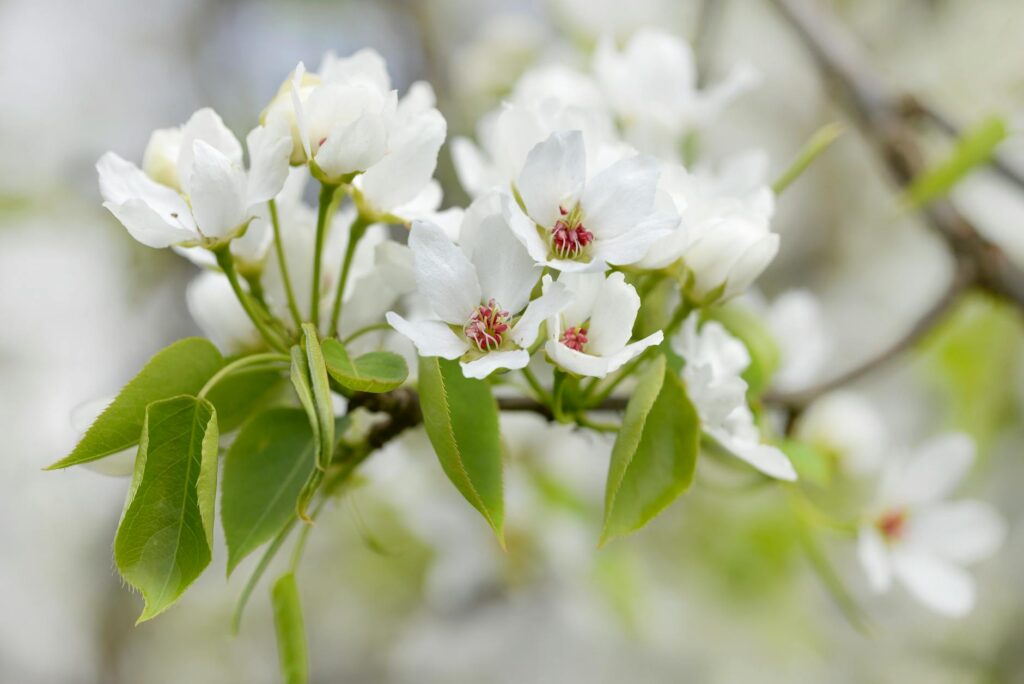
If your ornamental pear or crabapple looks scorched in early May, fire blight is the likely culprit. Here’s what Middletown homeowners need to know right now.
Sycamore Anthracnose: Why Your Middletown Tree Looks Dead Each May
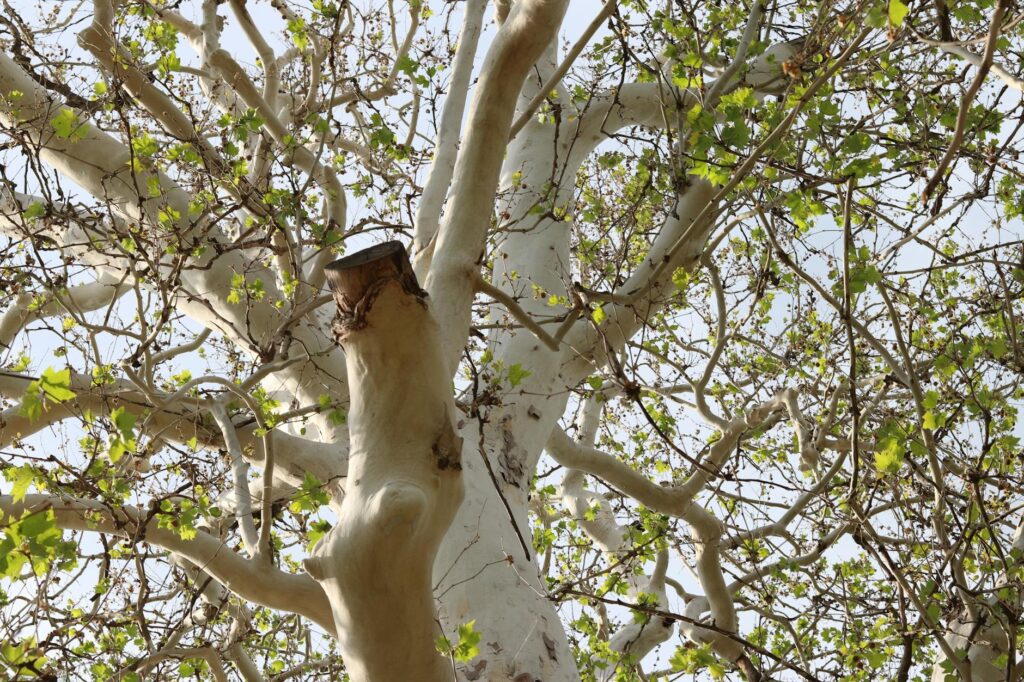
That sorry-looking sycamore likely isn’t dying—it’s battling anthracnose, a spring fungal disease that cycles through Monmouth County every cool, wet season.
Beech Leaf Disease Hits Middletown: What to Look for This Week
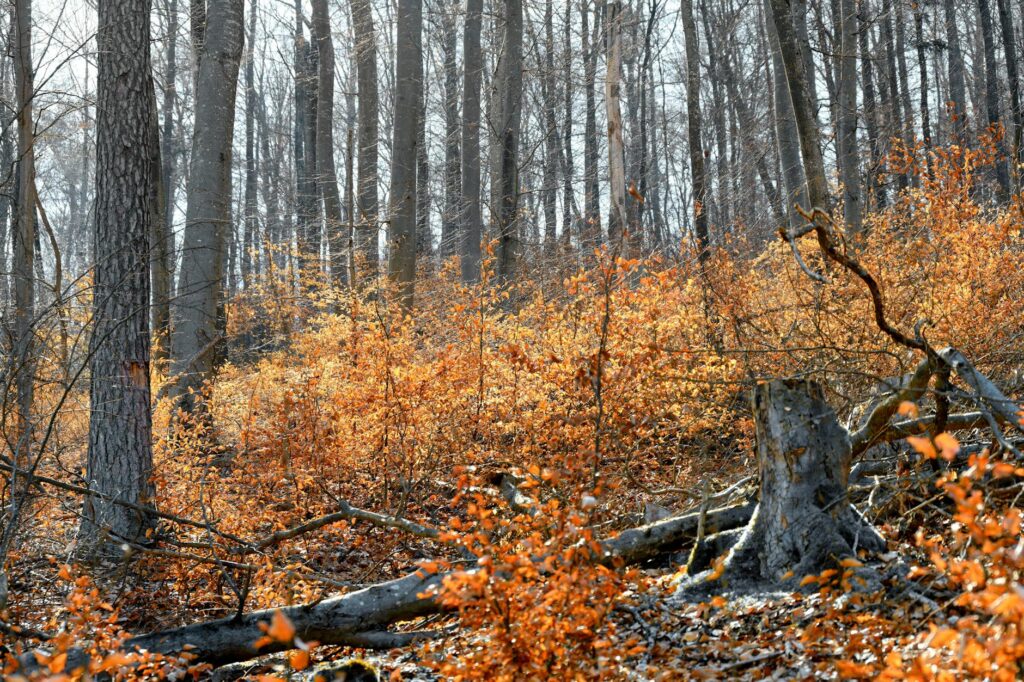
Late April is the only window when beech leaf disease is easy to spot. Here is what Middletown homeowners should be watching for on their American and copper beeches right now.
“Exploding Trees” Explained: Why Extreme Cold Is Causing Trees to Crack, Split, and Fail
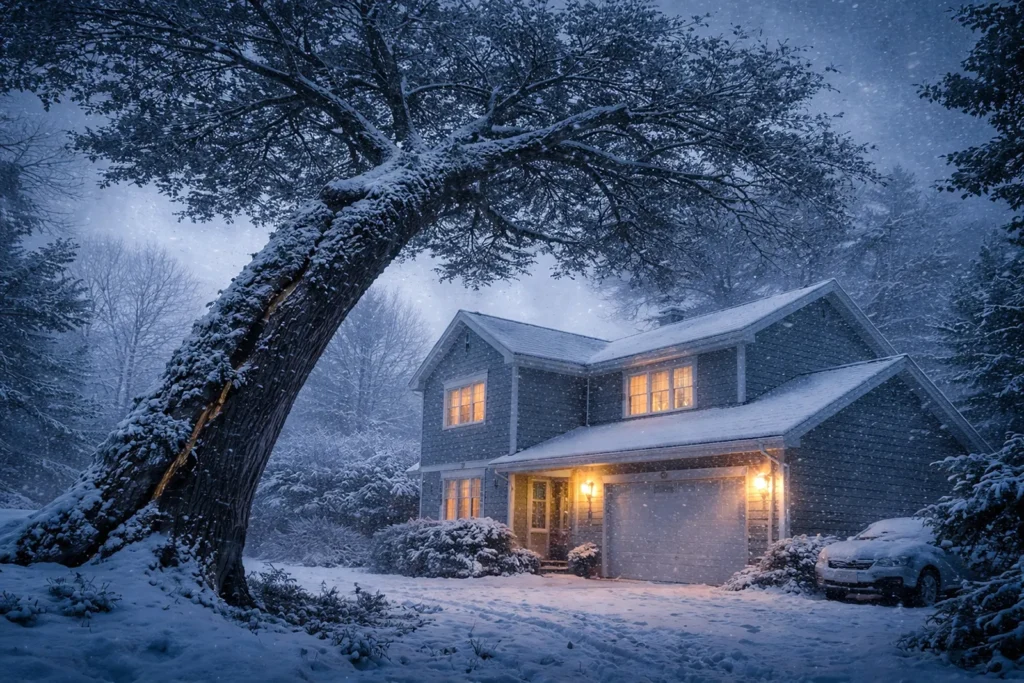
Extreme cold snaps can cause trees to crack, split, and fail without warning, a phenomenon often referred to as “exploding trees.” This article explains how rapid temperature drops damage trees internally, why winter-related fractures are frequently missed, and what New Jersey homeowners should know to prevent delayed tree failures after harsh winters.
Black Knot Fungus Is Spreading Across New Jersey
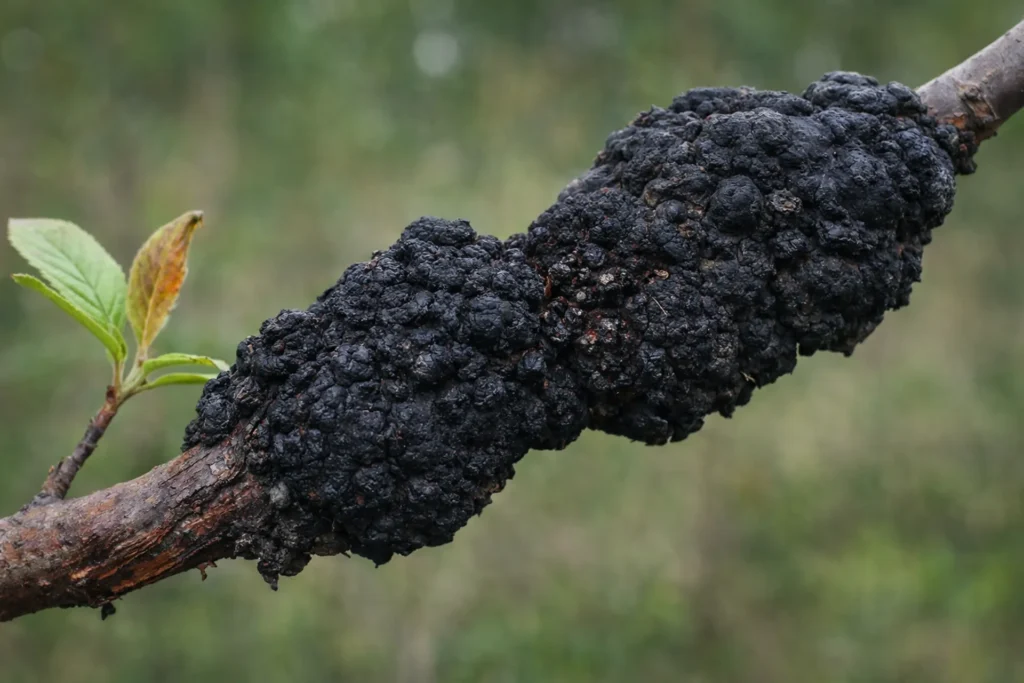
Black knot fungus has become increasingly common across New Jersey, particularly affecting plum and cherry trees. This slow-moving fungal disease often goes unnoticed until damage is severe. Understanding the signs, risks, and proper response can help homeowners protect their trees and prevent further spread.
Recognizing the Signs of an Unhealthy Tree Early
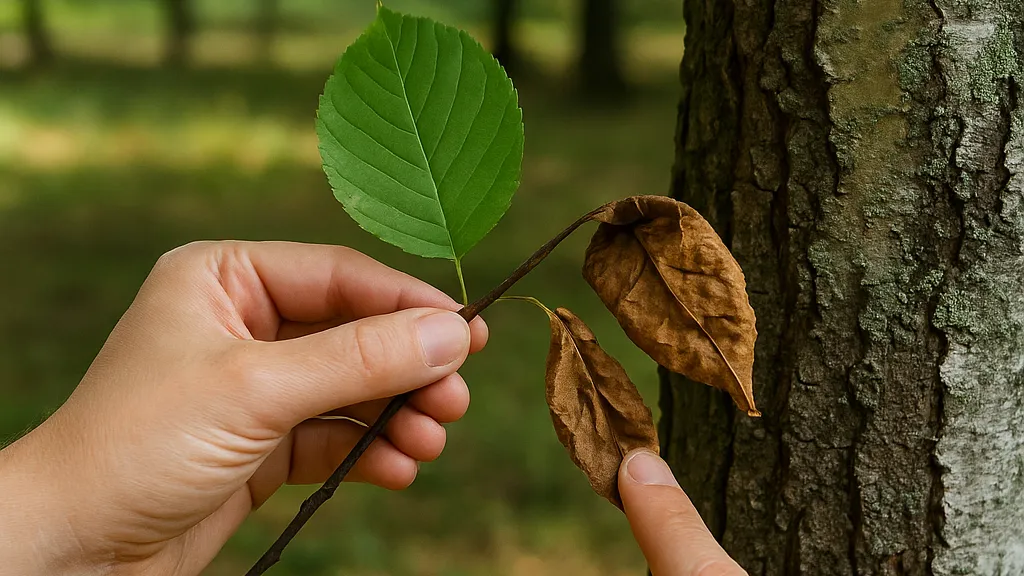
Even healthy-looking trees can hide early signs of trouble. In Middletown Township, subtle changes in color, leaf growth, or bark texture can signal root stress, pests, or decay before larger problems appear. Learn how to recognize the warning signs of an unhealthy tree, protect your property, and know when it’s time to call in a certified arborist.