
Middletown's #1 Tree Expert Company
FREE Inspection & Estimate | Certified Arborists | Trimming, Pruning, Removal, More!
Sponsored
The Most Common Tree-Killer in Every Middletown Subdivision

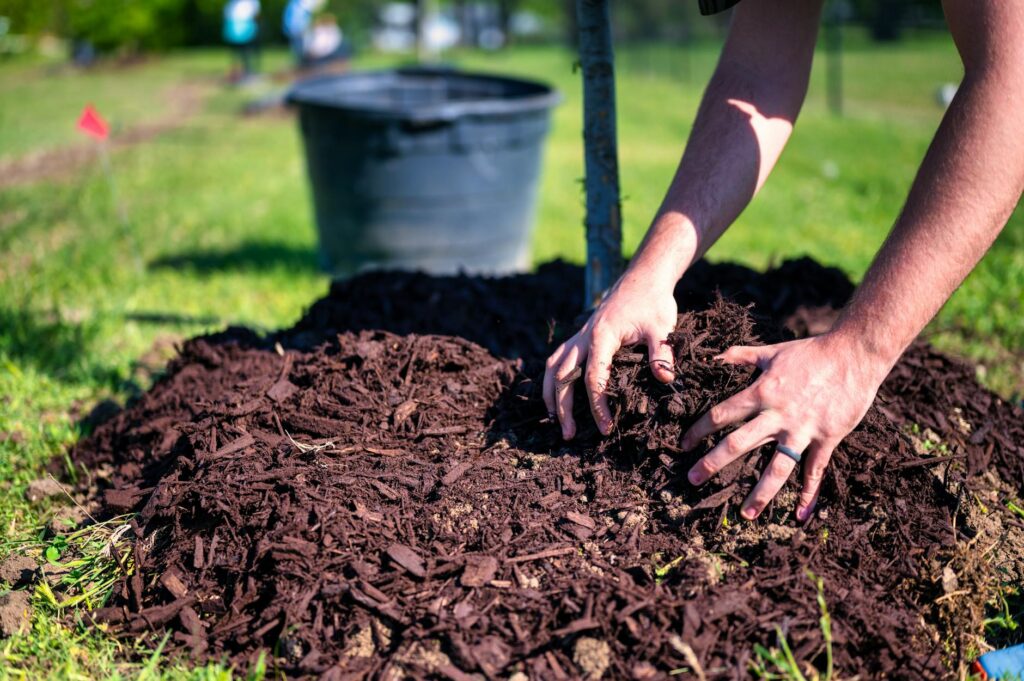
Take a drive through Chapel Hill, Leonardo, Lincroft, or any of the newer developments off Route 35 this weekend and count the mulch volcanoes. You will not have to look hard. They are the neat cone-shaped piles of shredded hardwood, dyed a rich chocolate brown, stacked a foot or more up the trunk of every maple, pear, cherry, and river birch on the property. The landscapers just finished a round of spring service. The beds look sharp. The homeowner is pleased.
Here is the uncomfortable truth. That pile of mulch, the one that looks so tidy, is one of the most effective ways to slowly kill a young landscape tree. Not in one season. Not even in three. But over five to fifteen years, mulch volcanoes quietly cause a cascade of problems, and by the time the homeowner notices a thinning canopy or unexplained dieback, the damage is often irreversible.
Every certified arborist in Monmouth County sees the same thing: a mid-life tree in visible decline, and the root flare buried under six to twelve inches of packed mulch. This article explains why it happens, how to fix it on your own property this spring, and how to mulch trees correctly going forward.
What a Mulch Volcano Actually Does to a Tree
Trees breathe through their root systems, and the top few inches of soil are where the fine feeder roots live. When you bury the trunk and the root flare under a thick pile of mulch, three bad things happen at once.
First, the bark on the lower trunk was never designed to stay wet. A tree’s aboveground bark is different from its root tissue. Piling damp, decomposing organic matter against the trunk keeps it perpetually moist, which softens the bark, invites fungal pathogens like Phytophthora, and creates the perfect habitat for boring insects and rodents looking to chew a ring around a soft trunk in winter.
Second, the tree starts growing roots where it should not. When the root flare is buried, the tree senses the mulch as soil and pushes adventitious roots up into the pile. Some of those roots will circle the trunk, a condition called stem-girdling roots. Over time, those circling roots can strangle the very tree that grew them, slowly cutting off the flow of water and sugars between the canopy and the lower root system. The Rutgers NJAES cooperative extension has documented this extensively in New Jersey landscape trees.
Third, the mulch itself compacts. What started as three inches of fluffy material becomes a dense, semi-anaerobic mat that sheds water rather than absorbing it. Rain rolls off the sides of the volcano and leaves the actual root zone drier than if no mulch had been applied at all.
Why Middletown Gets Hit Especially Hard
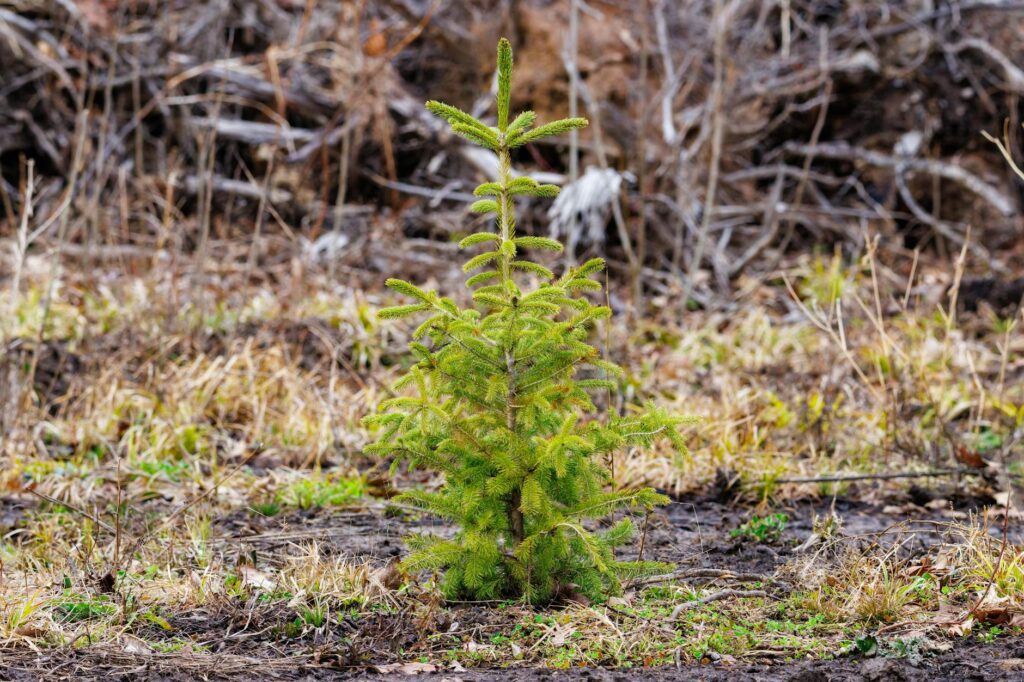
A few local factors make mulch volcanoes worse in our corner of Monmouth County. Much of Middletown sits on coastal-plain soils, which range from sandy fast-draining loam along the Bayshore to heavy clay in the inland sections. Clay soils under a mulch volcano stay wet for weeks after a spring rain, accelerating root rot. Sandy soils seem safer, but they wick moisture up into the mulch pile and bake the lower trunk during July heat.
Monmouth County’s landscape industry also leans heavily on a small set of fast-growing, relatively short-lived species: Bradford pear, crape myrtle, Kwanzan cherry, river birch, Norway maple. Every one of these species is especially vulnerable to root collar problems, and every one of them is the tree most often found buried under a cone of mulch in new developments. The combination is tough.
The International Society of Arboriculture’s consumer resource, treesaregood.org, has a clear, short guide to proper mulching that is worth bookmarking before you meet with your landscaping company this spring.
Middletown's #1 Tree Expert Company
FREE Inspection & Estimate | Certified Arborists | Trimming, Pruning, Removal, More!
Sponsored
How to Spot the Problem on Your Own Trees
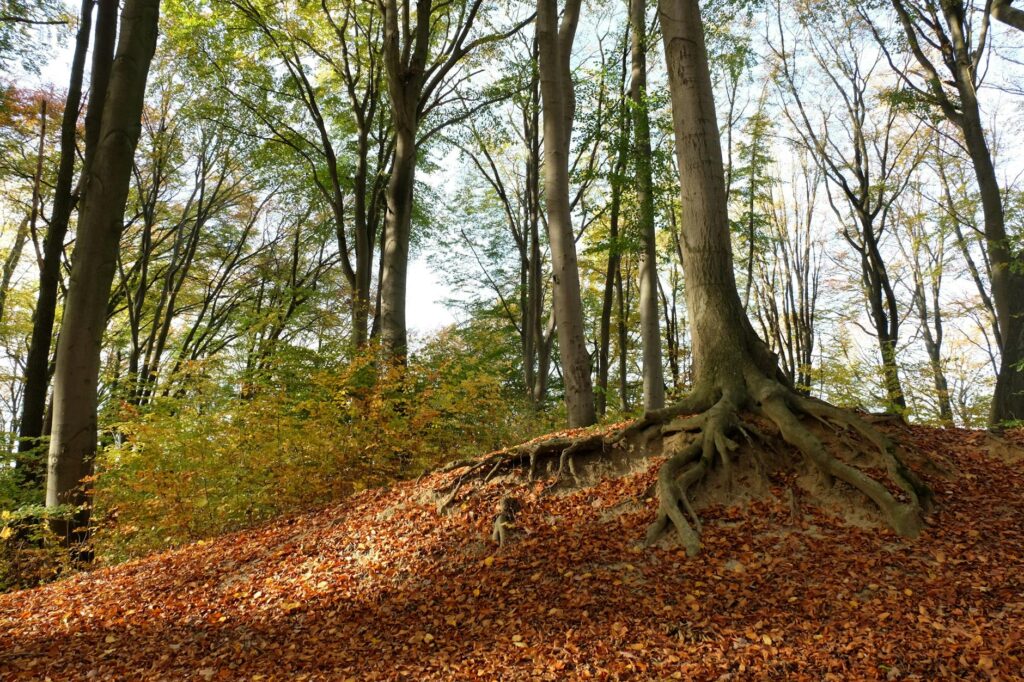
Walk your property. At each tree, look for the root flare. On a healthy tree, the trunk widens noticeably at the base, like an elephant’s foot, before the roots disappear into the soil. If the trunk looks like a telephone pole going straight into the ground, the flare is buried and you have a problem.
Next, look at the canopy. Trees in mulch-volcano decline often show:
- Thinner than normal leaf density on the upper canopy
- Smaller leaves than in previous years
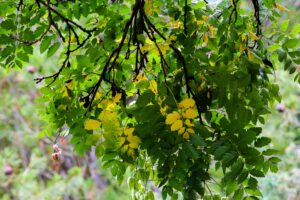
- Early fall color, sometimes as early as mid-August
- Scattered dead twigs in the crown
- Slow or no annual growth at the branch tips
Check the trunk itself just above the mulch line for seeping dark spots, peeling bark, or a circling woody root pressing against the trunk from the outside. Any of those are red flags that warrant a closer look by a professional.
The Fix: Excavate, Don't Rebuild
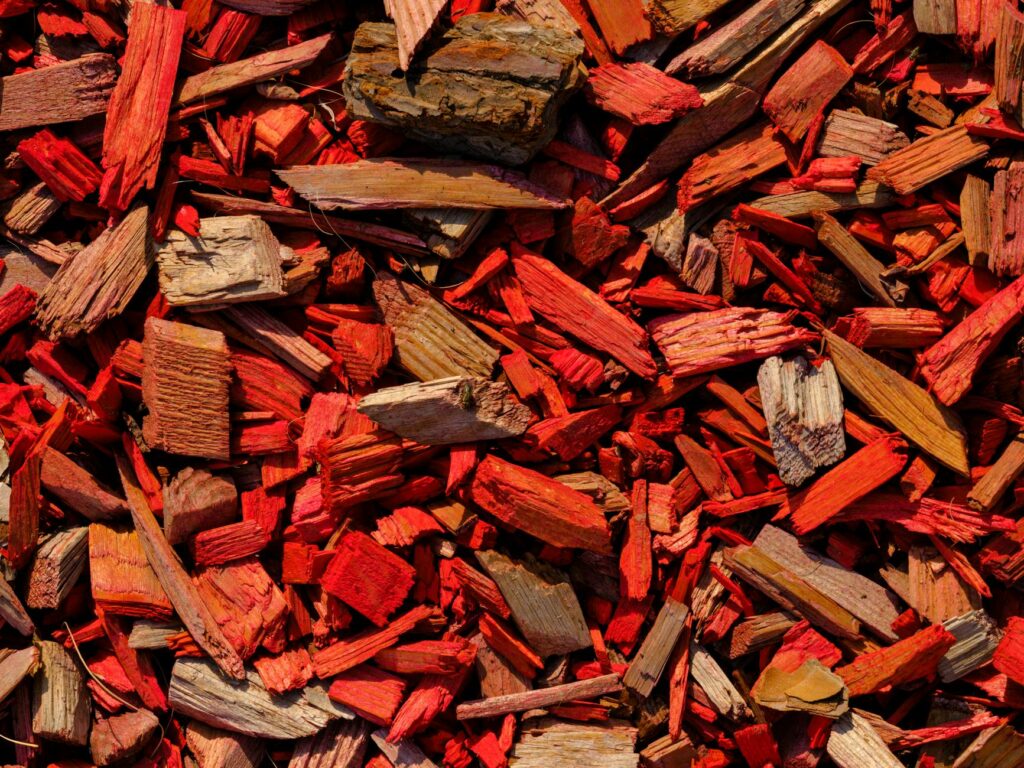
If you find a mulch volcano on your property, the repair is surprisingly straightforward but has to be done carefully. The goal is to expose the root flare back to daylight without damaging the tree in the process.
Pull the mulch back with your hands or a stiff brush. Do not use a shovel or a metal rake near the trunk; mechanical tools nick the bark, and a fresh bark wound this time of year is an invitation for disease. Expose the top of the root flare. You should see the trunk widen into a flare, and you should see the tops of the largest structural roots radiating outward just below the soil surface.
If you find girdling roots, do not cut them yourself. Some can be removed safely. Some cannot, because they have grown into the trunk tissue itself and cutting them out removes a slice of the trunk’s living cambium. This is a call for a certified arborist with an air spade, which uses compressed air to gently blow soil and mulch away from the root system without damaging living tissue. The USDA Forest Service and urban forestry researchers have published on air-spade root collar excavation as the gold standard repair for long-buried trees.
After excavation, re-mulch correctly. Two to three inches of mulch, spread in a flat ring that extends out to the dripline if possible, and kept a clear three to six inches away from the trunk itself. The shape to aim for is a donut, not a volcano.
Talking to Your Landscaper
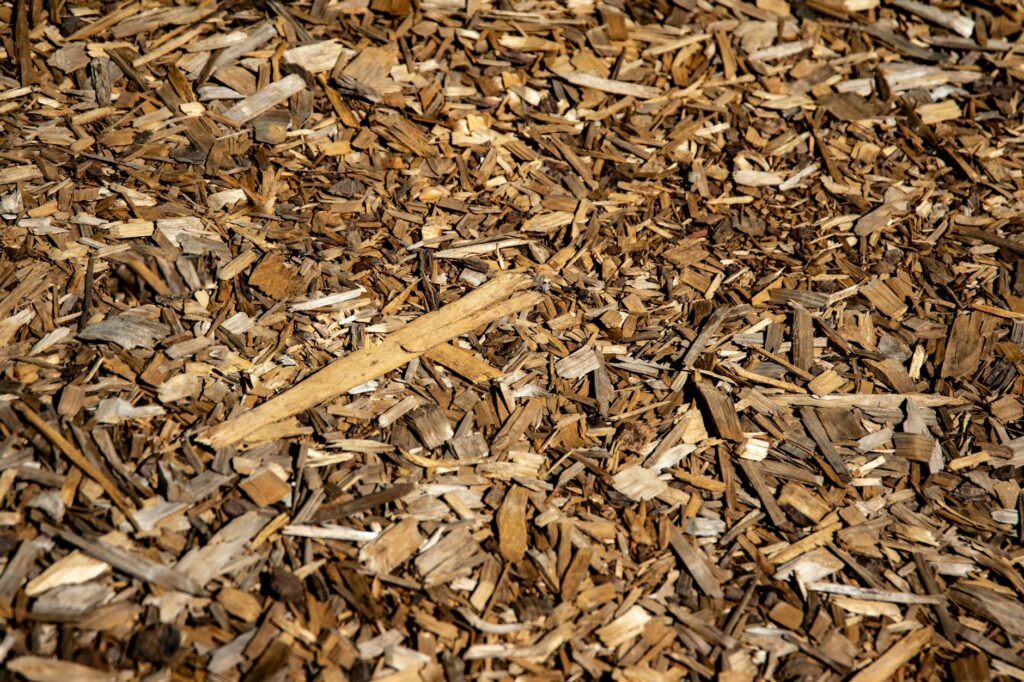
Many Middletown homeowners contract with a landscaping company that handles mulching as part of a spring package. The company may do excellent work on lawns and beds while still piling mulch against every trunk on the property, because the crew was trained to make the beds look tidy, not to protect the trees. You can fix this with one conversation.
Before your spring service, ask for two things in writing: mulch depth capped at three inches, and a clear gap of at least three inches between mulch and every trunk. A professional crew will not push back. If your landscaper does push back or says everyone does it the old way, that is a signal to ask more questions about what else is being done on autopilot.
Some Middletown properties, especially commercial ones and HOAs, have contracts that specify mulching quantities in cubic yards per season. If your HOA is on one of those contracts, the incentive structure points toward piling mulch high. A letter from an arborist explaining mulch volcano damage is often enough to get HOA boards to renegotiate the spec.
Middletown's #1 Tree Expert Company
FREE Inspection & Estimate | Certified Arborists | Trimming, Pruning, Removal, More!
Sponsored
When to Call a Certified Arborist
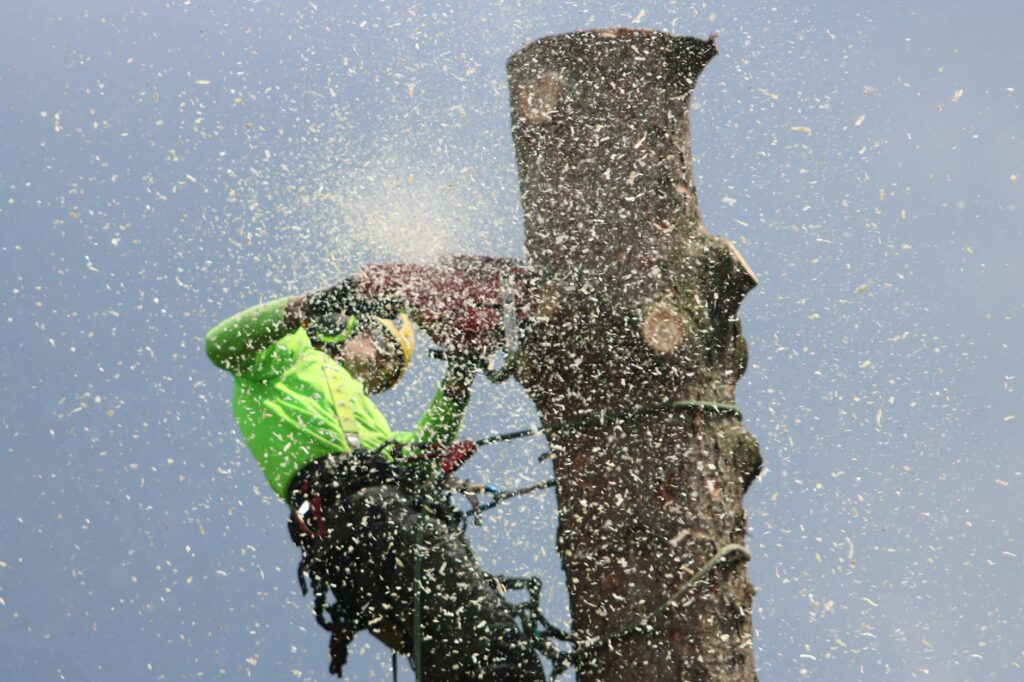
For a routine mulch volcano on a young, otherwise healthy tree, a homeowner can usually do the repair in an afternoon with a pair of gloves. For bigger situations, call a certified arborist. Specifically:
- If the tree is mature or historically significant, and the root flare has been buried for more than five years
- If you can see circling roots pressing against the trunk
- If the canopy already shows signs of decline (thinning, dieback, undersized leaves)
- If you are dealing with a row of trees, common along Middletown’s street plantings and HOA entrances, where the damage pattern is uniform
A short inspection is inexpensive insurance. The ISA’s certified arborist directory and the Tree Care Industry Association member directory are both good places to start if you want to verify credentials before anyone climbs or cuts.
Middletown’s tree canopy, especially the mature oaks, maples, and tulip poplars that predate most of our subdivisions, is one of the real amenities of living here. Mulch correctly, and a young landscape tree planted this spring has a shot at being a shade tree for your grandchildren. Pile it into a volcano, and you are paying someone to slowly kill it.
Photo credits: Featured image by Alfo Medeiros on Pexels; Section 1 by Mingyang LIU on Pexels; Section 2 by www.kaboompics.com on Pexels; Section 3 by Aaron J Hill on Pexels; Section 4 by Roman Biernacki on Pexels; Section 5 by Engin Akyurt on Pexels; Section 6 by Magda Ehlers on Pexels; Section 7 by Henk Schuurmans on Pexels.