Middletown's #1 Tree Expert Company
FREE Inspection & Estimate | Certified Arborists | Trimming, Pruning, Removal, More!
Sponsored
Most of Our Ash Are Already Gone
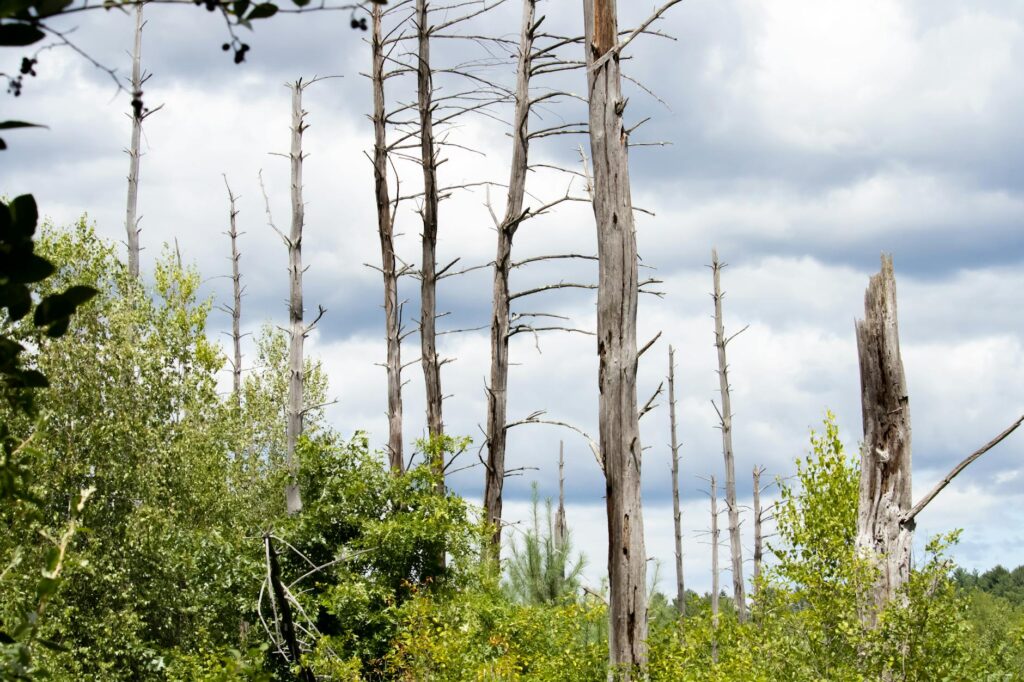
If you walked the woods in Hartshorne Woods, Poricy Park, or Cheesequake State Park a decade ago, you walked under a lot of ash. White ash (Fraxinus americana), green ash (Fraxinus pennsylvanica), and to a lesser extent black ash were a common component of our mixed hardwood forests, and ash was one of the most frequently planted street and yard trees across Middletown Township. If you walked the same trails last week, you probably did not notice any ash at all, because most of them are no longer alive.
The emerald ash borer, Agrilus planipennis, is a small metallic-green beetle that was first detected in Michigan in 2002 and reached New Jersey around 2014. Monmouth County was confirmed infested shortly after. In the twelve years since, the beetle has killed an estimated ninety-five percent or more of unprotected ash trees across our county. The survivors are a small and shrinking population of protected specimens, lucky outliers, and a handful of ash trees that simply have not been found yet.
If you still have a living ash on your property in Middletown, late April is the decision week. You have three options: treat it, remove it, or gamble. This article is about how to think clearly about which of those is right for your specific tree.
How to Tell If You Even Still Have an Ash
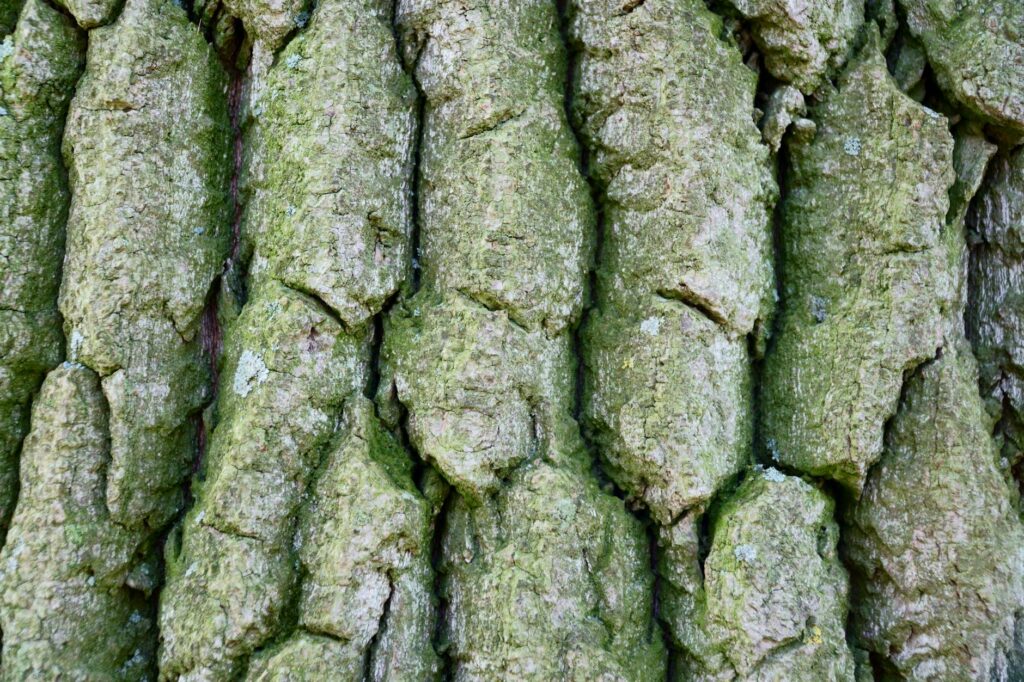
This is not a trivial question. Plenty of Middletown homeowners are unsure what species their big yard tree actually is. Ash trees have a few distinctive features:
- Opposite branching — look at the twigs, and branches come off in matching pairs across from each other. Very few eastern trees have this pattern. Ash, maple, dogwood, and horse chestnut do; most others do not.
- Compound leaves — each leaf is made up of five to nine (usually seven) leaflets arranged along a single stalk. Each leaflet is roughly one to four inches long, lance-shaped, with finely toothed edges.
- Bark — on mature trees, the bark shows a distinctive diamond or X pattern of intersecting ridges. Once you have seen it, you will not mistake it.
- Seeds — ash produces single-winged samaras that hang in clusters. If you see piles of papery, rice-shaped seeds under your tree in fall, that is an ash.
If you have a tree that shows opposite branching and compound leaves but you are not sure whether it is ash, send a photo to the Rutgers NJAES cooperative extension. They will identify it.
How to Tell If Your Ash Is Infested
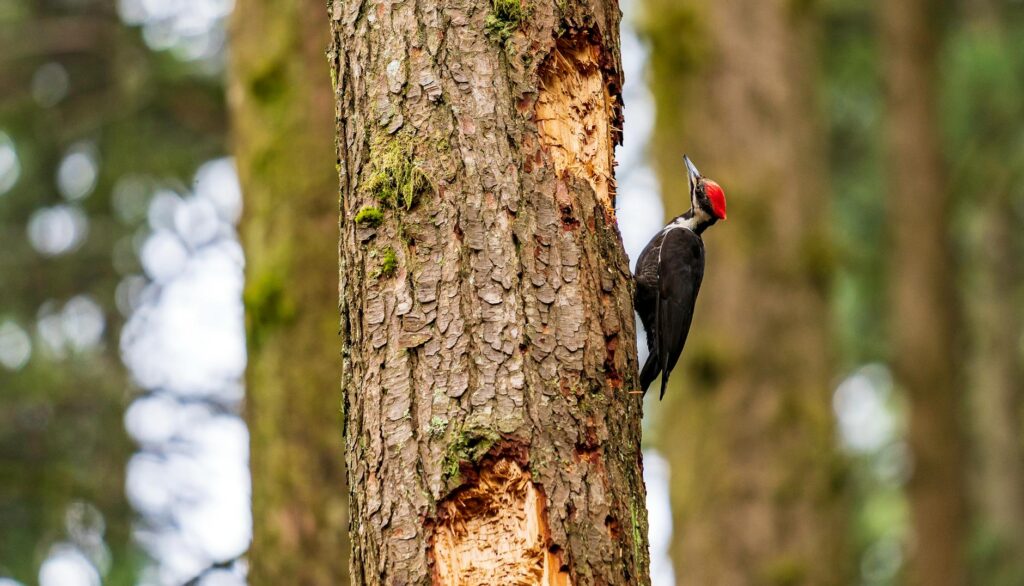
The outward signs of emerald ash borer infestation are distinctive once you know what to look for.
- Canopy dieback from the top down. The uppermost branches thin out first, and leaves get sparse. Over a few years, the top third to half of the tree looks skeletal.
- Epicormic sprouts — clusters of small shoots popping directly out of the main trunk or large limbs, often low on the tree. This is a stress response.
- D-shaped exit holes. Adult beetles leave the tree through a distinctive capital D-shaped hole about one-eighth of an inch across. They are often clustered on the upper trunk and large branches.
- Bark splits revealing S-shaped galleries underneath. Peel a loose piece of bark off a suspicious section and you may see winding tunnels on the wood beneath.
- Woodpecker activity — increased woodpecker work, especially pileated or downy, creating pale patches where they have flaked off bark to get at the larvae.
A tree showing three or more of these signs is probably already too far gone for treatment to save it. A tree showing none of them, or only minor woodpecker activity, is a candidate for treatment if you want to keep it.
Middletown's #1 Tree Expert Company
FREE Inspection & Estimate | Certified Arborists | Trimming, Pruning, Removal, More!
Sponsored
What Treatment Actually Does
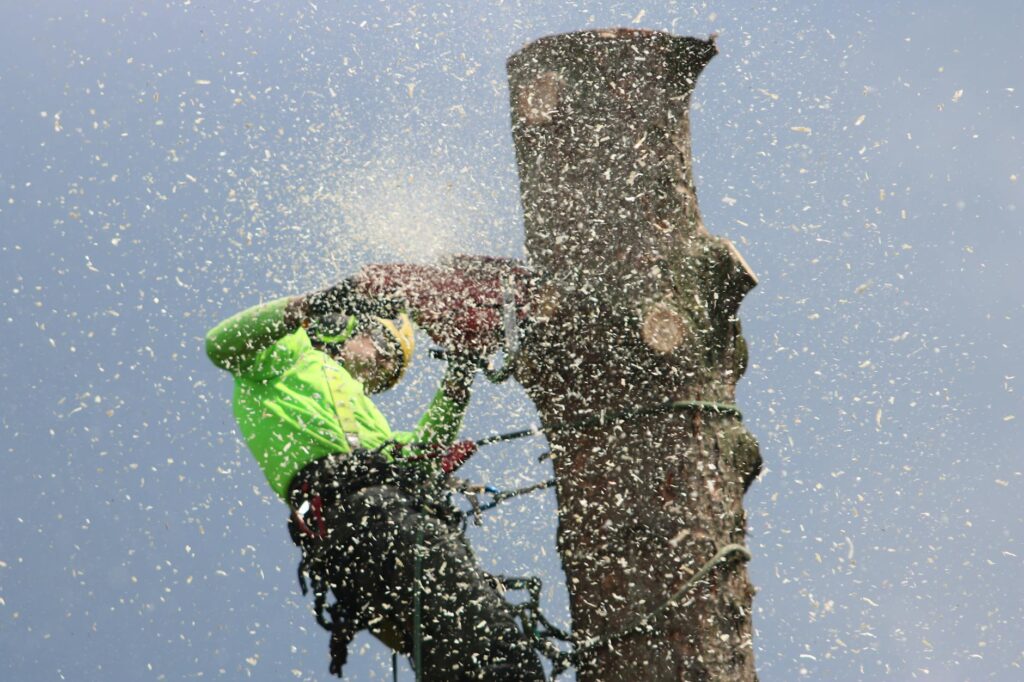
The standard treatment for EAB in 2026 is a trunk injection of a systemic insecticide, most commonly emamectin benzoate. The chemical is injected into the vascular system of the tree through small holes drilled into the base of the trunk. It moves up through the sapwood into the canopy, and when larvae feed on the inner bark, they get a lethal dose.
Injection is performed by a licensed arborist in late spring or early fall. The USDA Animal and Plant Health Inspection Service publishes a thorough background on EAB and approved treatments. A well-timed first injection protects a tree for two to three years. Ongoing protection requires re-injection on that schedule, essentially indefinitely, because the beetle population in the surrounding landscape is endemic and will not go away.
Cost varies with tree size. A yard tree with a twenty-inch diameter at breast height typically runs a few hundred dollars per treatment cycle. Over a twenty-year horizon you are looking at a meaningful investment, which is why treatment decisions usually come down to the specific value of the tree.
Research from the USDA Forest Service and multiple university extension programs supports treatment effectiveness when started before canopy dieback exceeds thirty percent. After that threshold, the tree is usually too damaged to recover reliably even if the beetle is killed.
The Honest Decision Tree
Here is how a certified arborist actually thinks about your specific ash.
- Canopy dieback less than thirty percent, no visible exit holes, tree is a high-value specimen (yard centerpiece, shade for the house, historic tree): treat. It is worth it.
- Canopy dieback thirty to fifty percent: borderline. Treatment may slow decline but may not save the tree. A realistic prognosis from an arborist before spending the money.
- Canopy dieback over fifty percent, multiple visible exit holes, heavy woodpecker damage: remove. The tree is past saving and is becoming structurally hazardous. Ash wood becomes brittle shockingly fast once the tree dies. Within two to three years of death, limbs start failing with no warning.
- Low-value tree, no sentimental or landscape value: remove. The tree will die on its own timeline, and you are better off replacing it now with a resistant species than dealing with hazard removal later.
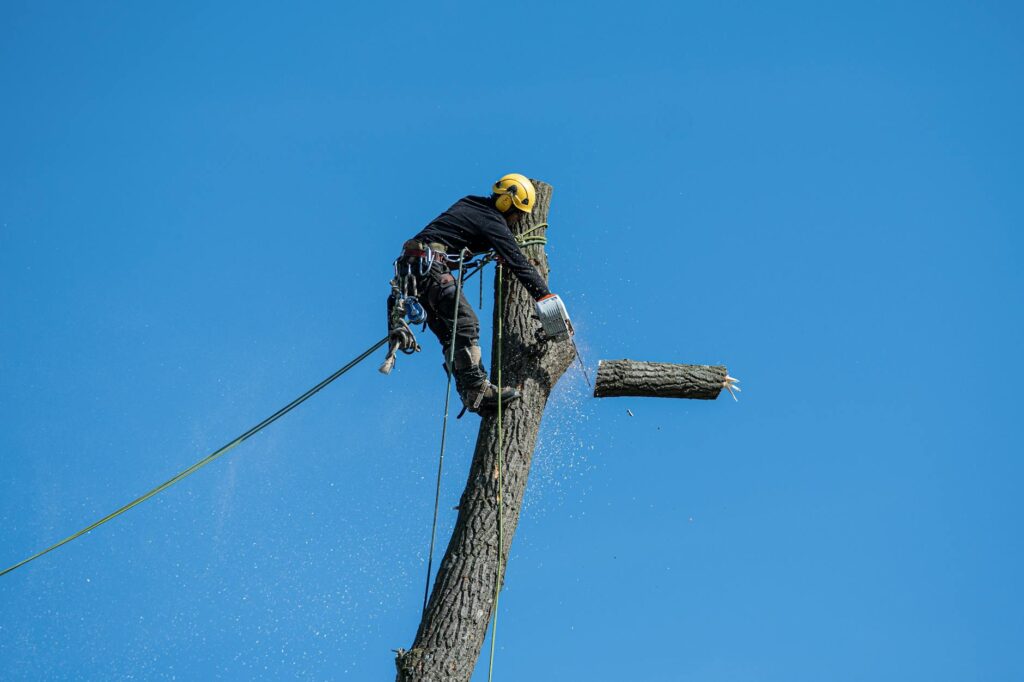
The hazard point is worth taking seriously. A dead ash is not a normal dead tree. Ash heartwood decays fast in a way that makes climbing and dismantling genuinely dangerous. A tree that could be taken down in one afternoon while still alive may require crane work, longer ropes, or a bucket truck six months after death.
What to Plant Instead
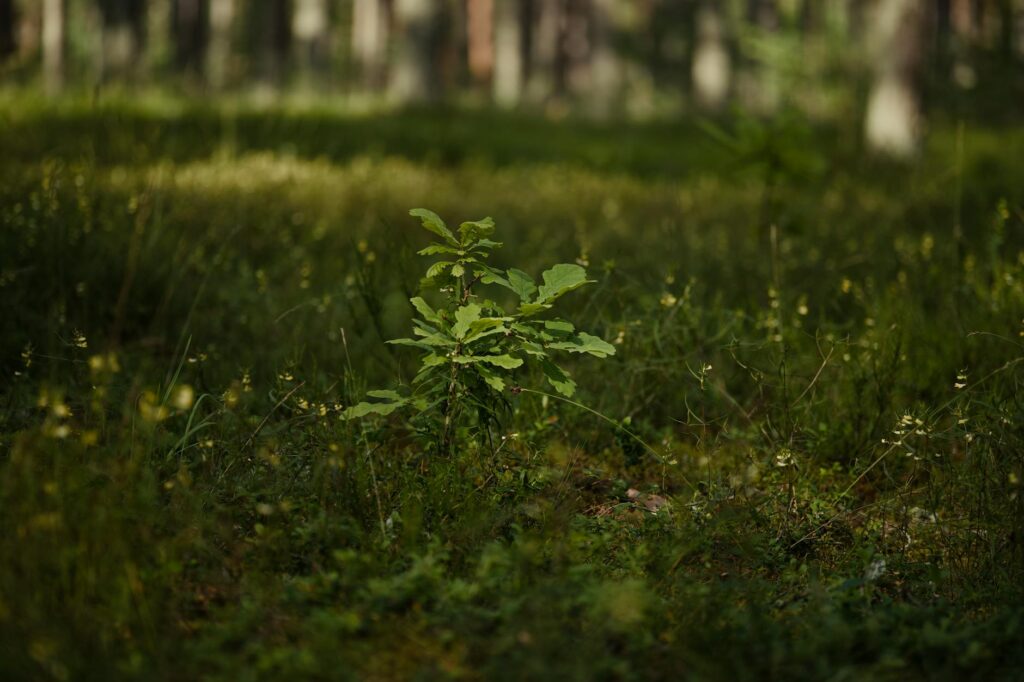
If you are removing an ash, the natural question is what to replace it with. For Middletown’s soils and climate, good replacement options depend on the site. For a yard shade tree with full sun and room to spread, consider:
- Swamp white oak (Quercus bicolor) — tough, adaptable, beautiful, fast-growing
- Red maple (Acer rubrum) — if you want fall color and a moderate-sized tree
- American hornbeam (Carpinus caroliniana) — smaller, understory, great for tight spots
- Tulip poplar (Liriodendron tulipifera) — fast, native, good wildlife value, needs space
- American persimmon (Diospyros virginiana) — underused native, tough as nails
Avoid replanting ash. Avoid Bradford pear, Norway maple, and tree of heaven — all of which cause other problems locally. The New Jersey DEP Forest Service publishes guidance on native replacement species for former ash sites.
Middletown's #1 Tree Expert Company
FREE Inspection & Estimate | Certified Arborists | Trimming, Pruning, Removal, More!
Sponsored
When to Call a Certified Arborist
The EAB decision is genuinely not one to make on your own. A few specific triggers for a professional visit this spring:
- You still have a living ash and have never had a professional assessment of its EAB status
- You have an ash that is clearly declining but you are not sure whether it can still be saved
- You have a dead or mostly dead ash within reach of a house, driveway, power line, pool, or play area
- You have multiple ash on the property and want a coordinated plan rather than tree-by-tree decisions
A certified arborist can assess canopy condition accurately from the ground and from the tree itself, check for exit holes and gallery patterns, give you a realistic prognosis, and price both treatment and removal so you can make an informed call. For trees you decide to keep, the arborist can inject them during the correct May through June window or early fall window, which coincides with the beetle’s active season.
Middletown Township lost most of its ash trees in the last decade, and the ones still standing are worth either saving properly or taking down safely. What they are not worth is ignoring. Dead ash are one of the most dangerous categories of hazard tree in the county right now, and they do not get less dangerous with time.
Photo credits: Featured image by Engin Akyurt on Pexels; Section 1 by Tim Dusenberry on Pexels; Section 2 by Budget Bizar on Pexels; Section 3 by Rajiv Krishnan on Pexels; Section 4 by Henk Schuurmans on Pexels; Section 5 by Jacky on Pexels; Section 6 by Lauri Poldre on Pexels; Section 7 by Henk Schuurmans on Pexels.