Middletown's #1 Tree Expert Company
FREE Inspection & Estimate | Certified Arborists | Trimming, Pruning, Removal, More!
Sponsored
When Your Backyard Holds a Piece of Middletown's History
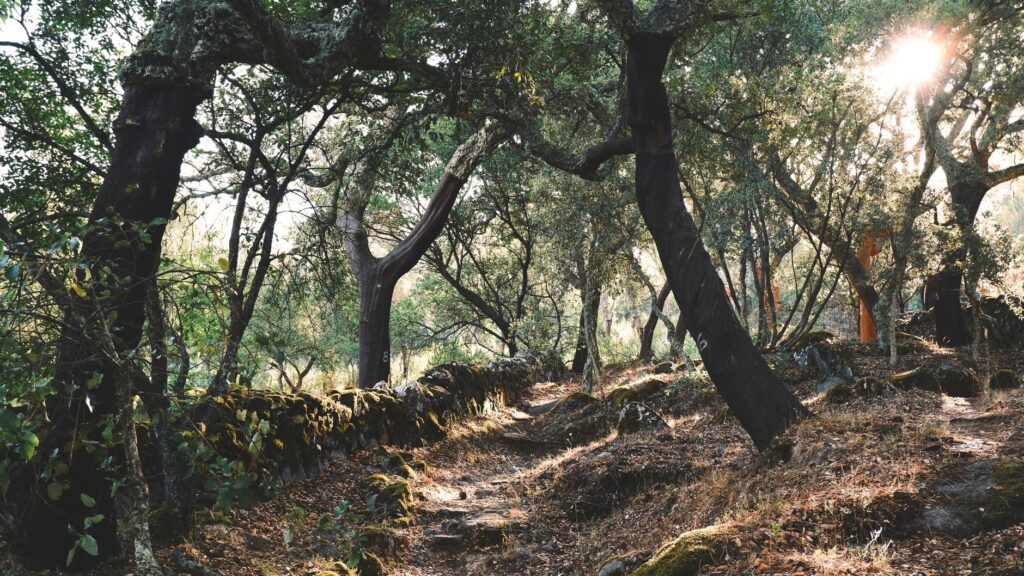
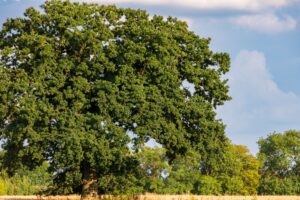
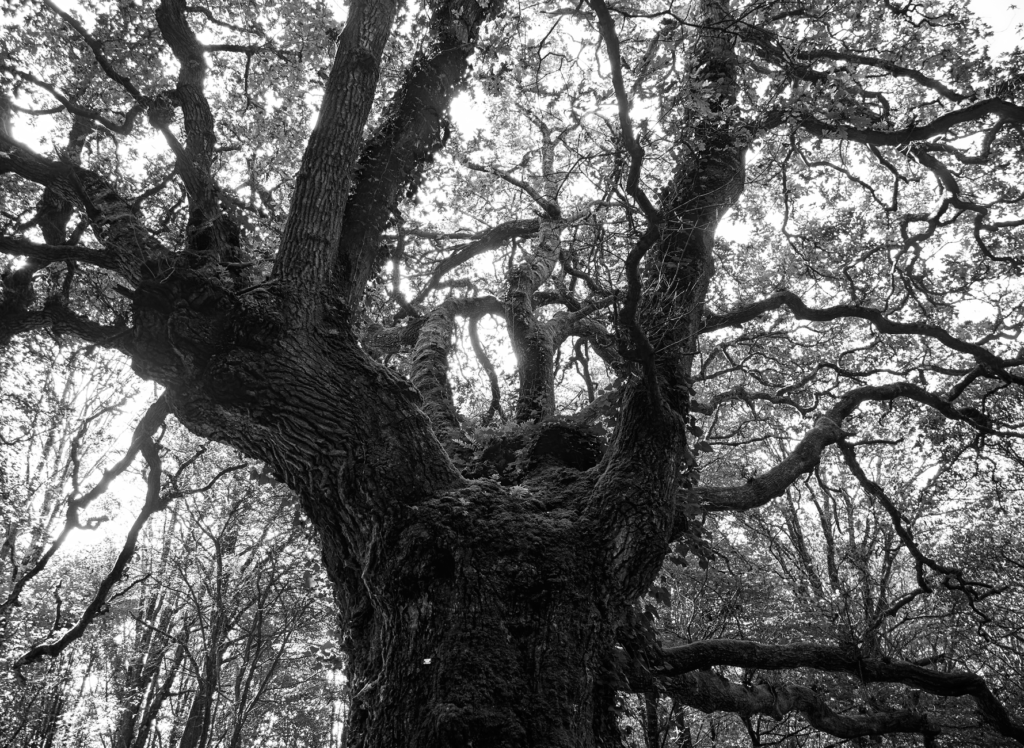
Walk the edge of Hartshorne Woods on a still summer morning and you’ll pass white oaks (Quercus alba) with bark so deeply furrowed it looks like topographic maps. Some of those trunks measure four or five feet across. A tree that size was already old when George Washington’s Continental Army moved through Monmouth County. You might have something similar standing on your own property right now — and not know it.
A heritage tree is more than just a big tree. It can be old enough to qualify for New Jersey’s Big Tree Program, historically significant to a neighborhood or community, or simply irreplaceable in the ecological fabric of your yard. Middletown Township has one of the richest tree canopies in Monmouth County, shaped by centuries of farming, estate ownership, and fortunate neglect. That history shows up in the trees, if you know how to read it.
The challenge for most homeowners is recognizing what they have. Old trees don’t always look healthy by suburban standards — they carry deadwood in the crown, hollow cavities, moss and lichen on the bark, and root systems that heave nearby pavement. These are often signs of age and ecological richness, not decline. Knowing the difference is the first step to protecting something that can’t be replaced in any human lifetime.
What Makes a Tree a Heritage Tree
There’s no single legal definition of a heritage tree in New Jersey, but the concept is practical and useful. The New Jersey Forest Service tracks champion-sized trees through the state’s Big Tree Program, recording the largest known specimens of each species by a combined score of height, girth, and crown spread. When a tree makes that list, it’s heritage by any measure. Monmouth County has produced state champions in several species, and many more trees in the area come close.
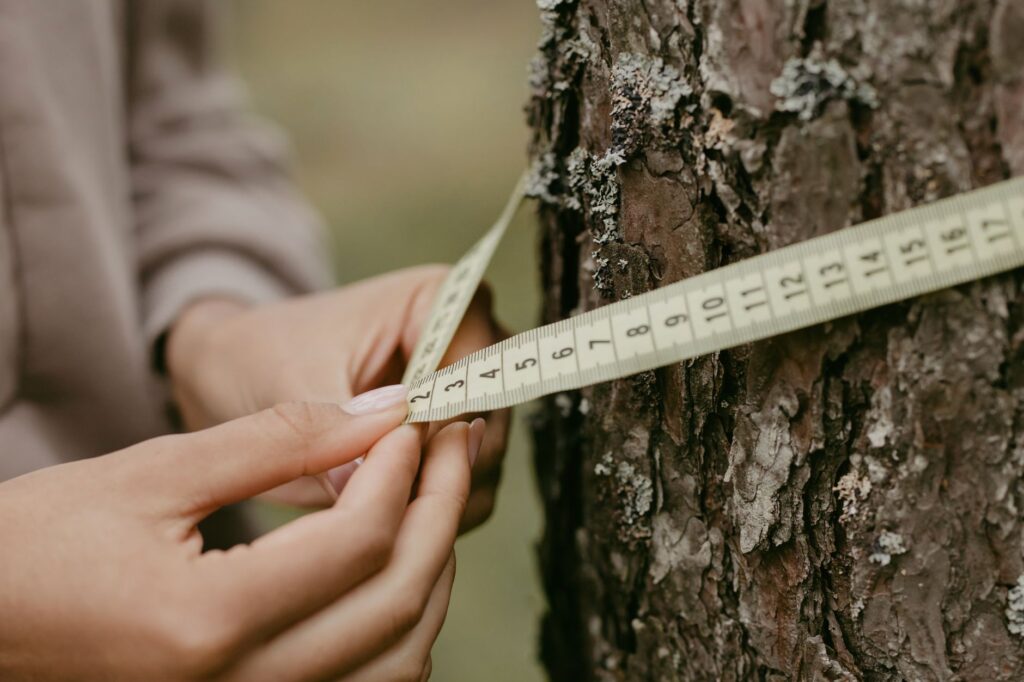
Outside of formal programs, most certified arborists use diameter at breast height — DBH, measured at 4.5 feet above grade — as the key field metric for recognizing an old tree. A white oak with a DBH over 18 to 20 inches is typically well over a century old. A tulip poplar (Liriodendron tulipifera) at 24 inches DBH might be pushing 200 years. American beech (Fagus grandifolia) grows more slowly; even a 14-inch beech in Middletown could be 100 years old or more.
Species matters enormously. Fast-growing silver maples (Acer saccharinum) can hit 20-inch DBH in 50 years. Slow-growing oaks and beeches take far longer, which is why their large size carries more historical weight. If you’ve got a massive oak or beech that you think was there long before your house was built, you’re almost certainly right — and what you have may be worth far more than you realize.
How to Recognize an Old Tree on Your Property
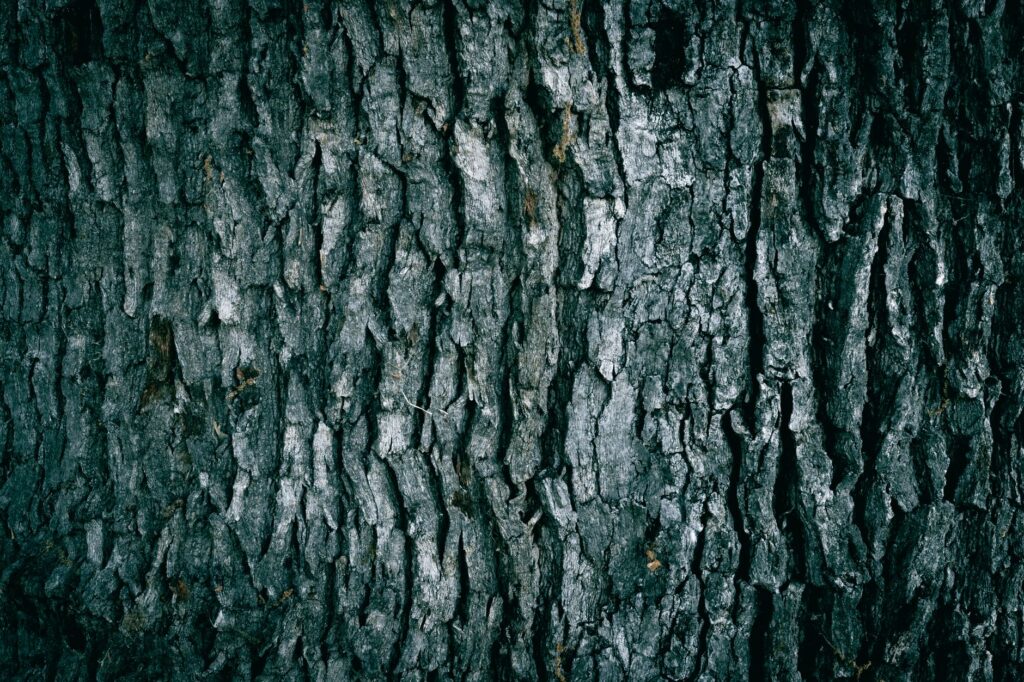
The first thing most people notice about a genuinely old tree is bark texture. Young bark on oaks, maples, and beeches is relatively smooth and shallow-grooved. With age, bark deepens and furrows into dramatic ridges and channels. On white oaks, old bark breaks into platy, almost scaly blocks. On tulip poplars, it develops deep interlacing ridges that can run six inches deep on very large specimens. These textures take decades to develop and can’t be mistaken for anything else once you’ve seen them.
Girth is your most reliable field measurement. Wrap a flexible tape around the trunk at 4.5 feet above the ground on the uphill side. Anything over 18 inches in diameter — that’s about 57 inches in circumference — on a slow-growing species deserves a closer look. For fast-growing species like silver maple or cottonwood, size is less diagnostic. You’ll need context clues: the age of surrounding structures, old aerial photographs, or a property survey to understand what you’re looking at.
Look up as well. Old trees often carry deadwood scattered through the outer canopy — not because the tree is dying, but because mature trees routinely shed branches they no longer need to carry. You’ll also see crown architecture unlike anything on a younger tree: wide, spreading, multi-limbed structures built over generations of growth and competition with neighbors. At the base, look for root buttressing where large lateral roots flare dramatically at the soil surface. And pay attention to cavities — openings in the trunk or major limbs that shelter birds, bats, and whole communities of insects. A cavity is not automatically a hazard. In an old tree, it’s often evidence of deep compartmentalization ability that has kept the tree standing through decades of storms.
Middletown's #1 Tree Expert Company
FREE Inspection & Estimate | Certified Arborists | Trimming, Pruning, Removal, More!
Sponsored
Where Middletown's Oldest Trees Are Found
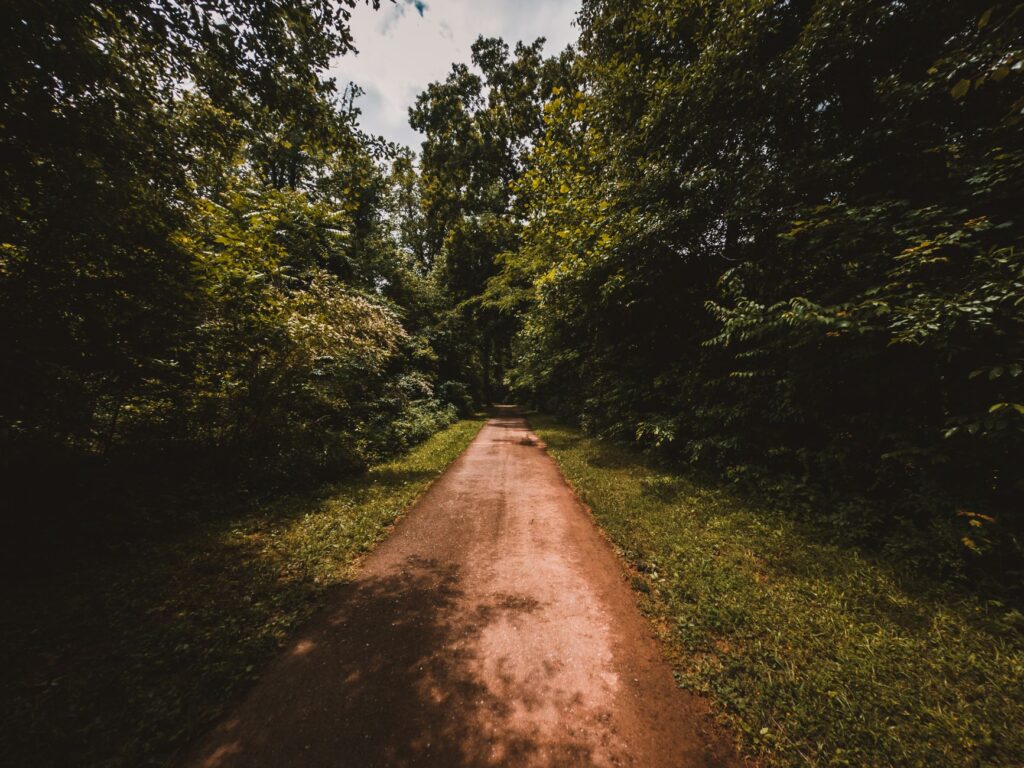
The most impressive old trees in Middletown tend to cluster in a few predictable places. Hartshorne Woods Park, with its steep ravines along the Navesink Highlands, sheltered trees from the axes that cleared most of Monmouth County during the 18th and 19th centuries. Some of the oaks there are genuinely old-growth — never harvested, never topped, never dramatically disturbed. Poricy Park along the Poricy Brook valley similarly preserves pockets of mature forest that escaped the plow. If you’ve walked those trails and felt something different about the forest, it’s because it is different: the canopy structure, the understory composition, and the sheer scale of the trees tell a story that spans several centuries.
But heritage trees don’t live only in parks. In Middletown Township, old farmsteads routinely left boundary oaks and sugar maples standing as fence-line markers, and those trees can be enormous today. Church grounds, old estate lots in neighborhoods like Lincroft and Oak Hill, and the edges of former agricultural land often hold remarkable surprises. A 30-inch DBH white oak in a residential backyard is not unusual in this township, and it’s worth knowing what you have before you make any decisions that could harm it.
The Monmouth County Park System manages several properties adjacent to residential areas where heritage trees create a visible boundary between managed landscapes and old forest. When mature trees on private lots align with park canopy, they form ecological corridors that support birds, pollinators, and wildlife moving through the Bayshore region — a function that park-boundary trees perform that no replanting program can replicate.
Why Old Trees Are Irreplaceable — and What They Mean for Your Property
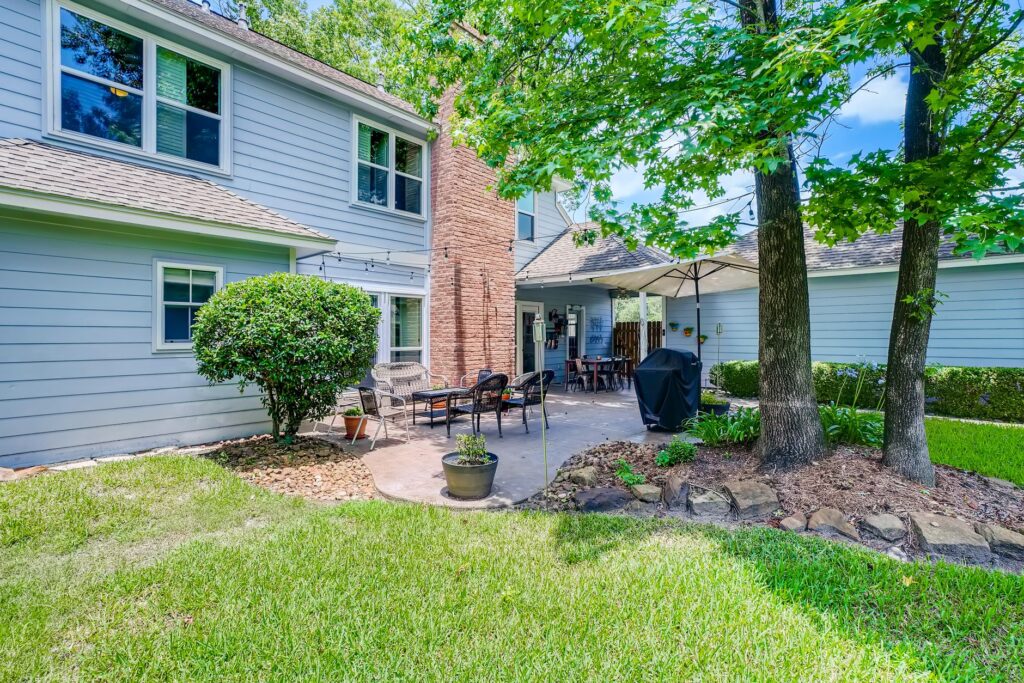
Here’s what no planting program can replicate: the biological complexity of a 200-year-old tree. According to resources published by the International Society of Arboriculture, mature trees support far more biodiversity than young ones — not just in their canopy, but in the soil around them. The mycorrhizal fungal networks centered on old trees connect surrounding plants and younger trees through underground chemical communication. Cavity-nesting birds and mammals — wood ducks, screech owls, flying squirrels, little brown bats — require cavities that only old trees produce naturally, and a cavity large enough for a wood duck takes at least 60 or 70 years of decay to develop.
The lichen and moss communities growing on old bark are their own miniature ecosystems, home to organisms found nowhere else in your yard. The carbon stored in a large white oak’s trunk, roots, and surrounding soil represents decades of atmospheric capture that would take another century to rebuild if the tree were removed. On a Middletown street in July, a mature oak canopy can drop surface temperatures beneath it by 10 to 15 degrees compared to an open lawn — a cooling effect you’d otherwise pay for with electricity.
Property value is real and measurable. ISA-certified appraisers use trunk formula methodology and other valuation approaches that routinely value large, healthy shade trees at $10,000 to $50,000 or more depending on species, condition, and location. The replacement cost of a 200-year-old tree is, in practical terms, infinite — no nursery sells them, and no planting gets you there in one human lifetime. That asymmetry is worth taking seriously before any project that might disturb a tree that size.
What Threatens Old Trees in Middletown — and What You Can Do
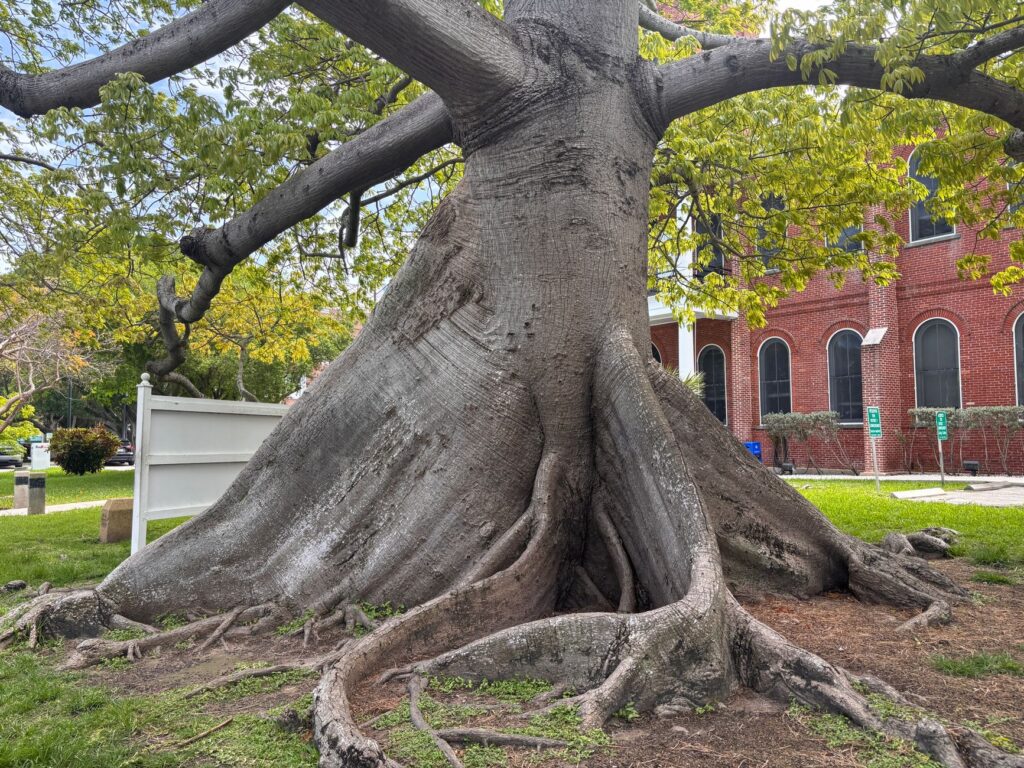
Summer is when old trees reveal stress most clearly. A heritage tree that came through winter and spring looking fine can show crown dieback, thin foliage, or early leaf drop by August if its root zone has been quietly compromised over the past several years. The most common threats in Middletown’s suburban landscape are gradual: soil compaction from foot traffic, parking, or construction activity within the drip line; grade changes from landscaping or home additions that buried the root collar; and herbicide drift from lawn treatments applied too close to the trunk.
Root zones are the most misunderstood part of old tree care. A large white oak’s roots can extend two to three times the radius of its canopy — far beyond the drip line that most homeowners think of as the tree’s footprint. Compaction in that zone limits oxygen and water infiltration, effectively suffocating fine roots over time. The fix is rarely dramatic: reduce foot traffic, avoid parking on root zones, add three to four inches of organic mulch over the root area without mounding it against the trunk, and protect the zone during any construction project with temporary fencing at or beyond the drip line.
Drought is a growing concern for Monmouth County’s old trees, particularly those in open sunny settings near the Bayshore. While mature trees have deeper root systems than young ones, they also have far greater total water demand across their entire crown. A prolonged dry stretch in July and August can tip an already-stressed heritage tree into accelerated decline. Deep, infrequent watering at the outer root zone — not daily sprinkler coverage over the turf — helps bridge drought gaps. Rutgers New Jersey Agricultural Experiment Station’s urban forestry research and extension resources offer detailed guidance on managing large trees during drought conditions specific to New Jersey soils and climate.
Middletown's #1 Tree Expert Company
FREE Inspection & Estimate | Certified Arborists | Trimming, Pruning, Removal, More!
Sponsored
When to Call a Certified Arborist for an Old Tree
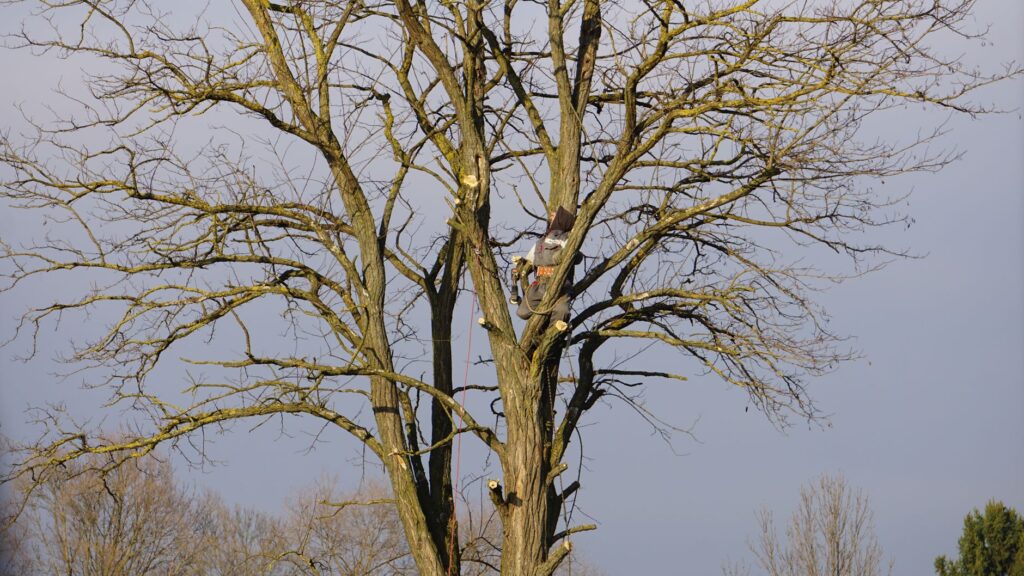
If you’re not sure whether the big tree on the edge of your property is something special, err on the side of finding out. A certified arborist can assess crown architecture, measure DBH, probe for internal decay with a resistograph, look for signs of root zone stress, and give you an honest read on what you have and what it needs. For a heritage-sized tree, that assessment is worth every dollar — not because every large tree requires intervention, but because knowing what you have puts you in control of what happens next.
Signs that an old tree needs professional attention sooner rather than later: unexpected crown dieback appearing this summer, large dead limbs hanging in the canopy, fungal conks or shelf mushrooms at the base or on major roots, visible cracks running vertically through the trunk or through major scaffold limbs, or any recent disturbance of the root zone from construction, trenching, or grade changes. None of these is an automatic death sentence for a mature tree, but all of them warrant a trained eye before the next nor’easter comes in off Raritan Bay.
The oldest trees in Middletown are not renewable resources on any meaningful timeline. They’re living infrastructure — seeded or planted long before the neighborhoods around them were mapped, irreplaceable on any schedule that matters to the people living here now. Knowing what you have, protecting the root zone, and calling in expert help when the tree shows signs of stress are the three commitments that give a heritage tree the best chance of outlasting all of us.
Photo credits: Featured image by Alexandr Meadow on Pexels; Section 1 by Nils Rotura on Pexels; Section 2 by cottonbro studio on Pexels; Section 3 by Wyxina Tresse on Pexels; Section 4 by K on Pexels; Section 5 by Allyson SALNESS on Pexels; Section 6 by Kaushik Mahadevan on Pexels; Section 7 by Dmytro Glazunov on Pexels.