Middletown's #1 Tree Expert Company
FREE Inspection & Estimate | Certified Arborists | Trimming, Pruning, Removal, More!
Sponsored
June Heat and the Problem Hidden Beneath Your Lawn
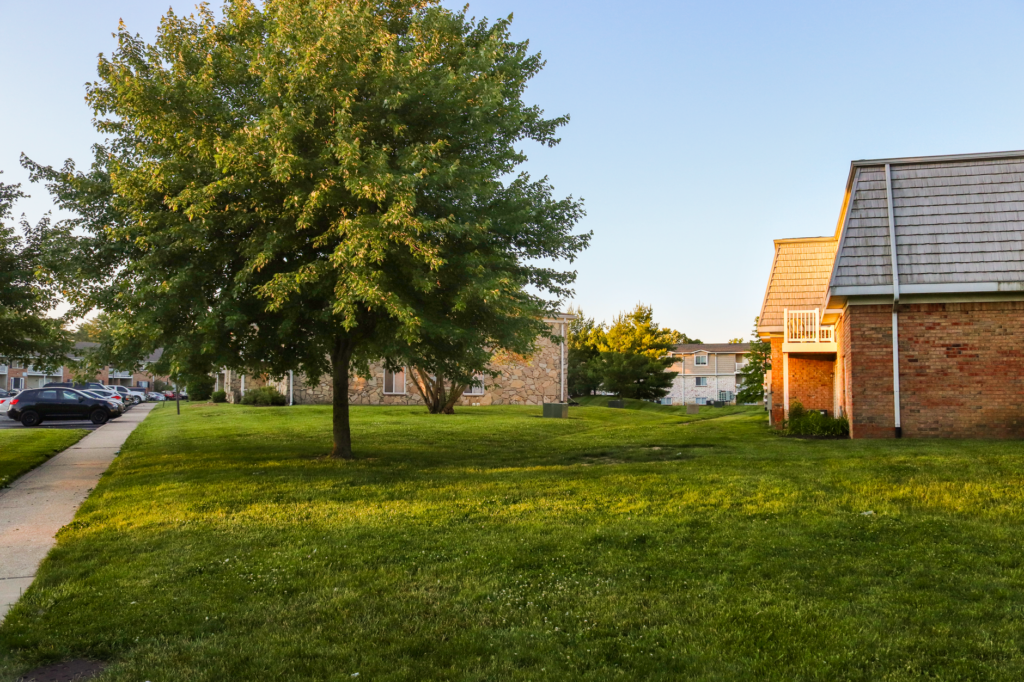
Every June, I field the same kind of call from Middletown homeowners: the tree looked fine in April, started budding normally, and now it’s dropping leaves early or the canopy looks thin. We check for pests, look at the bark, test the soil pH — and often the real culprit is right beneath our feet. Not a bug, not a fungus, but compacted soil slowly choking the root zone.
Middletown Township’s clay-heavy soils are naturally prone to compaction. Add summer foot traffic, seasonal dry spells, and the weight of decades of lawn mowers rolling over the same ground, and you have a recipe for invisible tree stress. The trees most at risk right now are the ones that look perfectly fine — until they suddenly don’t.
This is the summer stressor that most homeowners never consider, and it’s worth understanding before the full heat of July and August arrives. Knowing what soil compaction is, how to spot it, and what you can actually do about it is some of the most useful tree knowledge a Middletown homeowner can have.
What Soil Compaction Actually Means for Tree Roots
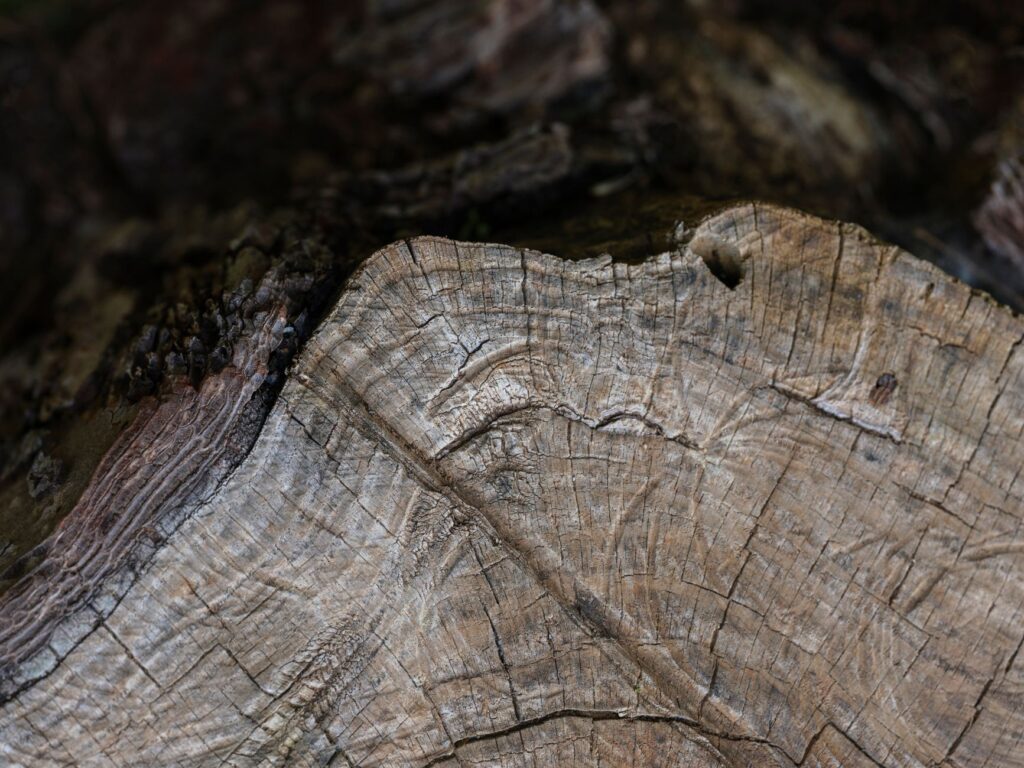
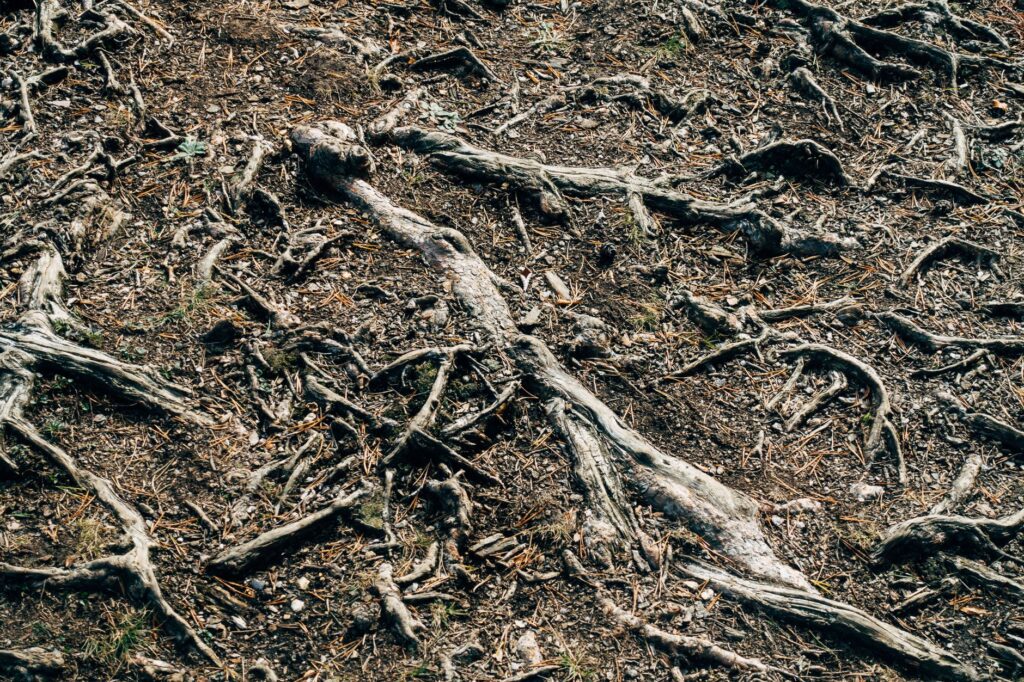
Healthy soil isn’t just dirt — it’s a structure full of pore spaces, tiny air pockets that hold oxygen, water, and the biological activity that feeds tree roots. When those pore spaces collapse under pressure or repeated traffic, you get compacted soil: denser, harder ground that repels water, holds less air, and makes it nearly impossible for fine feeder roots to grow and spread.
Middletown sits on coastal plain and Piedmont-influenced soils that are often heavy with clay — great for moisture retention during dry spells, but among the first to compact when weight is applied. According to Rutgers NJAES, clay-dominated soils are particularly vulnerable because their particle structure is flat and platey — they pack together like stacked plates under pressure, leaving almost no room for air or water movement.
Fine feeder roots — the small, hair-like roots that actually absorb water and nutrients — grow in the top 12 to 18 inches of soil. That’s exactly the zone that compaction affects most. When that zone becomes brick-hard, a tree essentially starves in place, even when nutrients are present in the soil below. The effect isn’t immediate; it builds slowly, which is why so many homeowners are blindsided when a tree that looked healthy for years begins to decline.
The Everyday Activities That Compact Soil Around Middletown Trees
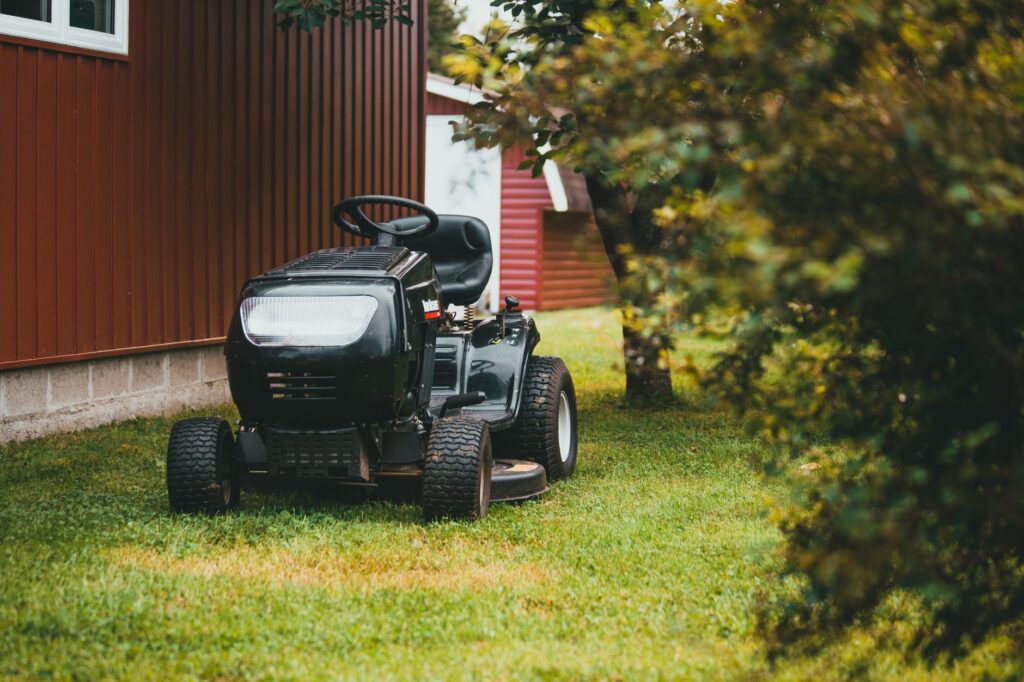
You don’t need a bulldozer to compact soil around a tree. In suburban Middletown yards, it happens slowly and invisibly over years of ordinary life. The biggest culprits:
- Foot traffic. Kids running through the yard, pets, and lawn maintenance routes that cross the same ground week after week — every pass compresses soil a little more. The area within 10 to 15 feet of a large tree’s trunk is the most critical zone, and it often gets the most foot traffic.
- Lawn mowing. Riding mowers are surprisingly heavy. A full-size zero-turn mower can weigh 600 to 800 pounds. Running one over the same path every week for ten years does real and cumulative damage to the root zone beneath.
- Parking on the lawn. Even occasionally. A car weighs 3,000 to 4,000 pounds — a single parking episode near a tree can cause lasting compaction that persists for years.
- Summer dry spells. When Middletown’s clay-loam soils dry out in July, they crack and then reset in a denser state. Each rain-and-dry cycle can ratchet up compaction if the soil has already been disturbed by traffic or prior construction.
- Past grading or construction. A driveway extension, a new patio, soil grading after a renovation — work done years or decades ago can leave compaction that persists long after the equipment is gone.
Walk near the picnic areas at Thompson Park or along the trailheads at Poricy Park and look at the trees closest to the paths. You’ll see more stressed canopies on the trail-adjacent side — a visible, real-world reminder of how much foot pressure accumulates over time in these soils.
Middletown's #1 Tree Expert Company
FREE Inspection & Estimate | Certified Arborists | Trimming, Pruning, Removal, More!
Sponsored
How Compacted Soil Starves Trees — Even in a Wet Year
Tree roots need oxygen to function. Most homeowners know roots need water, but oxygen is equally critical. In healthy soil, roughly 50 percent of the volume is pore space — part air, part water. When soil compacts, pore space shrinks dramatically. Oxygen levels drop, carbon dioxide builds up, and the fine feeder roots responsible for absorbing water and nutrients begin to suffocate.
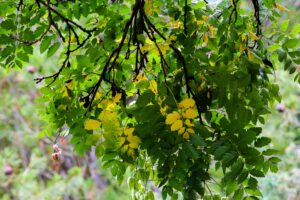
What makes this insidious is that symptoms often appear years after the compaction event. A tree can cope for a season or two on stored energy reserves, then slowly start to show decline: thin canopy, undersized leaves, early fall color, progressive branch dieback from the tips inward. By the time the symptoms are obvious, the root zone may have been compromised for three to five years.
Summer heat makes everything worse. The USDA Forest Service’s urban forestry program has documented that trees in compacted urban soils have significantly shorter lifespans than trees in undisturbed or well-managed soil — often shorter by decades. In Middletown, where mature white oaks (Quercus alba) and red maples (Acer rubrum) are already navigating coastal plain drought cycles and summer heat events, compacted soil can be the difference between a tree that thrives and one that slowly fails over the next ten years.
It’s also worth understanding the scope of the affected zone. Tree roots extend well beyond the canopy edge — often one to two times the height of the tree in radius. A 40-foot white oak may have a functional root zone extending 40 to 80 feet from the trunk. Compaction anywhere in that zone can affect the tree’s ability to absorb water and nutrients when summer heat peaks.
The Screwdriver Test: How to Check Your Soil Right Now
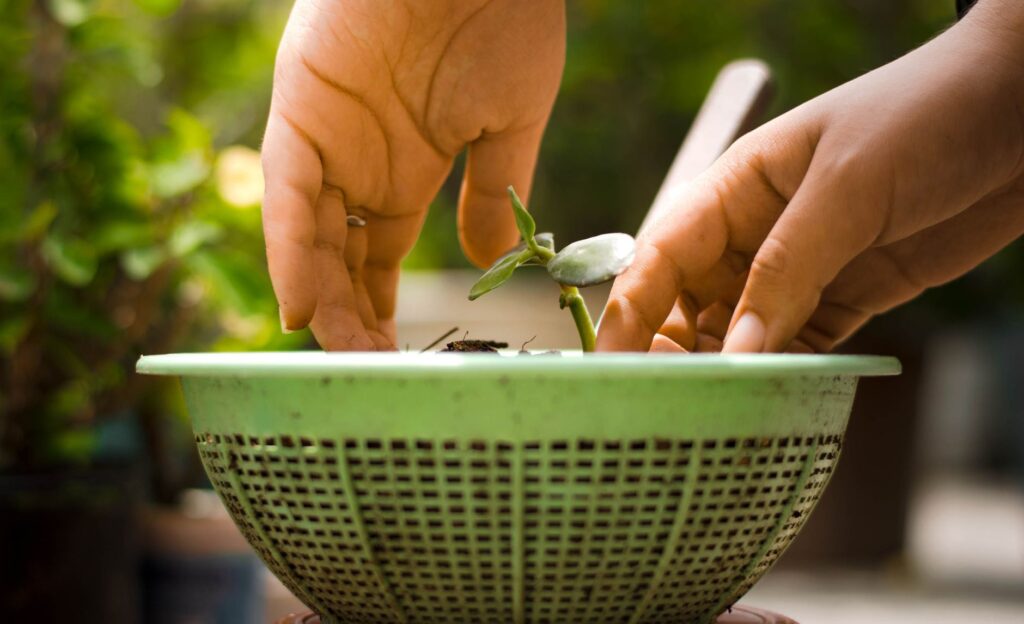
You don’t need lab equipment to get a rough sense of whether your soil is compacted. Here are two simple field tests any homeowner can do today, before calling anyone:
- The screwdriver test. Take a standard long-blade screwdriver and push it into the soil by hand — no hammer, just hand pressure — to a depth of about 6 inches in several spots around the tree, from the trunk out to the drip line. In healthy, uncompacted soil, this should be easy and smooth. If you meet firm resistance within the first 2 to 3 inches, you likely have significant compaction. If you can barely get it in at all, the root zone has a serious problem worth addressing soon.
- The water infiltration test. Pour a bucket of water slowly over the root zone and watch what happens. In healthy soil, water absorbs within a minute or two and disappears. If it pools on the surface for five minutes or longer before soaking in, compaction is limiting infiltration — and your tree roots are not getting the moisture they need from rain events, even in a normal summer.
Look also for visual cues: cracked, hardpan soil surface under the canopy in summer; moss patches on bare, waterlogged soil between the roots (a classic sign of poor drainage); puddles that form in the same spot after every rain. These patterns develop because compacted soil behaves more like pavement than a living root environment.
The International Society of Arboriculture recommends identifying and protecting a tree’s “critical root zone” — roughly the area within a radius of one foot for every inch of trunk diameter. This is the zone where compaction is most damaging and most worth monitoring. For a white oak with a 24-inch trunk diameter, that’s a 24-foot radius circle — an area most homeowners are actively using without realizing it.
Protecting Your Tree’s Root Zone: What Homeowners Can Do Now
If your screwdriver test turned up compacted soil, or you know your tree has taken years of foot traffic, you have options — some you can take care of yourself this weekend, others that call for professional help.
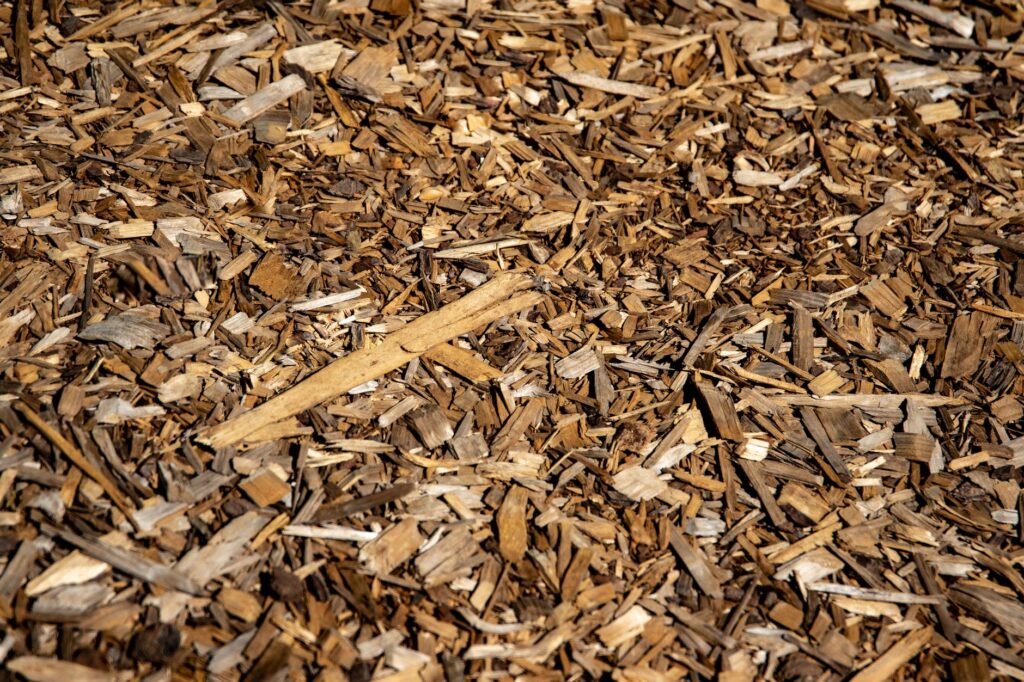
- Apply a proper mulch ring. This is the single highest-impact DIY step available to a homeowner. A 3- to 4-inch layer of coarse wood chip mulch over the root zone cushions future foot traffic, retains moisture, insulates roots from summer heat, and gradually improves soil structure as it breaks down. Extend the mulch ring as far toward the drip line as you reasonably can. Keep it 3 to 4 inches away from the trunk — no mulch volcanoes.
- Redirect foot traffic. Installing stepping stones or a defined pathway through a planting area keeps people off the root zone. It works, it looks intentional, and it’s one of the simplest protective steps you can take.
- Stop parking on lawn near trees. If overflow parking near a tree is unavoidable, gravel or permeable pavers over a compactible gravel base cause dramatically less harm than repeated vehicle weight on bare soil.
- Choose core aeration over spike aeration. If you aerate your lawn, use a core aerator (which removes a plug of soil) rather than a spike aerator (which forces soil sideways and can worsen compaction around roots). Limit aeration passes within the tree’s critical root zone.
For established compaction around a mature tree, these steps help prevent further damage but won’t fully reverse deep compaction on their own. That’s when professional intervention becomes the most effective path forward. A certified arborist can evaluate the actual depth and severity of compaction and determine whether the tree’s root system has already been meaningfully compromised.
Middletown's #1 Tree Expert Company
FREE Inspection & Estimate | Certified Arborists | Trimming, Pruning, Removal, More!
Sponsored
When Compacted Soil Requires a Professional
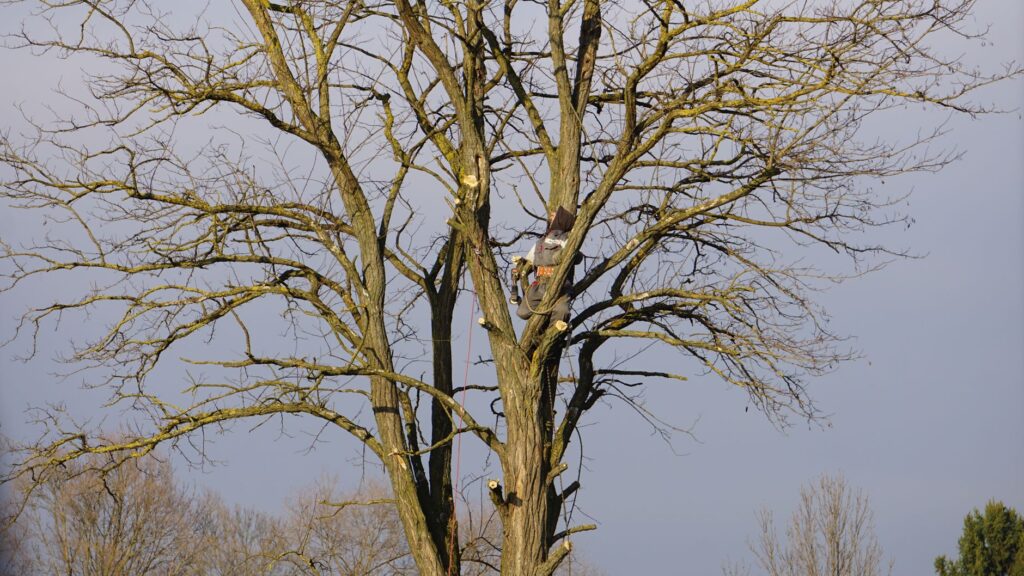
Soil compaction rewards early attention and punishes neglect. If your trees are showing decline — thin canopy, undersized leaves, branch dieback, slow deterioration after a construction project or major landscaping work — and your field tests confirm compacted soil, it’s worth a professional evaluation before the decline advances further.
A certified arborist can probe the root zone, evaluate how deeply compaction extends, and recommend treatment appropriate to the tree’s size, species, and current health status. In significant cases, air spading — using high-pressure air to gently fracture compacted soil without damaging roots — can restore pore space and oxygen access in ways no surface treatment can match. Vertical mulching (drilling a grid of holes through the root zone and filling them with compost and coarse wood chips) is another professional technique that meaningfully rehabilitates a stressed root zone over time.
Middletown’s mature canopy trees — old white oaks, large red maples, established tulip poplars — represent genuine value that takes generations to replace. Rutgers Cooperative Extension consistently notes that mature trees provide cooling, stormwater management, wildlife habitat, and property value benefits that no newly planted sapling can replicate for decades. Protecting the root zone these trees depend on is one of the most cost-effective investments a Middletown homeowner can make.
Summer is the time to act — before fall dormancy, before next year’s growth flush starts on an already-stressed root system. Run the screwdriver test this week. If your results concern you, have a certified arborist take a look. The soil beneath your trees is where their future is being decided, quietly, right now.
Photo credits: Featured image by Markus Winkler on Pexels; Section 1 by Tyler Mascola on Pexels; Section 2 by Engin Akyurt on Pexels; Section 3 by Erik Mclean on Pexels; Section 4 by Dan Bleden on Pexels; Section 5 by Karoll Amado Mora on Pexels; Section 6 by Magda Ehlers on Pexels; Section 7 by Dmytro Glazunov on Pexels.