Middletown's #1 Tree Expert Company
FREE Inspection & Estimate | Certified Arborists | Trimming, Pruning, Removal, More!
Sponsored
The Summer Pruning Window Most Middletown Homeowners Miss
Every June I get the same call: a homeowner has been staring at an overgrown crabapple or a forked red maple with water sprouts shooting out in every direction, and they want to know if it’s okay to cut it now. The short answer is yes — summer is actually one of the best times to do certain kinds of pruning. The longer answer is that it depends entirely on which tree, which cuts, and why.
In Middletown Township, where we deal with a real mix of upland hardwoods, Bayshore coastal conditions, and a lot of suburban plantings crammed into tight yards, summer pruning is a valuable tool when it’s used correctly. Done right, it can improve structure, remove hazards, and help stressed trees redirect their energy. Done wrong — especially on the wrong species at the wrong time — it can invite disease, open wounds that won’t close before winter, and in the case of oaks, trigger a fatal infection.
Here’s what I tell every homeowner who asks me: understand the rules first, then grab the loppers.
What Summer Pruning Actually Does Well
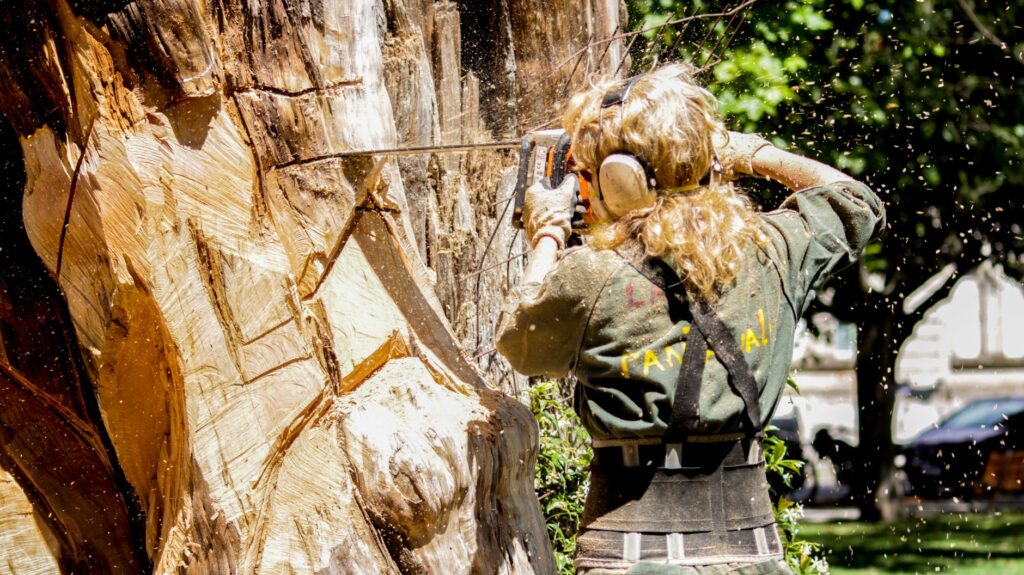
Once trees leaf out in late May and June, you can see things you simply can’t see in winter. Dead branches stand out sharply against a full green canopy. Crossing limbs become obvious. Water sprouts — those vigorous, upright shoots that erupt from pruning wounds or the base of branches — are everywhere and easy to spot. This is one reason late spring through midsummer is a genuinely useful pruning window for most deciduous trees in New Jersey.
Removing dead, diseased, or damaged wood anytime during summer is almost always safe and beneficial. Dead limbs don’t have any healing response to trigger, they don’t bleed sap, and they aren’t connected to the tree’s active vascular system. Getting them out now reduces the risk of failure before July’s thunderstorms roll through — and Middletown gets plenty of those, especially in neighborhoods close to the Navesink and Raritan Bay corridors where afternoon convective storms intensify.
Water sprouts and root suckers are also ideal candidates for summer removal. These rapid-growth shoots drain energy from the rest of the tree and rarely develop into structurally sound wood. Cutting them cleanly in June, when the tree is fully in leaf, slightly slows regrowth compared to winter removal, because you’re reducing the total photosynthetic capacity the tree can put toward flushing new shoots. It’s not a one-time fix — you’ll likely see them again next year — but it’s a sound seasonal habit.
Light structural pruning on most shade trees — removing a poorly attached codominant stem, thinning a crowded branch union, shortening a limb that’s overhanging a roofline — is workable through early summer. The wounds callus more slowly in summer heat than in spring, but trees that are otherwise healthy will still respond appropriately. The International Society of Arboriculture recommends matching pruning to the tree’s growth stage, and early summer — before peak heat stress hits in July and August — is a reasonable window for this kind of work.
The Oak Rule: Non-Negotiable in Monmouth County
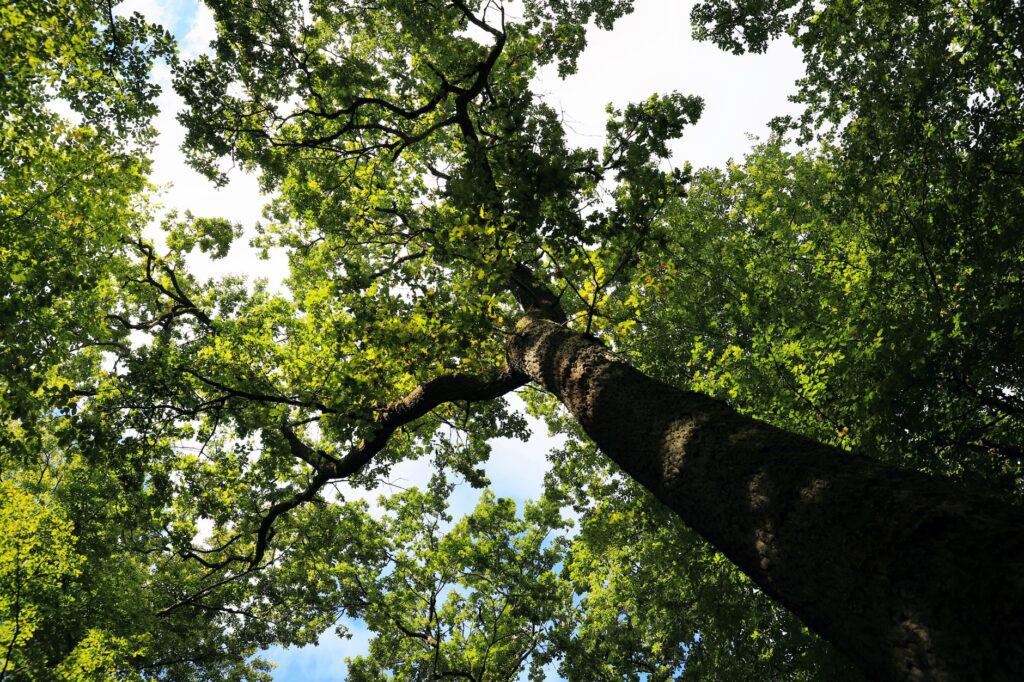
If you have oaks on your property — and in Middletown, with its Hartshorne Woods, Tatum Park, and all those mature white oaks (Quercus alba) and red oaks (Quercus rubra) lining the older neighborhoods — this is the rule you must know: do not prune oaks between April and August.
Oak wilt, caused by the fungal pathogen Bretziella fagacearum, spreads through two routes. One is root grafts between neighboring trees. The other is through sap-feeding bark beetles that are attracted to fresh pruning wounds during the growing season. These beetles pick up fungal spores from infected trees and carry them directly into your oak’s vascular system through the cut. The disease can kill a red oak within a single season. White oaks are more resistant but not immune.
New Jersey is not yet in the oak wilt epicenter, but the disease has been documented in the state and the risk window is very real. The USDA Forest Service tracks oak wilt distribution and considers it an increasing threat across the Northeast. The safest position for any Middletown homeowner with oaks is simple: plan all oak pruning for November through March, when the beetles are inactive and wounds can begin closing before warm weather returns.
If an oak branch breaks in a storm or fails for structural reasons during summer, that’s a different situation — an emergency cut is unavoidable. In that case, paint the wound immediately with a pruning sealant. This is one of the only situations where sealant provides meaningful protection, specifically to reduce beetle attraction to the fresh wound surface. But if you’re simply thinking about cleaning up your oak’s crown this weekend, wait until winter.
Middletown's #1 Tree Expert Company
FREE Inspection & Estimate | Certified Arborists | Trimming, Pruning, Removal, More!
Sponsored
Other Trees Worth Being Careful With in Summer
Oaks get the most attention, but they’re not the only trees worth being careful with during the summer pruning window. Elms should be pruned in winter when possible, as Dutch elm disease also spreads via bark beetles drawn to fresh wounds. Though American elms (Ulmus americana) are rare in Middletown today, the disease-resistant cultivars planted in newer developments still benefit from dormant-season pruning as a reasonable precaution.
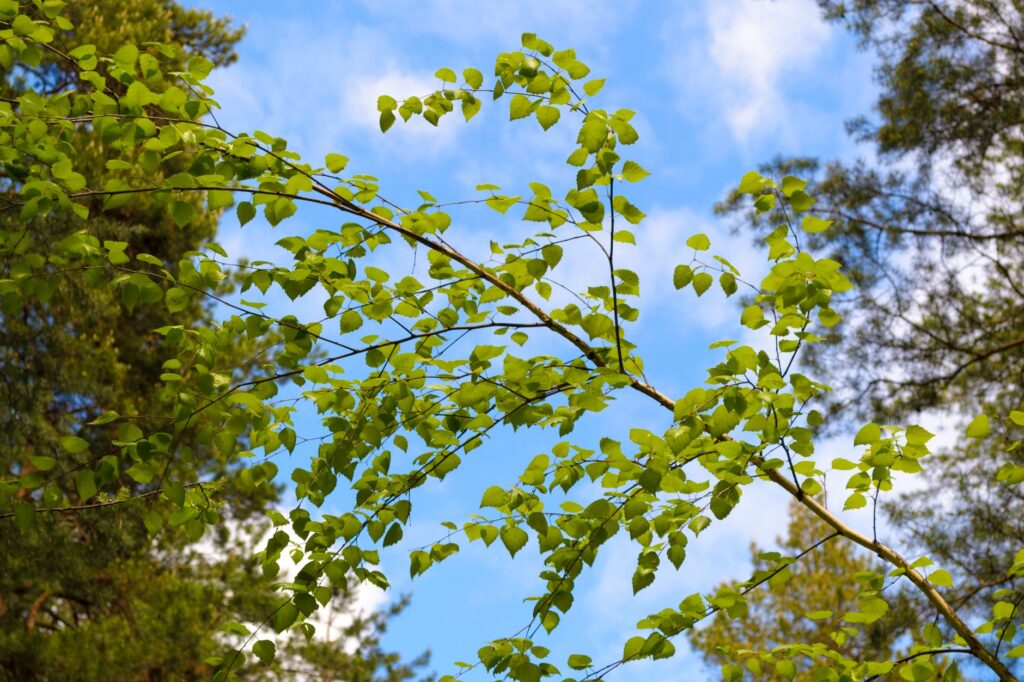
Birches (Betula spp.) are better pruned in late winter or early spring. Summer pruning can attract bronze birch borers, which are already a significant threat in Monmouth County — borers are drawn to stressed trees, and fresh wounding can create additional entry points. If you already have a birch showing thinning or dieback in the upper crown, the last thing it needs in summer is added wounding stress.
Heavy pruning of any tree in July and August — the peak heat stress period for NJ landscapes — is generally inadvisable regardless of species. Large wounds opened in midsummer heat close slowly, and a tree already dealing with drought stress has less energy to mount a proper compartmentalization response. Rutgers Cooperative Extension’s home and garden resources consistently emphasize matching tree care timing to the plant’s actual stress level, not just the calendar month. That’s the principle that matters most here.
How to Make a Clean Cut — The One Thing That Matters More Than Timing
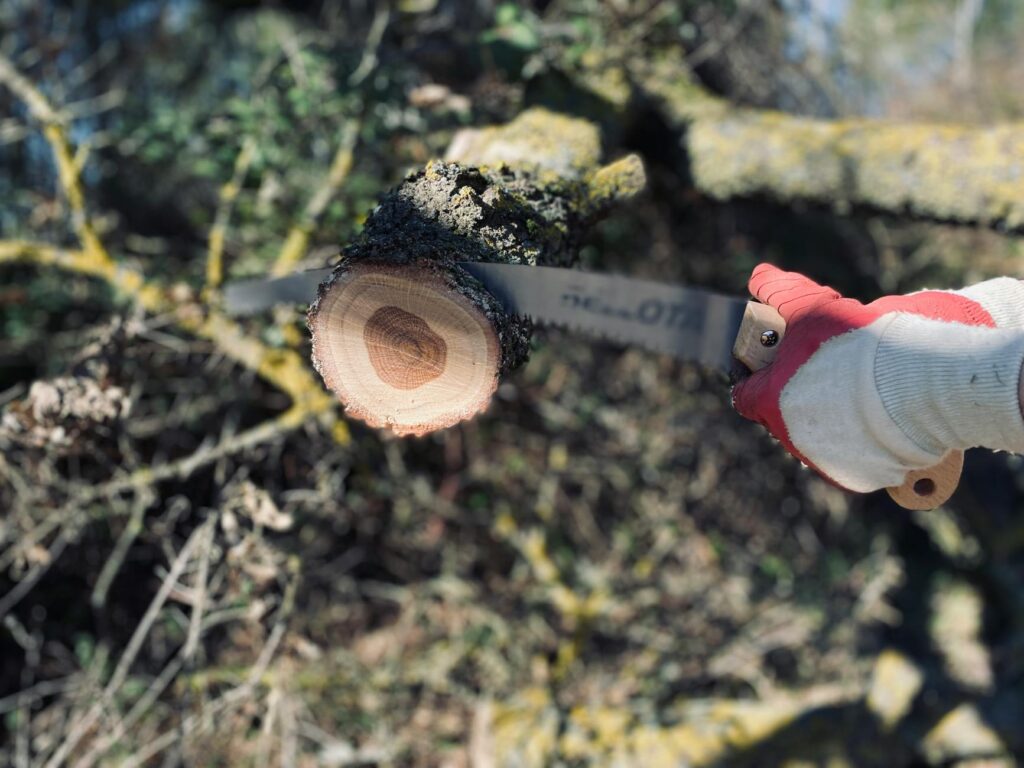
However good your timing is, a bad pruning cut can undo all of it. The single most important factor in how quickly and completely a tree heals a wound is whether the cut was made correctly — at the branch collar, with a clean tool, removing the branch without leaving a stub or tearing the bark.
The branch collar is the swollen ring of tissue at the base of every branch where it meets the trunk or parent limb. This collar contains the specialized cells the tree uses to grow callus tissue over a wound. If you cut flush with the trunk, you destroy those cells. If you leave a long stub beyond the collar, the tree can’t reach the wound to close it, and decay sets in from the stub inward. Both mistakes are among the most common I see on DIY pruning jobs across Middletown.
For branches more than about an inch in diameter, use the three-cut method: make a small undercut about a foot out from the collar, then cut from the top just outside that to remove the bulk of the branch weight, and finally make your finish cut just outside the collar. This prevents the branch from tearing bark as its weight drops. Use sharp, clean tools — a bypass pruner or quality pruning saw — and wipe them down with rubbing alcohol between trees, especially if you’re working around any diseased material. This isn’t overkill; it’s the same protocol a certified arborist uses on every job.
Skip pruning paint or wound dressings on most cuts. Despite decades of conventional wisdom, research has consistently shown these products don’t speed healing and can actually trap moisture and harbor pathogens. The exception is emergency cuts on oaks in summer, as noted above — the one case where reducing beetle attraction outweighs the minimal downside of sealing.
Reading What Your Trees Are Telling You This June
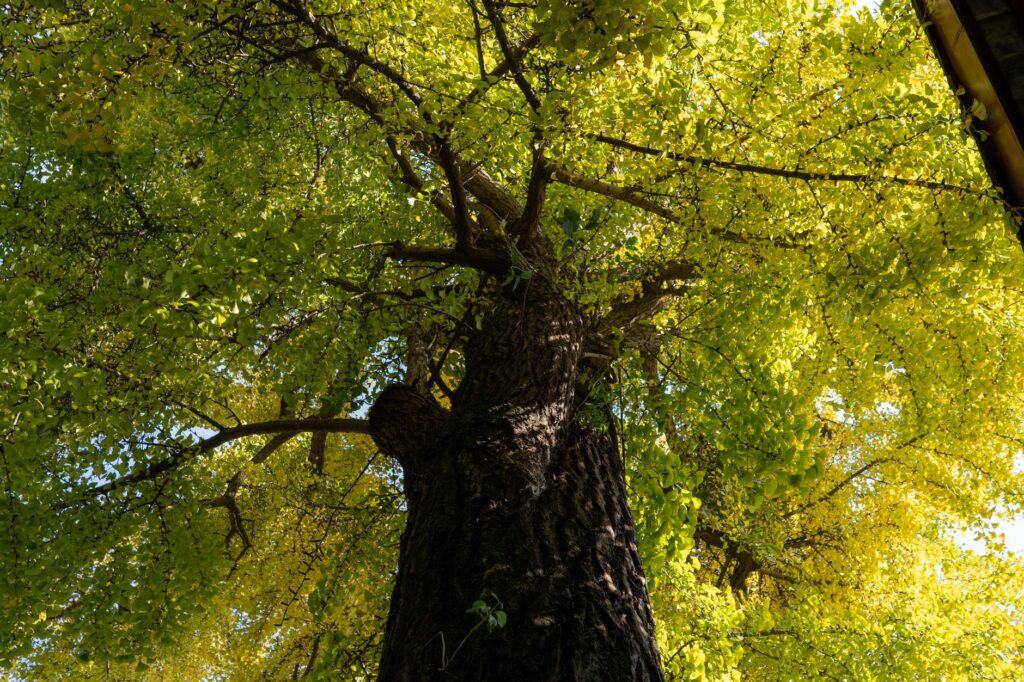
One of the underused benefits of getting out and working with your trees in June — whether you’re doing it yourself or having an arborist out — is the diagnostic opportunity the full canopy provides. Trees in full leaf communicate a lot that’s invisible in winter. This is the time to look, not just cut.
Are there branches with noticeably smaller leaves than the rest of the crown? That’s often a sign of root stress, early vascular decline, or girdling — the same branch that’s struggling in June is often the one that fails in a July storm. Are there sections of bark that look sunken, discolored, or weeping amber sap? Cankers and fungal infections are frequently more visible now than at any other time of year. Are water sprouts erupting from a spot where there was a large cut a few years back? That’s the tree trying to restore canopy it lost — worth understanding before you cut again in the same area.
Even if you’re not planning any significant work this week, walking your property with a diagnostic eye in early June is one of the most valuable things a Middletown homeowner can do. The trees near Poricy Park, along the older streets of Lincroft and Atlantic Highlands, and bordering Hartshorne Woods have been accumulating history for decades. Catching a structural problem or early disease sign now is far less expensive than addressing a failure after the fact.
Middletown's #1 Tree Expert Company
FREE Inspection & Estimate | Certified Arborists | Trimming, Pruning, Removal, More!
Sponsored
Summary: When to Call a Certified Arborist
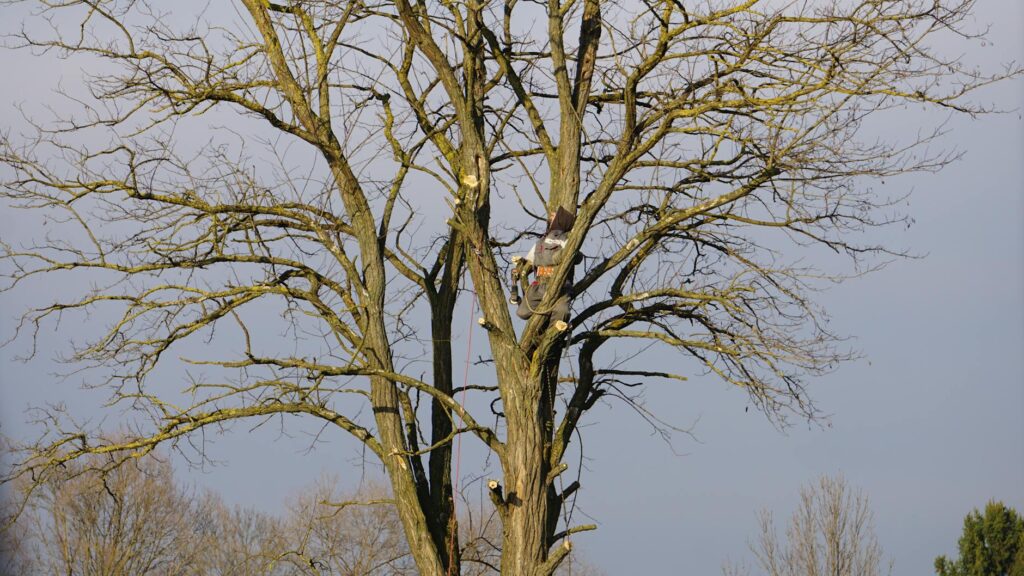
Summer pruning isn’t a seasonal free-for-all, but it’s also not the minefield some homeowners fear it is. For most tree work in Middletown in June and July, the basic rules hold: remove dead and damaged wood anytime, leave oaks alone until winter, make clean cuts at the branch collar, and avoid heavy work on trees already showing drought or heat stress.
Anything above roughly ten feet off the ground, any work that requires a chainsaw or involves removing significant live wood, or any situation where you’re not certain about the species or the underlying problem — that’s when a certified arborist earns their keep. ISA-certified arborists are trained to assess structural integrity, recognize disease in context, and plan pruning that genuinely helps a tree rather than just tidying up its silhouette. The International Society of Arboriculture’s Find an Arborist tool can help you locate credentialed professionals working in Monmouth County.
Summer moves fast on the Bayshore. The trees feel every week of it, and so do the homeowners who lose a limb to a July storm they could have prevented. Whether you’re handling a few small cuts yourself or planning a larger project before fall storm season, getting the timing and technique right this June sets your trees up for a strong finish to the growing season.
Photo credits: Featured image by Dmytro Glazunov on Pexels; Section 1 by Thomas P on Pexels; Section 2 by Gastón Mousist on Pexels; Section 3 by Christina & Peter on Pexels; Section 4 by Mikhail Peace on Pexels; Section 5 by susana MaRo on Pexels; Section 6 by Peter Xie on Pexels; Section 7 by Dmytro Glazunov on Pexels.