Middletown's #1 Tree Expert Company
FREE Inspection & Estimate | Certified Arborists | Trimming, Pruning, Removal, More!
Sponsored
When the Leaves Come Out, the Neighbor Calls Begin
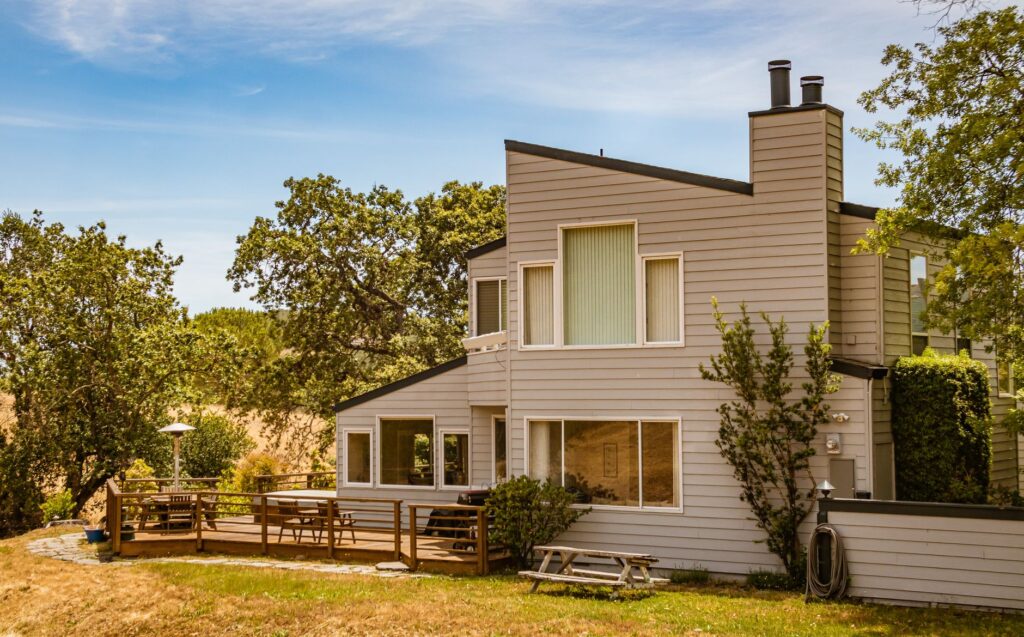
By late May in Middletown, the red maples and oaks are in full summer leaf, and suddenly you can see things you couldn’t see since November. Specifically, you can see that three major limbs from the silver maple next door have been quietly arching 25 feet over your garage all winter — and one of them doesn’t look right.
This is the season when I start getting calls not just from people worried about their own trees, but from people worried about their neighbors’ trees. They want to know: can I trim that branch back myself? If it falls on my car, am I stuck with the bill? What if my neighbor ignores me when I bring it up?
The answers aren’t always cut-and-dried, but New Jersey has a fairly clear set of rules that every Middletown homeowner should know before a tree problem becomes a neighbor problem — or a legal one. Understanding what you can do, what you can document, and when to call a professional can save you a lot of money and a lot of tension on your street.
NJ's Self-Help Rule: You Can Trim to the Property Line
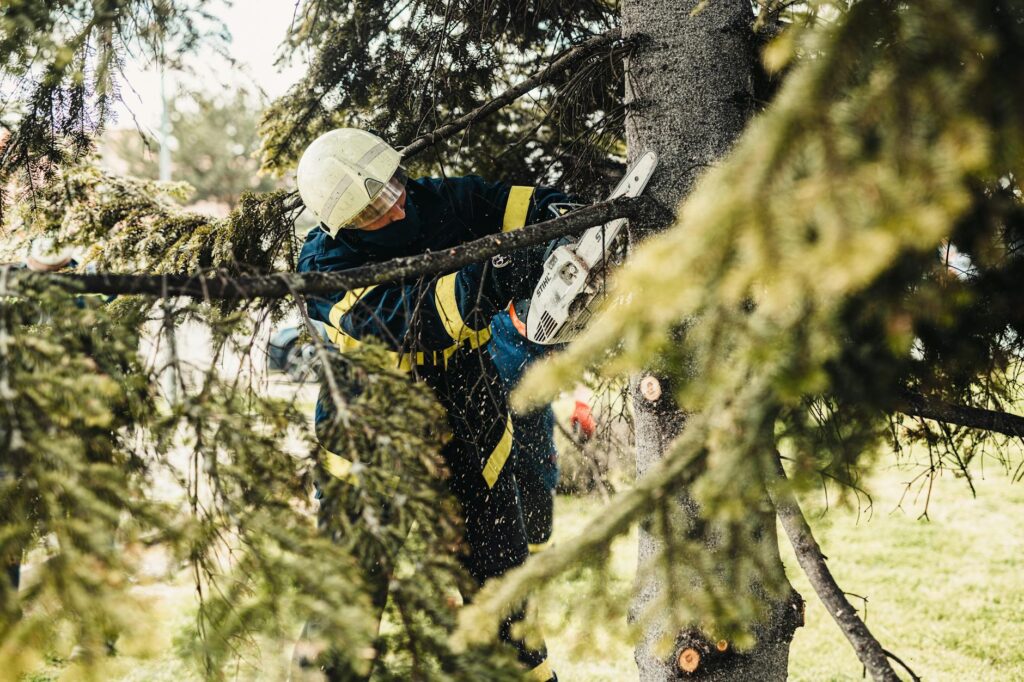
Under New Jersey common law, you have what’s called a “self-help” right when it comes to a neighbor’s encroaching branches or roots. If their tree extends limbs or roots onto your property, you are legally permitted to cut them back to the property line — at your own expense, without needing the neighbor’s permission, and without going onto their land.
This doctrine has been upheld in NJ courts for decades and remains the operative rule for residential disputes. But self-help has important limits that homeowners frequently underestimate:
- You cannot enter your neighbor’s property to do the work without their explicit permission
- You cannot cut so severely that you kill the tree — doing so could expose you to liability for the tree’s value
- You cannot remove limbs that don’t actually cross your property line, even if they shade your yard
- Your right applies to branches and roots, not to the tree as a whole
For small branches at low heights, careful DIY trimming may be reasonable. But for large limbs over a roof or a structure, this work should be done by a licensed, insured tree company that can make proper structural cuts without harming the host tree. The International Society of Arboriculture’s tree owner resources outline the responsibilities that come with owning trees near property lines — the same standards apply whether it’s your tree or the neighbor’s.
When Does Your Neighbor Actually Bear Liability?
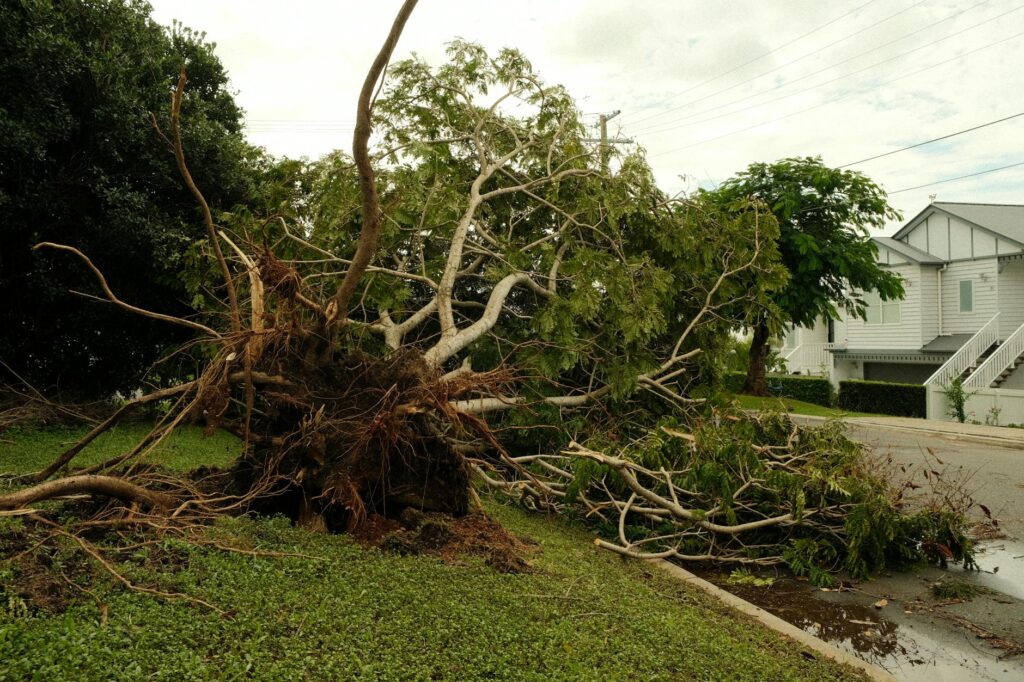
This is the most common question I hear: if that limb falls and crushes my fence or my car, is my neighbor on the hook? The honest answer is: it depends, and one factor matters more than almost anything else — whether the tree was visibly defective before it fell.
Under NJ law, a neighbor is generally not liable for damage caused by a healthy tree that fails during a storm. Wind events are considered acts of nature, and trees can fail without warning even when they appear sound. But a neighbor can be held liable when:
- The tree was visibly dead, dying, or structurally compromised before it fell
- The neighbor had been previously notified — ideally in writing — that you considered the tree a hazard
- A reasonable homeowner would have recognized the danger, and a certified arborist would confirm the defect was pre-existing
This is the “negligent tree” doctrine, and notification is its cornerstone. If you send your neighbor a certified letter stating you believe their hollow or leaning tree poses a risk, and they do nothing, and that tree later causes damage — you’ve built a meaningful legal case. If you said nothing and waited, you have much weaker ground regardless of how obvious the problem seemed.
Monmouth County homeowners should also check their own homeowner’s insurance policy. Many policies cover damage from a neighbor’s fallen tree even when the neighbor isn’t legally liable — but coverage varies, and knowing your policy before something happens is far better than discovering the gaps after.
Middletown's #1 Tree Expert Company
FREE Inspection & Estimate | Certified Arborists | Trimming, Pruning, Removal, More!
Sponsored
Boundary Trees: When the Trunk Is on the Line
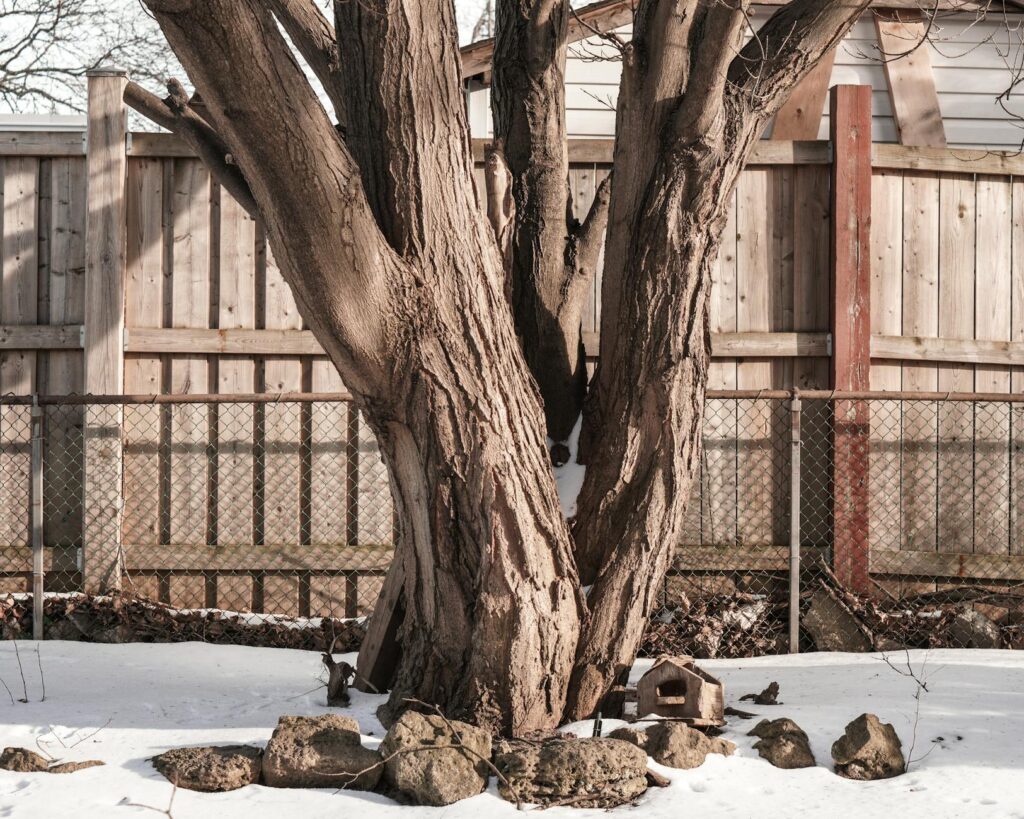
A special situation arises when a tree’s trunk physically straddles the property line. Under New Jersey law, this is called a “boundary tree,” and it is co-owned by both neighbors — regardless of which side the canopy favors or which yard it primarily shades.
Co-ownership has significant implications: neither homeowner can remove the tree, heavily prune it, or otherwise substantially alter it without the other’s consent. This is true even if most of the canopy overhangs your yard and you’re the one raking its leaves every fall.
In older Middletown neighborhoods — particularly the established streets near Lincroft, Navesink, and the older sections of Middletown Village — it’s not uncommon to encounter substantial trees planted decades ago whose trunks have grown to span a lot line. A white oak (Quercus alba) or sugar maple (Acer saccharum) with a 36-inch trunk might sit squarely on the boundary, and both homeowners are equally its stewards.
If a boundary tree is hazardous and one neighbor wants it removed but the other refuses, the path forward usually requires negotiation — or legal action. A written agreement between both parties, backed by a certified arborist’s assessment from a neutral third party, is the most practical way to authorize necessary work and divide the cost fairly. It also protects both homeowners if the tree is later involved in a claim.
How to Notify Your Neighbor the Right Way

If you believe a neighbor’s tree genuinely threatens your property, a conversation over the back fence is a good first step — but it can’t be your only step. Verbal agreements are hard to prove, memories diverge, and goodwill fades. Put your concern in writing and send it via certified mail so you have documented proof of delivery and date.
A good notification letter doesn’t need to be hostile or legalistic. A clear, factual, respectful note often gets better results than a threatening one. Include:
- A description of the tree — location, approximate size, species if you know it
- What you observed: dead limbs, a hollow or soft section of trunk, a significant lean toward your structure, weeping sap, or other visible signs of structural concern
- Your concern that this may pose a risk to your property or to people on your property
- A request that they have the tree professionally inspected by a certified arborist
Keep a copy of everything you send. If the neighbor responds in writing, save that too. If they call you instead, follow up with a brief email summarizing what was discussed and agreed. This paper trail is what transforms a neighbor dispute into an actionable legal matter if the situation ever escalates.
Middletown Township maintains codes governing property maintenance and nuisance vegetation. The Middletown Township official website has contact information for the code enforcement office, which may be an avenue if a neighbor refuses to address a clearly dangerous tree condition.
Why an Arborist Report Is Your Most Powerful Tool

Whether you’re trying to build a legal case, negotiate with a reluctant neighbor, or simply determine how worried you should be, a written tree risk assessment from an ISA-certified arborist is the single most useful resource available to you. It provides objective, professional documentation that carries far more weight than a homeowner’s personal concern.
An arborist assessment for a potentially hazardous neighbor tree typically covers:
- Visual inspection of the crown, trunk, and root zone for structural defects
- Identification of specific problems: included bark, co-dominant stems, decay indicators, root zone damage, and lean measurement
- A risk rating based on the probability of failure, the size of the part likely to fail, and the consequence of impact on targets below
- Written recommendations for any corrective action — pruning, cabling, removal, or continued monitoring
If the arborist finds a low-risk tree, you have documented peace of mind. If they find a high-risk tree, that written report is what you present to your neighbor, your insurance company, and potentially a court. The Rutgers New Jersey Agricultural Experiment Station provides resources on tree care and assessment standards for NJ homeowners.
You can find ISA-certified arborists serving Monmouth County through the ISA’s certified arborist locator. Look for the Certified Arborist (CA) credential, and verify that the company carries liability insurance and workers’ compensation before allowing any work on your property.
Middletown's #1 Tree Expert Company
FREE Inspection & Estimate | Certified Arborists | Trimming, Pruning, Removal, More!
Sponsored
Summary: Don't Wait for a Limb to Settle It for You
Most neighbor-tree disputes in Middletown follow the same arc: someone notices a concerning tree, worries about it quietly for a season or two, says nothing, and finally acts only after a storm causes real damage. By then, the window for easy, low-cost resolution has closed — and the conversation has gone from neighborly to adversarial.
The smarter path is to get ahead of it. If a neighbor’s tree has dead wood, a hollow lower trunk, a significant lean toward your house, or another visible sign of structural concern, have it professionally evaluated before anything happens. That one step gives you factual information, a paper trail, and a professional opinion that most reasonable neighbors will take seriously.
The NJ DEP Division of Parks and Forestry’s Community Forestry program offers resources to help NJ homeowners and municipalities understand tree care and risk management responsibilities. For complex situations — especially those involving boundary trees or a neighbor who refuses to act — consulting an attorney familiar with NJ property law may be appropriate alongside any arborist evaluation.
A good arborist isn’t just someone who removes trees. They’re a neutral, credentialed professional who can assess risk, recommend action, write reports, and help you navigate difficult conversations with documentation behind you. If a tree has you worried, that’s exactly what a certified arborist assessment is for — and it’s a far better starting point than hoping the tree holds through another storm season.
Photo credits: Featured image by Shazard R. on Pexels; Section 1 by Robert So on Pexels; Section 2 by Helena Jankovičová Kováčová on Pexels; Section 3 by April Yang on Pexels; Section 4 by Ahnaf Piash on Pexels; Section 5 by Angela Roma on Pexels; Section 6 by Kindel Media on Pexels; Section 7 by Peter Xie on Pexels.