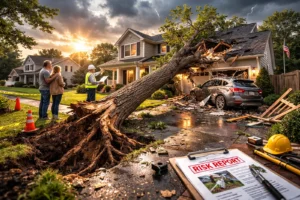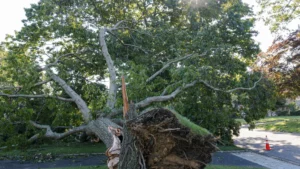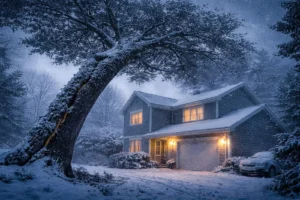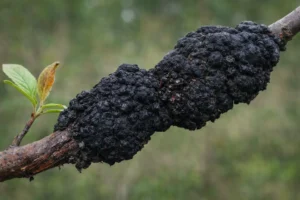
If it feels like more trees are failing, shedding large limbs, or suddenly needing removal across Middletown Township, that instinct is correct. What many homeowners are seeing today is not random bad luck or simply stronger storms. It is the delayed outcome of decisions made roughly twenty-five to thirty years ago, when thousands of properties across Middletown were developed, landscaped, and planted all at once.
This is not a seasonal issue and it is not a one-storm problem. It is a maturity problem.
Middletown's #1 Tree Expert Company
FREE Inspection & Estimate | Certified Arborists | Trimming, Pruning, Removal, More!
Sponsored
The 25-Year Tree Problem: A Generation of Trees Aging at the Same Time
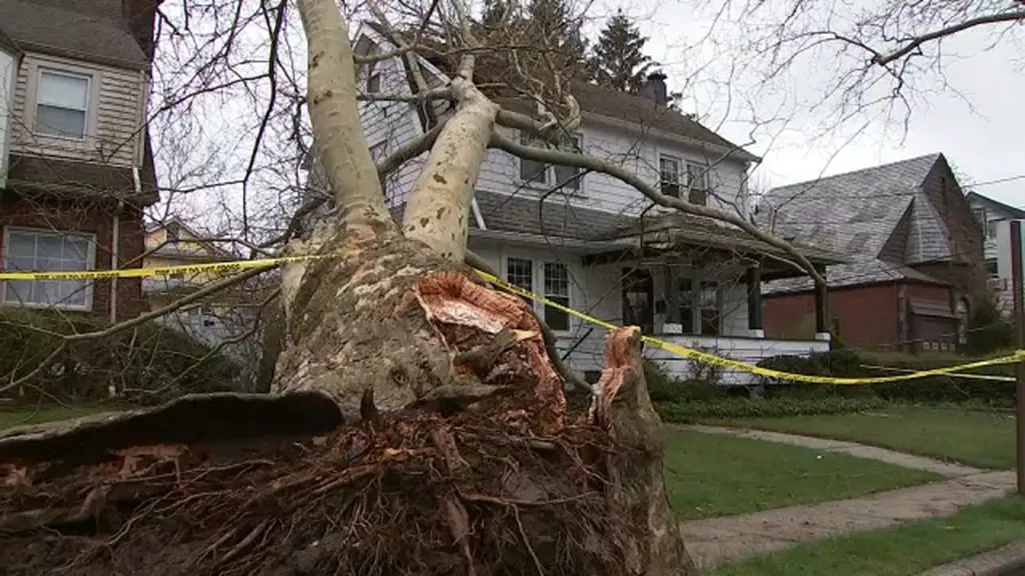
Much of Middletown’s residential growth accelerated in the late 1990s and early 2000s. New subdivisions, rebuilt lots, and property upgrades came with fast-growing shade trees planted for curb appeal and immediate coverage. Species were selected for speed and symmetry, not always for longevity or structural resilience.
Fast forward twenty-five years and many of those trees have reached full canopy size at the same time. Their crowns are heavier, their wind load is greater, and their structural weaknesses are no longer hidden by youth. Trees that looked perfect at ten or fifteen years old are now carrying stresses they were never built to handle.
This synchronized aging is why failures feel widespread instead of isolated.
What “Breaking Point” Really Means for Trees
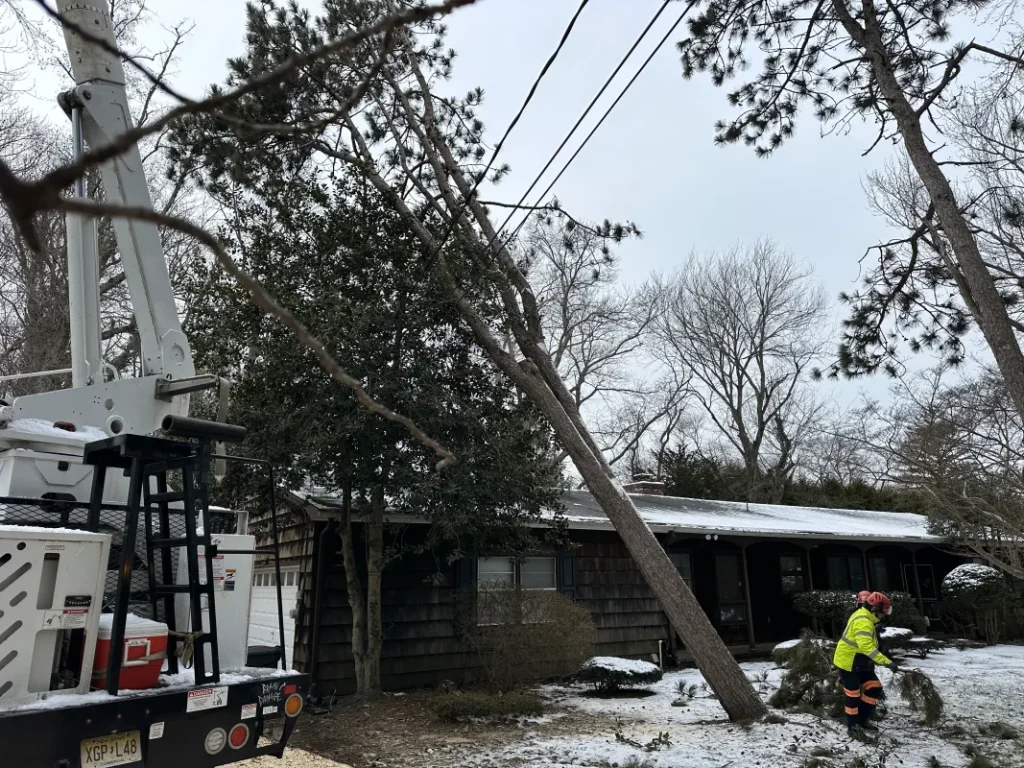
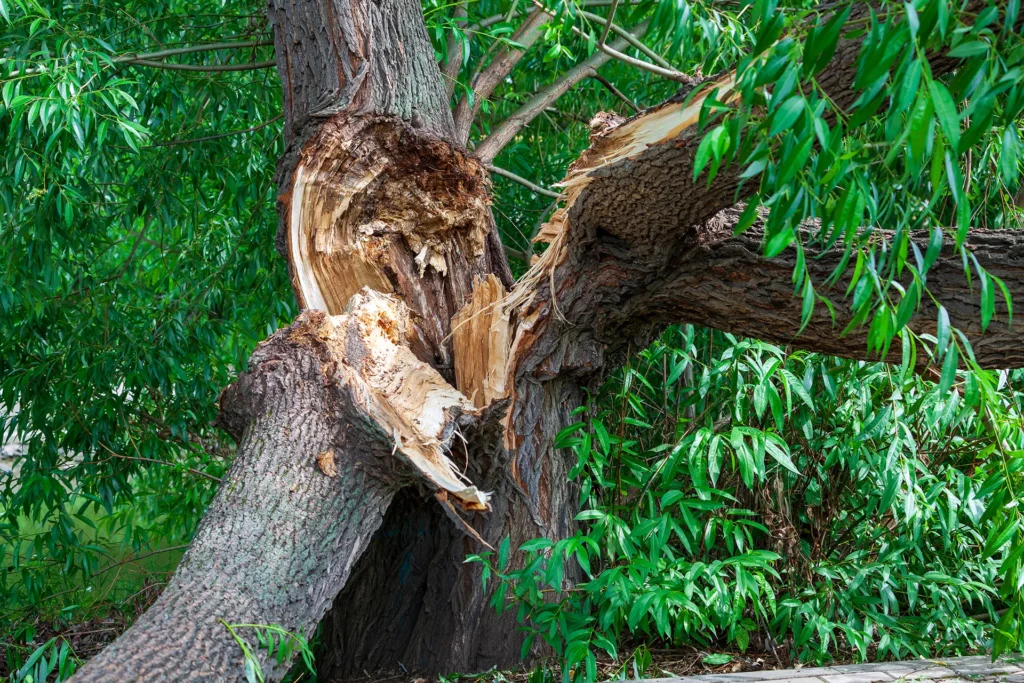
A tree rarely fails because of a single event. Failure happens when cumulative stress finally exceeds the tree’s ability to compensate. In Middletown, that stress often comes from three directions at once.
First, root systems were restricted early. Construction activity, compacted fill, and narrow planting strips limited how roots could spread. A tree can survive that limitation for decades before instability becomes obvious.
Second, many trees were pruned for appearance rather than structure. Heavy crown lifting, over-thinning, or repeated topping may not cause immediate damage, but it creates long-term imbalance. Those cuts influence how weight is distributed years later.
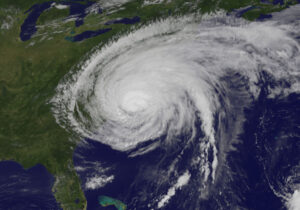
Third, environmental pressure has increased. Wetter seasons, heavier wind events, and more frequent saturation of already compacted soils push mature trees closer to failure thresholds.
Why Middletown Is Especially Vulnerable
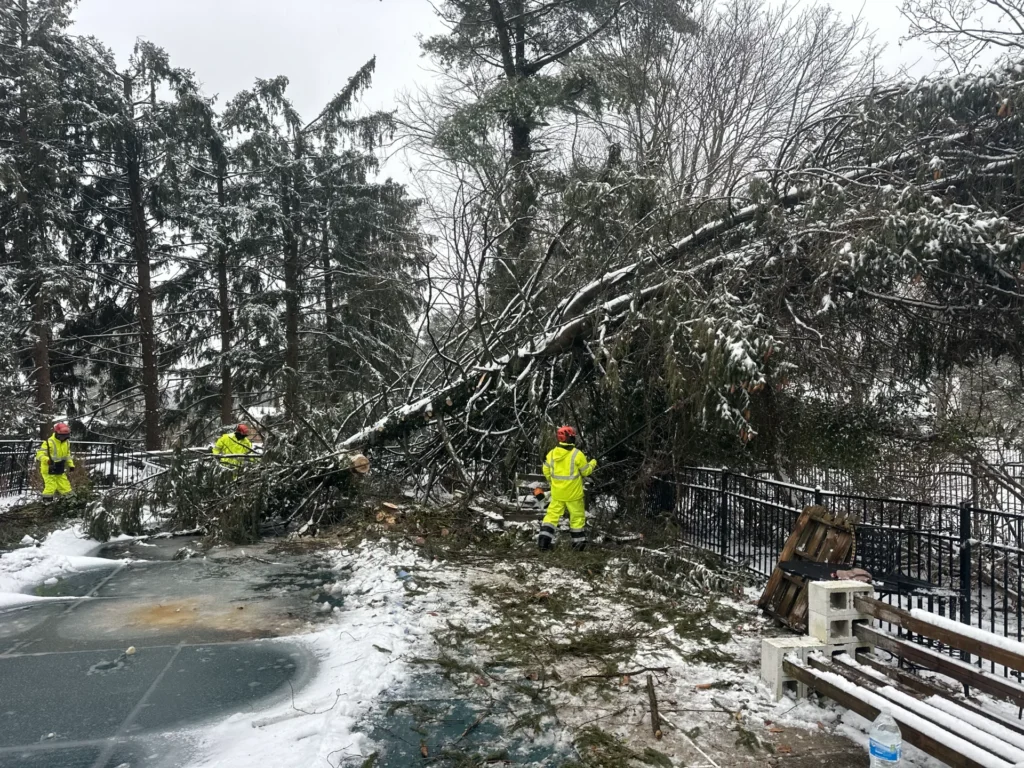
Middletown’s geography plays a quiet role in this problem. The township spans bayside exposure, elevated ridges, inland neighborhoods, and low-lying areas with poor drainage. Wind behaves differently across these zones. Soil behaves differently as well.
In some neighborhoods, trees experience persistent wind tunneling between homes. In others, waterlogged soil weakens root plates over time. Many older developments also sit on historic fill or disturbed ground, which never regains natural soil structure.
When trees reach maturity on compromised sites, the margin for error disappears.
Middletown's #1 Tree Expert Company
FREE Inspection & Estimate | Certified Arborists | Trimming, Pruning, Removal, More!
Sponsored
The Illusion of the “Healthy” Tree

One of the most dangerous misconceptions homeowners carry is that a full canopy equals a safe tree. In reality, many structurally compromised trees look excellent right up until they fail.
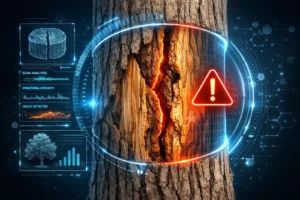
Internal decay, weak unions, and root instability rarely show obvious exterior symptoms. Leaves stay green. Growth continues. The warning signs are subtle and often missed unless someone is trained to evaluate structure rather than appearance.
This is why so many tree failures are described as “unexpected,” even though the indicators were present for years.
Why Waiting Makes the Problem Worse
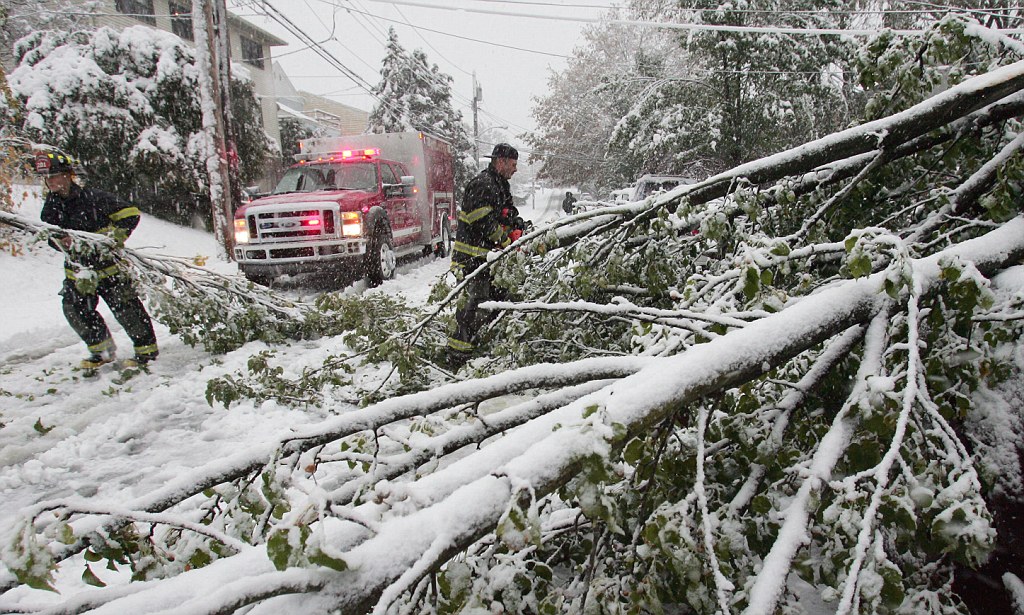
Trees do not stabilize themselves once maturity is reached. They either adapt through proper structure or they accumulate risk. When corrective work is delayed until a problem is visible from the street, options narrow quickly.
Selective reduction, weight redistribution, and structural pruning are most effective before failure risk becomes critical. Once a tree reaches full mass with unresolved defects, removal often becomes the only responsible choice.
This is why Middletown homeowners are suddenly facing more difficult decisions than their neighbors did ten years ago.
The Next Ten Years Will Be the Most Important
The majority of Middletown’s residential trees are now entering the most consequential phase of their lifespan. What happens in the next decade will determine whether these trees remain assets or become liabilities.
Properties that address structural issues early tend to preserve their trees longer, reduce emergency events, and maintain consistent canopy cover. Properties that wait often experience sudden loss, higher costs, and preventable damage.
The 25-year problem is not about panic. It is about timing.
The trees reaching a breaking point today were planted with good intentions decades ago. What determines their future now is not age alone, but how intelligently they are managed at maturity.
This is the crossroads moment for Middletown’s trees.