Middletown's #1 Tree Expert Company
FREE Inspection & Estimate | Certified Arborists | Trimming, Pruning, Removal, More!
Sponsored
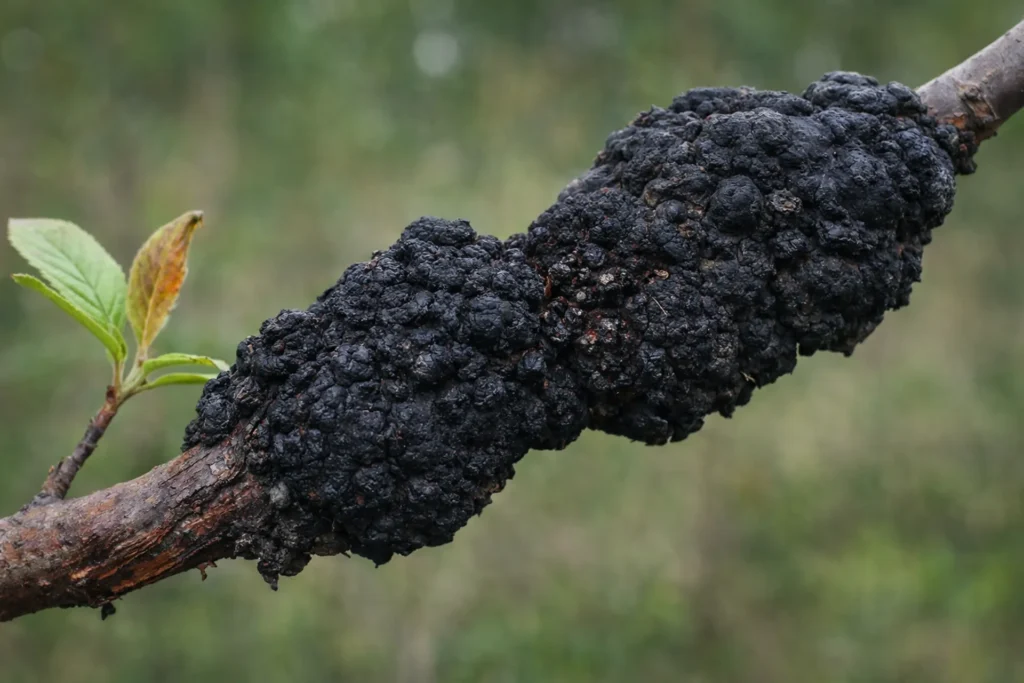
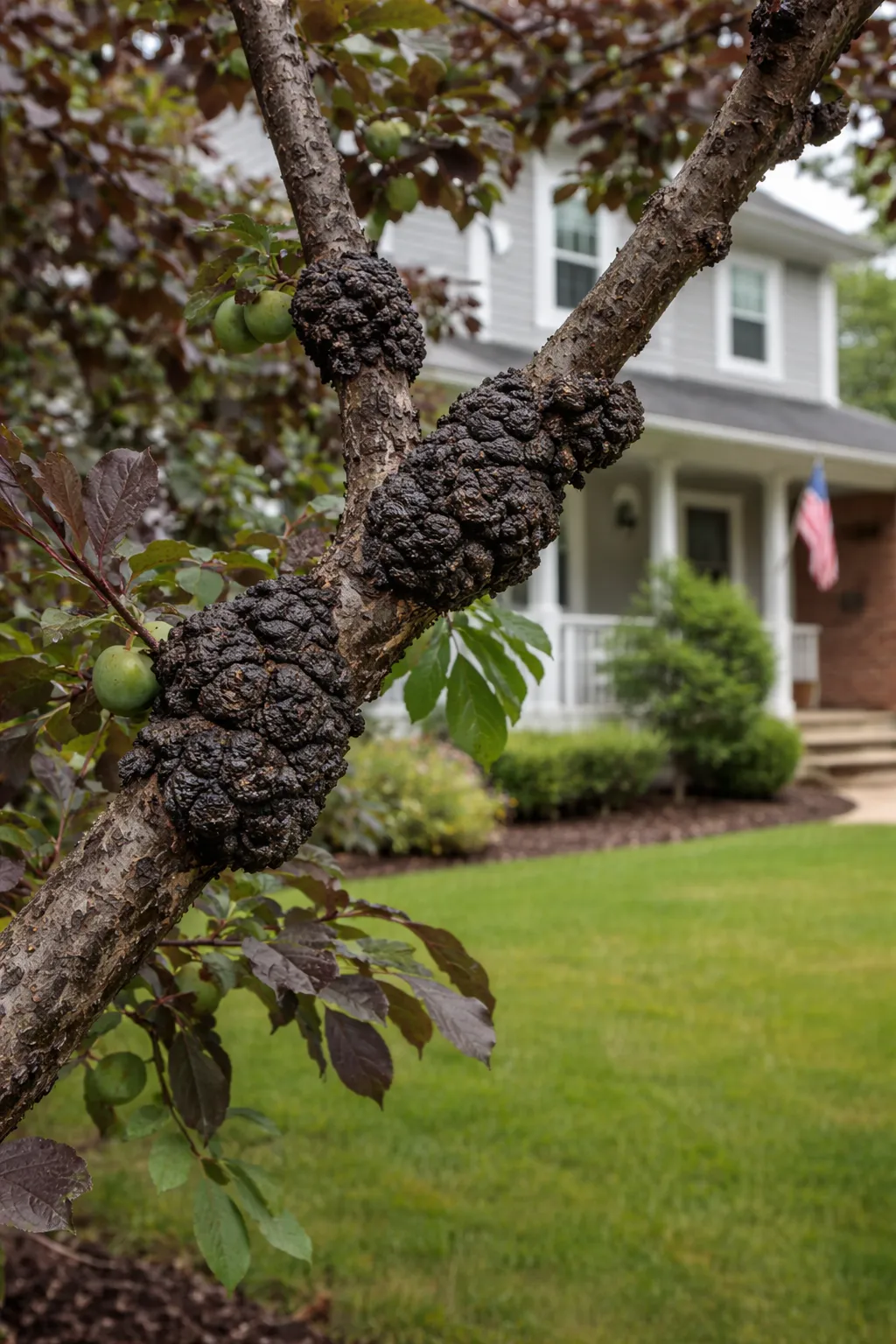
Black knot fungus appears as rough, black, tar-like growths along branches and stems. These growths often start as olive-green or brown swellings during the first year of infection. By the second year, they harden and turn black, giving the disease its name.
The fungus spreads through microscopic spores released during wet spring weather. Rain and wind carry these spores to nearby susceptible trees, where they enter through young, tender growth. Once established, the fungus grows beneath the bark, disrupting the flow of nutrients and water.
Unlike surface molds or algae, black knot fungus cannot be washed off or treated with simple sprays once it is established. The infection becomes embedded in the wood itself, which is why physical removal of infected branches is often required.
Because spores can travel significant distances, even well-maintained trees can become infected if neighboring trees are affected. This makes early detection and proper pruning especially important in residential neighborhoods.
Common characteristics of black knot fungus include:
Hard, black, swollen growths on branches
Progressive expansion year over year
Higher activity during wet spring conditions
Spread through airborne spores
Once homeowners recognize these signs, the next concern becomes how the disease impacts overall tree health.
Black knot fungus weakens trees slowly rather than causing sudden failure. Infected branches gradually lose vigor as the fungus interferes with nutrient transport. Leaves may appear smaller, thinner, or sparse in affected areas, signaling declining health.
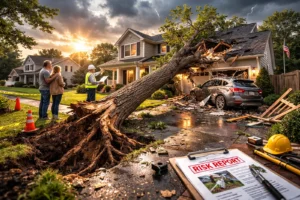
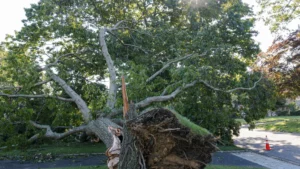
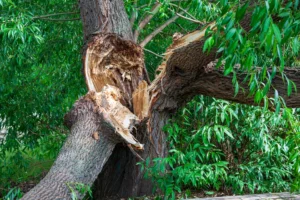
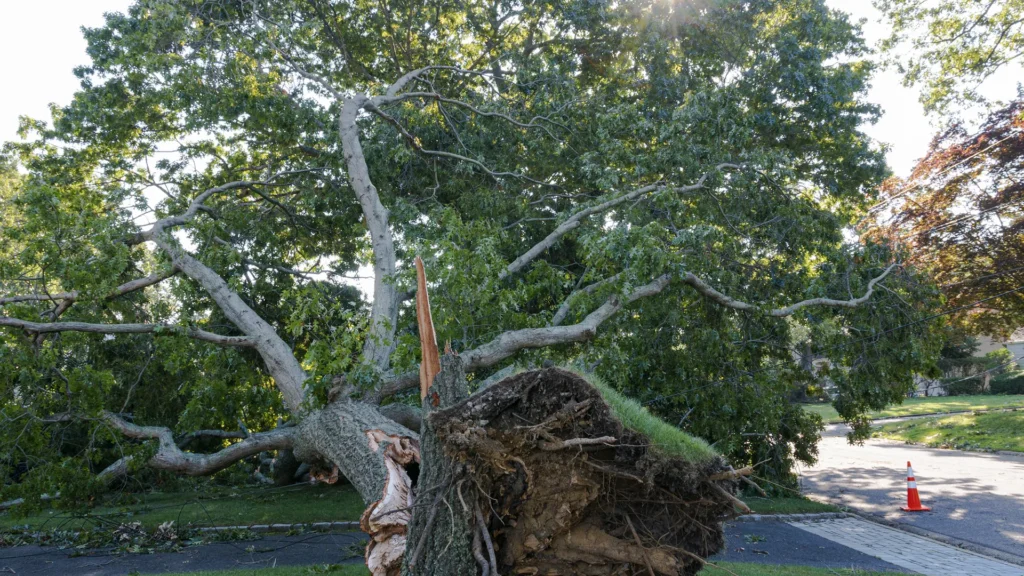
As infections expand, branches may become structurally compromised. Heavily infected limbs are more prone to breakage, especially during storms or high winds. This creates both safety hazards and aesthetic concerns for homeowners.
Repeated infections also place chronic stress on trees. Energy that would normally support healthy growth is redirected toward surviving the infection. Over time, this weakens the tree’s natural defenses, making it more vulnerable to secondary pests and diseases.
In severe cases, black knot fungus can spread into the main trunk or multiple scaffold branches. At that point, preservation becomes far more difficult, and removal may be the safest option.
The long-term risks of untreated black knot fungus include:
Progressive branch dieback
Structural weakness and limb failure
Reduced flowering and ornamental value
Eventual tree decline
Because the disease worsens with time, proper intervention matters.
Many homeowners attempt to treat black knot fungus with fungicides, pruning sealants, or surface cleaning. Unfortunately, these methods rarely succeed once the fungus has become established. Fungicides may help prevent new infections but do not eliminate existing ones embedded in the wood.
Improper pruning is another common issue. Cutting too close to infected areas can leave fungal tissue behind, allowing the disease to continue spreading internally. Pruning at the wrong time of year can also release spores and increase infection risk.
Another mistake is failing to disinfect tools between cuts. This can unintentionally transfer spores from one branch to another or from tree to tree.
Effective management requires proper timing, correct pruning distances, and careful disposal of infected material. Infected branches should never be composted or left on site, as spores can continue to spread.
Understanding these limitations highlights why professional assessment is often necessary.
Black knot fungus does not always require immediate tree removal, especially when caught early. In many cases, infected branches can be removed successfully, preserving the tree and stopping further spread. The key is knowing when pruning is sufficient and when a tree has reached a tipping point.
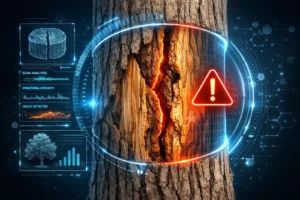
A professional evaluation considers the extent of infection, branch structure, overall tree health, and proximity to other susceptible trees. These factors help determine whether a tree can recover or if removal is the safest long-term solution.
Early intervention offers the best outcome. Trees addressed during the initial stages of infection often recover well and continue thriving for years. Delayed action increases costs, risk, and the likelihood of loss.
Homeowners who suspect black knot fungus should act promptly rather than wait for visible decline.
Black knot fungus is not a cosmetic issue. It is a progressive disease that weakens trees and spreads quietly through neighborhoods. Awareness, early detection, and proper management are critical to preventing long-term damage.
If you notice black, swollen growths on plum or cherry trees, do not ignore them. A timely evaluation can mean the difference between preserving a healthy tree and losing it entirely.
This article is part of an ongoing effort to help Middletown and Monmouth County homeowners make informed decisions about tree health and safety.