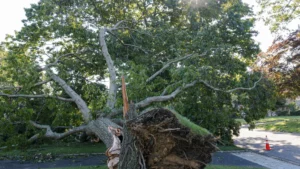

New Jersey has faced one of its most turbulent weather years in recent memory. From January’s statewide nor’easter to a spring season packed with record rain, high winds, and even tornado warnings, 2025 has shown just how unpredictable and damaging our climate can be. Residents across Middletown Township, including neighborhoods like Locust, Lincroft, Chapel Hill, and Oak Hill, saw the effects firsthand: flooded yards, downed limbs, uprooted trees, and stressed canopies struggling to rebound.
Although the year is not yet over, the weather patterns we have already experienced are enough to raise concerns heading into 2026. More storms are expected as climate trends continue to shift, and homeowners are now paying closer attention to the condition of the trees on their property than ever before.
This rising concern is exactly why certified arborists are becoming essential. Proper storm-proofing, structural assessments, pruning, and risk mitigation can prevent the kind of sudden tree failures that lead to property damage, power outages, and injuries.
Below is a breakdown of what 2025 looked like so far, why it matters for local homeowners, and what steps residents can take now to protect their trees before the next storm season arrives.

Middletown's #1 Tree Expert Company
FREE Inspection & Estimate | Certified Arborists | Trimming, Pruning, Removal, More!
Sponsored
A Year Defined by Extreme Weather

The January Nor’easter Set the Tone
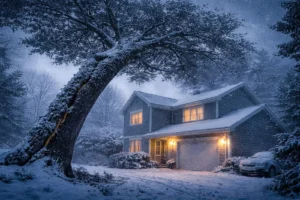
On January 19-20, a major nor’easter swept across all 21 counties. Governor Phil Murphy declared a statewide emergency as parts of New Jersey saw up to a foot of snow followed by brutal sub-zero wind chills. Heavy, wet snow accumulated on branches, increasing the risk of cracks, splits, and hidden structural damage.
March Delivered Record Rainfall
March 2025 brought an astonishing 9.79 inches of rain in some regions, the highest total for March since 1994 according to early National Weather Service data. That level of saturation weakens root systems and increases the likelihood of leaning trees, root plate instability, and soil movement, especially on slopes common in areas like Chapel Hill and Kings Highway East.
Wind Gusts Hammered Monmouth County
The Rutgers NJ Weather Network recorded wind gusts over 30 mph on 26 out of 31 days in March, with multiple days above 50 mph. Those conditions repeatedly stress branches and canopies, especially older trees or species prone to limb drop. Many local residents reported small debris falling for weeks at a time.
First Tornado Warning of the Year
Late March brought a severe thunderstorm outbreak, including a tornado warning that stretched into parts of Monmouth County. Even without a confirmed touchdown, winds of that intensity can create internal fractures within trees that are not visible from the ground.
May Became One of the Wettest on Record
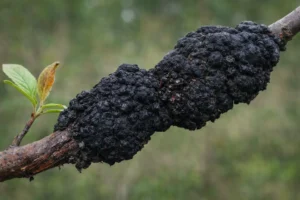
With May ranking as the fifth wettest since statewide records began in 1895, tree root zones remained persistently saturated. While this might sound harmless, it can weaken anchoring roots, promote fungal issues, and cause stress that is not always noticeable until a strong wind event hits.
Why 2025’s Extreme Weather Matters for Your Trees
Climate studies continue to show New Jersey as one of the fastest-warming states in the Northeast, with the NJDEP warning that extreme precipitation events will intensify in the coming years. That means more storms, more wind, more pressure on tree canopies, and more risk of failure.
Trees that once handled storms with ease may no longer withstand the new normal without proper maintenance. Even healthy-looking trees can conceal internal decay, root damage, or structural weaknesses caused by repeated weather events.
Storm-proofing and risk assessments are no longer optional. They are preventative measures that protect your property and reduce liability.
Middletown's #1 Tree Expert Company
FREE Inspection & Estimate | Certified Arborists | Trimming, Pruning, Removal, More!
Sponsored
What Certified Arborists Look for During a Risk Assessment
A certified arborist evaluates the parts of a tree that most commonly fail during storms:
1. Root System Stability
Saturated spring soils, like those seen in 2025, can weaken root plates. Arborists look for signs such as soil heaving, exposed roots, leaning trunks, and fungal activity.
2. Trunk Integrity
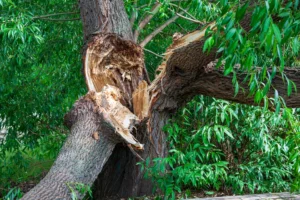
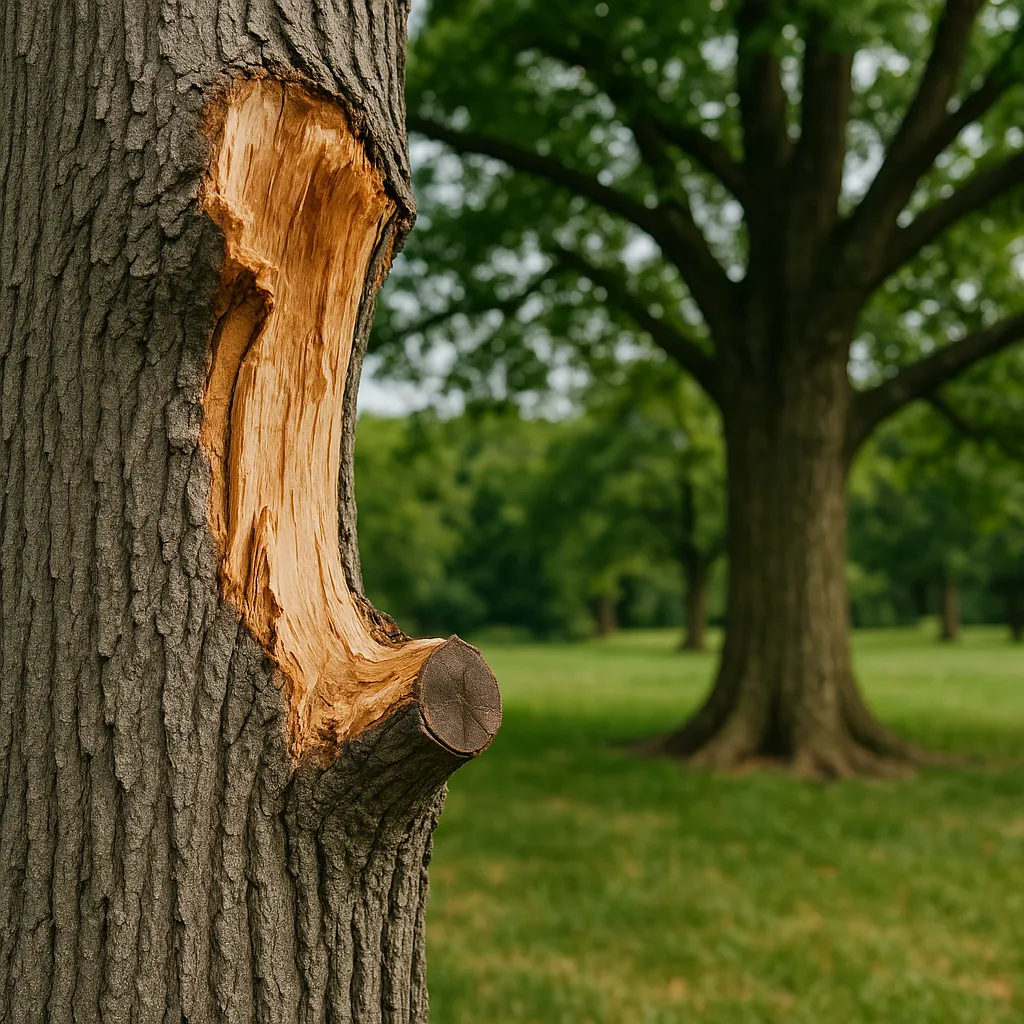
High winds and cold snaps can cause hidden internal cracks. Arborists use visual cues, mallet testing, and experience to evaluate decay pockets, cavities, swelling, or seam-like cracks.
3. Branch Structure
Branches damaged in January’s nor’easter or weakened during March’s wind events may be unstable. Arborists look for deadwood, rubbing branches, weak unions, and past break points.
4. Canopy Balance
Excessive growth, asymmetrical canopies, and storm-prone shapes increase the risk of splitting or toppling. Proper reduction pruning reduces wind resistance and improves stability.
5. Species-Specific Risks
Maples, willows, and certain ornamental trees common in Middletown are more prone to limb drop after wet years. Oaks and pines have different vulnerabilities tied to storm stress.
Risk Mitigation Steps Homeowners Should Consider Before 2026
Homeowners across Middletown Township can reduce storm risk with a few key services:
Structural Pruning
Removes weak, overextended, or crossing limbs. Reduces canopy wind load.
Crown Reduction
Strategic trimming decreases the sail effect during strong wind events.
Deadwood Removal
Prevents branches from breaking during storms.
Cabling and Bracing
Supports heavy limbs or split trunks.
Tree Restoration
Helps trees damaged in 2025 storms recover instead of decline.
Removal of Unstable or Unsafe Trees
Sometimes removal is the safest option when decay or root failure is advanced.
Ongoing Monitoring
Annual or seasonal checkups detect issues early, especially after severe storms.
Looking Ahead: Building Resilience for the Next Storm Year
Whether you’re in Lincroft, Locust, Chapel Hill, or Oak Hill, the pattern is the same: storms are becoming more frequent, more intense, and more damaging. Trees that once thrived in predictable seasonal cycles now face weather extremes that test their structural limits.
Certified arborists can help homeowners make informed, safe decisions about tree care. With proper assessments, pruning, restoration, or removals where necessary, property owners can drastically reduce the risk of falling limbs, debris, and tree failures during future storms.
Taking action now ensures your landscape is safer, healthier, and more prepared for whatever 2026 brings.