Why Tree Laws Matter in Middletown, NJ
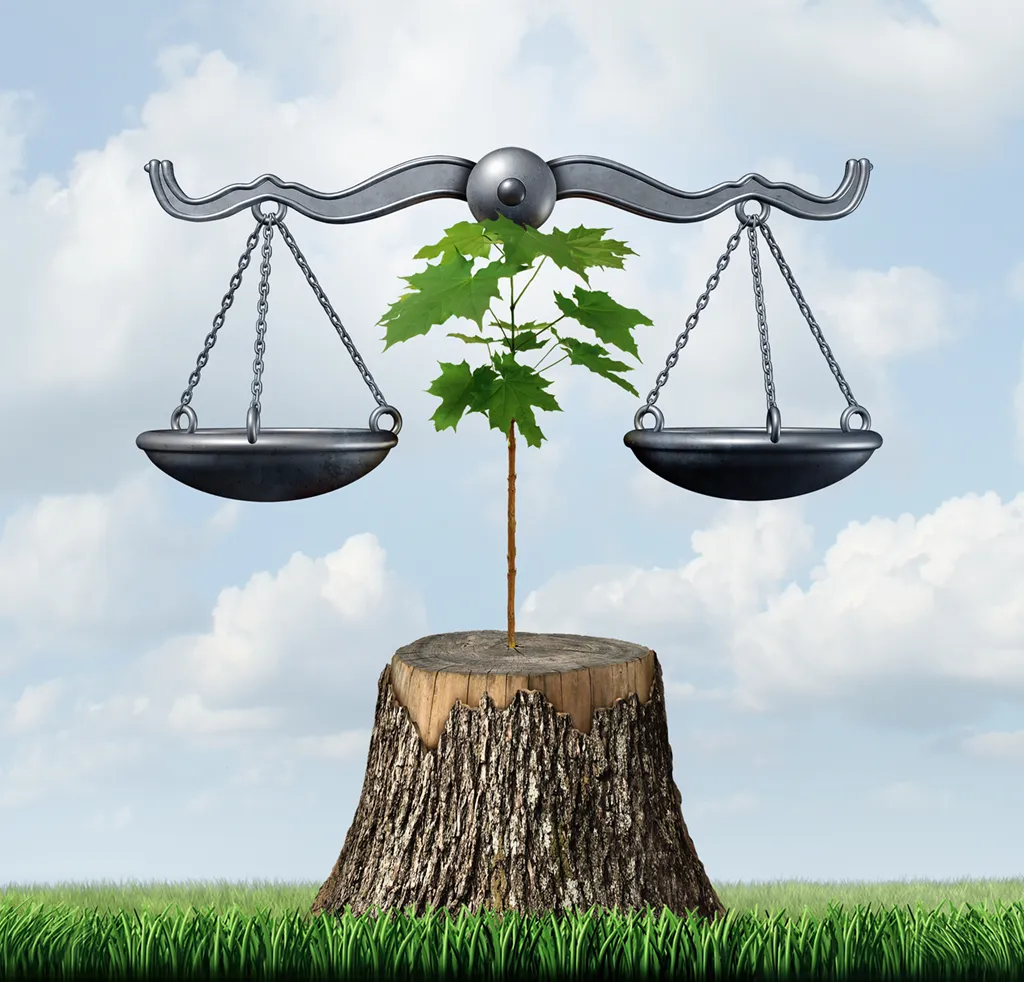
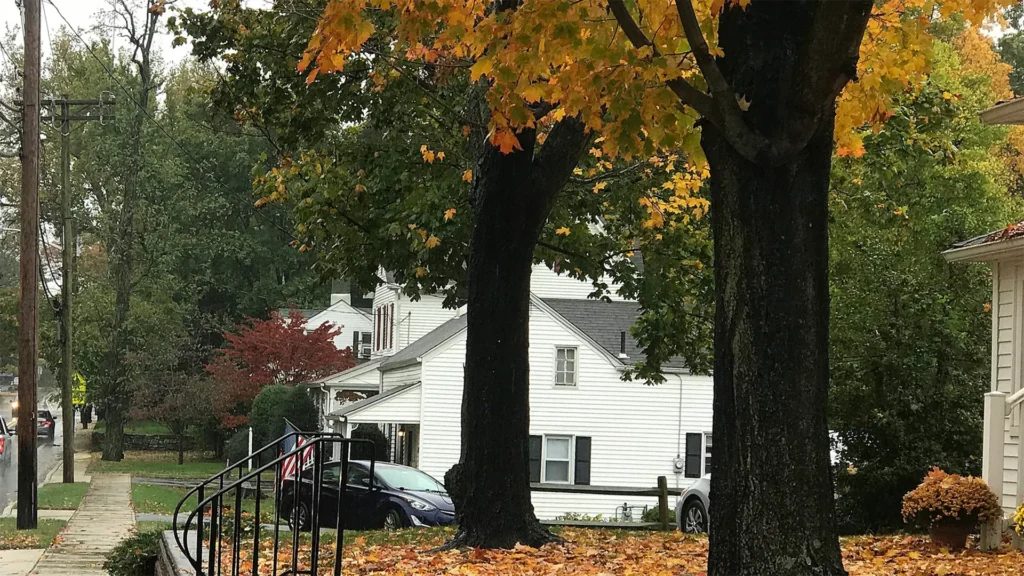
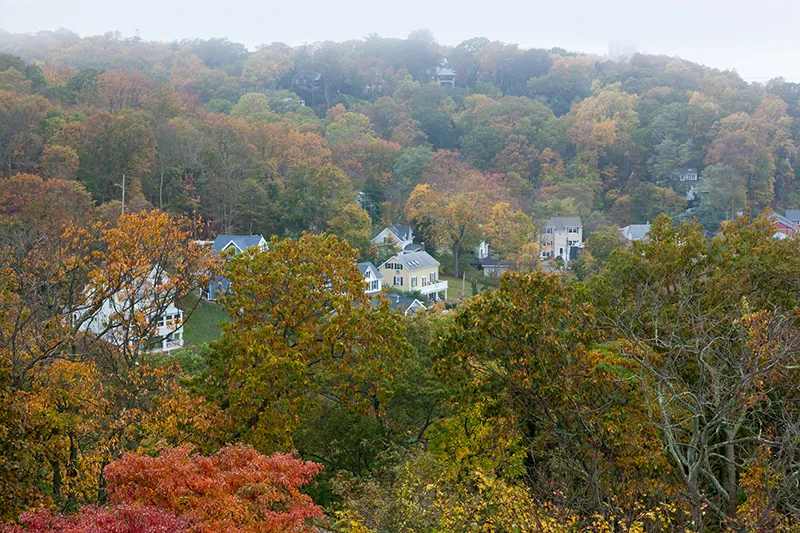
Middletown Township, one of the largest municipalities in Monmouth County, is home to an incredible variety of trees. From towering oaks and maples in neighborhoods like Fairview and Chapel Hill to shoreline evergreens near Port Monmouth and Belford, trees help define the community’s character. They shade sidewalks, line historic districts, and add curb appeal to properties across Lincroft, River Plaza, and Leonardo.
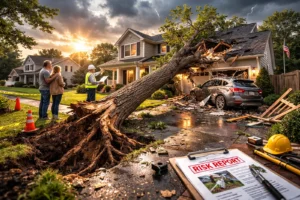
But with these benefits comes responsibility. Fallen limbs, low-hanging branches, and diseased trees can create hazards for drivers, pedestrians, and neighbors. To address these issues, Middletown Township adopted Chapter 220: Tree Maintenance, a local ordinance that sets clear rules for homeowners and businesses about caring for their trees.
This article takes a closer look at what the ordinance means, how it affects property owners, and what steps you can take to stay compliant while protecting both your property and the community.
Property Owners Hold the Responsibility

The heart of Chapter 220 is simple: if a tree is on your property, it is your responsibility to maintain it.
That includes trees located in the public right-of-way extending from your property to the edge of the paved roadway. In other words, if a tree sits between your yard and the street, you are still responsible for its care, trimming, and removal if needed.
This can come as a surprise to some residents, especially in older neighborhoods where mature maples or oaks straddle property lines and roadways. Yet the ordinance makes it clear: the property owner must cover all costs related to tree maintenance, care, or removal.
Why? Because unmanaged trees can quickly become public hazards. A branch dangling over a busy street in River Plaza or a rotting trunk along a sidewalk in Leonardo doesn’t just threaten your own property — it puts the community at risk.
When a Tree Becomes a Public Nuisance
The ordinance also defines when a tree officially crosses the line from private landscaping to a public nuisance. A tree can be declared a nuisance if:
-
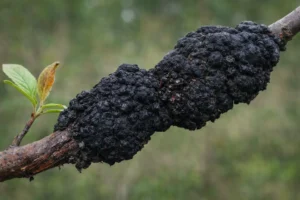
A certified arborist inspects it and finds it hazardous or dangerous.
-
Its branches hang lower than 8 feet above sidewalks or 11 feet above roadways.
-
It blocks the illumination or visibility of a streetlight, traffic signal, or other traffic control device.
These rules exist to protect everyday life in Middletown. Imagine walking along Main Street in Belford and getting hit by a low branch, or a traffic light in Lincroft obscured by overgrown limbs. These aren’t just inconveniences — they’re safety issues.
Once a tree is declared a nuisance, the Township notifies the property owner in writing. The owner then has 30 days to fix the problem. If nothing is done, the Township issues a formal notice of violation.
Middletown's #1 Tree Expert Company
FREE Inspection & Estimate | Certified Arborists | Trimming, Pruning, Removal, More!
Sponsored
What Happens After a Violation Notice
If you receive a violation notice under Chapter 220, it won’t be vague. The Code Enforcement Officer must provide:
-
The property owner’s name and address.
-
A description of the specific violation.
-
The steps required to fix it.
-
A deadline for compliance.
-
A warning that failure to comply can result in fines or Township action.
This system ensures property owners understand what needs to be done and have a fair chance to address the problem. But ignoring the notice comes with real consequences. The Township can fine the owner up to $200 per violation, plus court costs and legal fees.
In addition, if the owner still fails to act, the Township has the authority to fix the problem directly — and bill the owner for the costs. If the bill isn’t paid within 90 days, it can be filed as a lien against the property.
Emergency Tree Removal
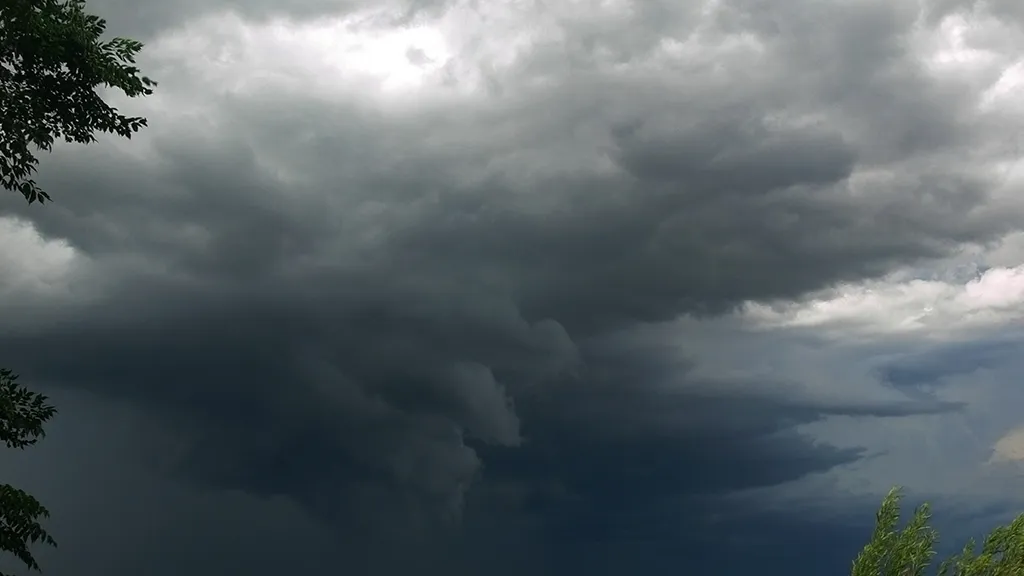
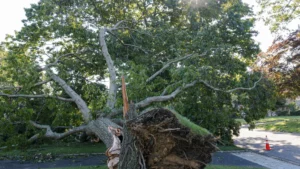
Sometimes, waiting 30 days isn’t an option. Coastal storms, high winds, and heavy rain frequently sweep through Middletown, especially in neighborhoods close to Sandy Hook Bay. When a tree is in danger of falling into a roadway, blocking an emergency route, or otherwise threatening public safety, the Township can act immediately.
In these emergency cases, Middletown does not need to provide advance written notice. Township crews can remove the hazard on the spot. But even in emergencies, the property owner is responsible for the cost of removal. If unpaid, those costs can also become a lien.
Interestingly, the ordinance requires that the Township leave all cut wood on the property. Logs, branches, and debris remain the owner’s responsibility to clear within 10 days. So after a storm, you may find your property littered with debris that needs to be handled quickly.
Practical Steps to Stay Compliant
For property owners, compliance doesn’t have to be complicated. Here are some simple practices that align with the ordinance:
-
Schedule routine inspections. Certified arborists can spot decay, root problems, and hazardous branches before they become violations.
-
Prune regularly. Keep branches above the required 8-foot (sidewalk) and 11-foot (roadway) clearances.
-
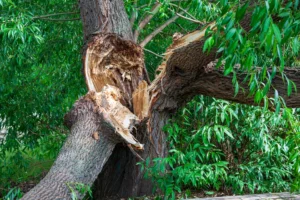
Address hazards quickly. If a tree leans after a storm or shows cracks, don’t wait for the Township to issue a notice.
-
Document maintenance. Keep photos or reports of tree care to show you acted responsibly if a dispute arises.
-
Stay alert after storms. Walk your property to check for fallen limbs or trees that might pose new risks.
Final Thoughts
Middletown Township’s Tree Maintenance Ordinance (Chapter 220) is more than a set of rules — it’s a framework for protecting public safety while preserving the beauty of the community’s landscapes. For residents, it means taking a proactive role in caring for trees, whether along quiet neighborhood streets or in busier commercial areas.
By understanding your responsibilities, keeping trees maintained, and responding quickly to problems, you can avoid fines, reduce liability, and contribute to the overall health of Middletown’s tree canopy.
Trees are part of what makes Middletown such a desirable place to live and work. Caring for them responsibly isn’t just a legal duty — it’s an investment in the character and safety of the entire township.