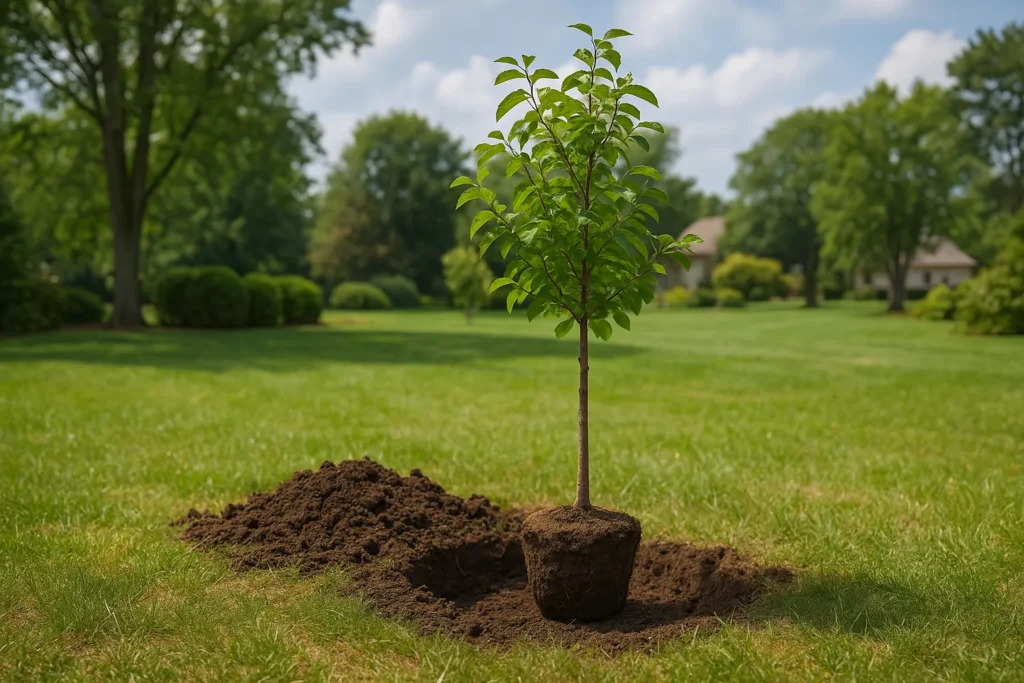
Planting a new tree seems simple, but long term success depends on one major choice. You must pick the right spot. A healthy tree can live for decades, shaping the look of your property and even influencing your home value. A poorly placed tree becomes a source of stress and unnecessary pruning. In Middletown Township neighborhoods like Locust, Chapel Hill, Oak Hill, and Lincroft, homeowners face a mix of soil conditions, shoreline winds, varying sun exposure, and mature landscapes that make smart placement even more important.
This guide walks you step by step through everything you should consider before picking up a shovel. By understanding light, soil, spacing, growth patterns, fall cleanup, root behavior, and long term goals, you can plant with confidence and give your new tree the strongest possible start.
Know Why You Are Planting the Tree
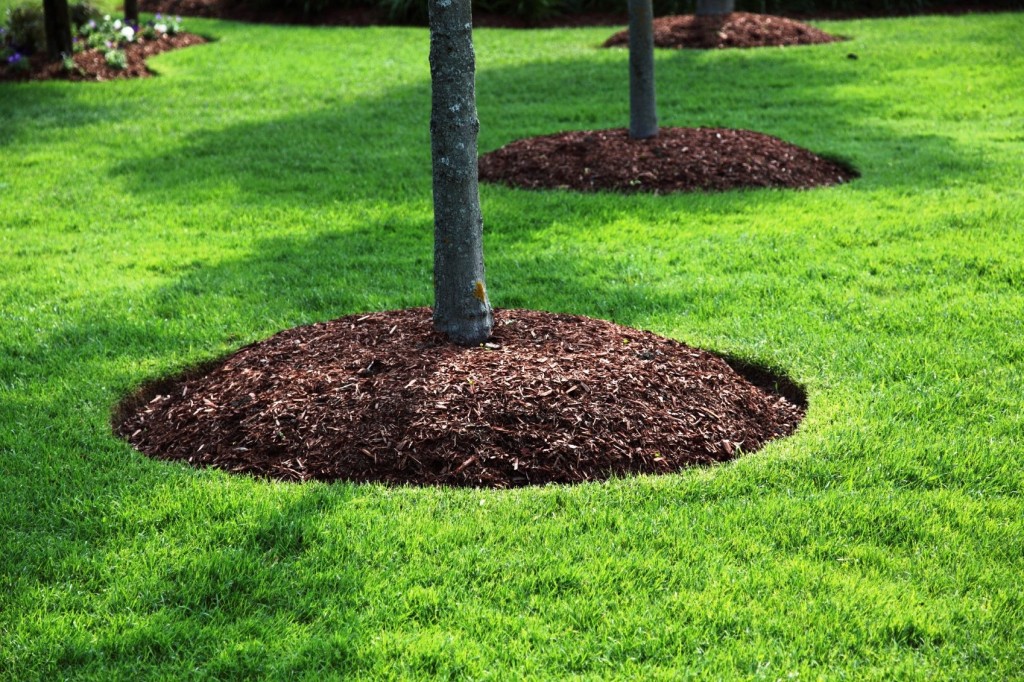
Before choosing the location, decide the purpose of the tree. This single step influences every choice afterward.
Many homeowners in Chapel Hill and Oak Hill plant trees for shade. Others in Lincroft use trees for privacy from nearby homes. Locust’s larger lots attract homeowners who want trees for visual appeal or seasonal interest. Each purpose demands a different location and species.
Shade trees like oaks or red maples should be placed where afternoon sun hits hottest. Privacy trees like evergreens do best along property edges. Decorative trees such as dogwoods or Japanese maples belong near entryways, patios, or garden beds where their color can be enjoyed up close.
Once you know the purpose, visualize how the tree will look in that spot ten or twenty years from now. This prevents future frustration when a shade tree grows too close to the house or a fruit tree drops fruit near walkways.
Understand the True Mature Size

A young sapling can trick you. What looks small and manageable today may become huge in a few years. This is one of the most common mistakes among Middletown Township homeowners.
Trees have two important size measurements. Mature height and mature spread. You must plan for both.
If the canopy spreads thirty feet, the trunk needs to be at least fifteen feet from structures, fences, sheds, play equipment, and driveways. Branches will eventually fill the entire width. Roots expand even farther than branches. In neighborhoods like Oak Hill and Locust where lots vary in shape, this is essential. The bigger the species, the more room it needs.
Never rely on how tall the tree currently looks in the nursery. Look up its full mature size. A tree that will grow seventy feet tall should not be planted under utility lines. A small ornamental tree like a serviceberry can fit near patios or windows without overwhelming the area.
Planning for maturity is the difference between a lifelong asset and a yearly problem.

Middletown's #1 Tree Expert Company
FREE Inspection & Estimate | Certified Arborists | Trimming, Pruning, Removal, More!
Sponsored
Study the Sunlight Patterns in Your Yard

Every yard has its own sun map. Light changes hour by hour and season by season. A tree that needs full sun can decline quickly if placed in partial shade. Middletown’s neighborhoods have a mix of open lawns, wooded borders, and long afternoon shadows cast by nearby homes.
Walk your property and observe the light at different times of day. In Lincroft, many homes have south facing yards with long sunlight exposure. In Chapel Hill, rolling areas create pockets of shade. Locust and Oak Hill often have mature oaks that cast wide shade patterns across the lawn.
Tree tags usually list the following requirements:
- Full sun
- Partial sun
- Partial shade
- Full shade
Match the species to the available light. A sun loving fruit tree needs at least six hours of direct light. A decorative tree like a dogwood prefers filtered light under larger canopies. When sun needs and location do not match, the tree will never thrive to its full potential.
Check Soil Conditions and Drainage

Soil quality is often overlooked but matters as much as sunlight. Middletown Township has varied soil. Locust and Chapel Hill often have loamy soil with good drainage. Oak Hill and parts of Lincroft have pockets of clay based soil that hold water for long periods. Each soil type affects root growth.
Good tree planting requires soil that drains well. Roots need oxygen as much as they need water. If water sits in the planting hole for hours, the tree will struggle.
You can test by filling the future planting hole with water and observing how long it takes to drain. If it empties in under an hour, drainage is good. If it takes three hours or more, consider a different spot or add soil amendments.
Soil pH also matters. Some species like oaks and maples tolerate varied pH levels. Others, such as certain ornamental trees, have specific preferences. Knowing your soil lets you choose a tree that thrives naturally rather than forcing one to adapt.
Give the Tree Enough Space to Grow Outward and Downward
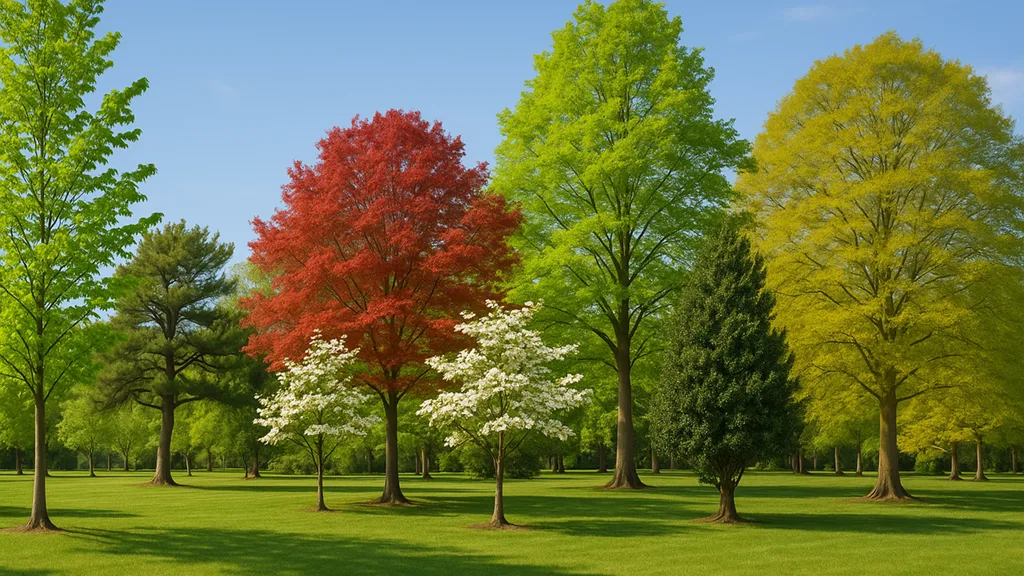
Trees grow in two directions. Up and out. Above ground growth is obvious, but below ground growth is just as critical.
Avoid planting too close to patios, driveways, walkways, and retaining walls. Roots can eventually lift or crack surfaces. In Middletown’s older neighborhoods like Lincroft, many hardscape features have been added over time. Planting too close makes future repairs expensive.
If you want a tree near the home for shade, keep it far enough from the foundation so roots do not interfere. Large shade species often need twenty to thirty feet of distance. Smaller ornamentals need less, but still require planning.
Also consider spacing between trees. If you plant several new trees together, give them enough room so their canopies do not collide and force awkward pruning later.
Middletown's #1 Tree Expert Company
FREE Inspection & Estimate | Certified Arborists | Trimming, Pruning, Removal, More!
Sponsored
Think About Cleanup and Falling Debris

Every tree drops something. Leaves, flowers, fruit, pods, or seed clusters. Some drop a little. Some drop a lot.
Fruit trees drop seasonal fruit that can attract wildlife or create slippery walkways. Maples drop helicopters. Oaks drop acorns. Flowering trees shed petals and sometimes pollen coated debris. In an area like Oak Hill or Locust where homeowners maintain manicured lawns, choosing the wrong spot for a messy tree can create extra maintenance.
If you prefer low cleanup, avoid planting heavy droppers near driveways, patios, pool decks, or front sidewalks. Place them farther back in the yard or choose cleaner species that shed less.
This is also important near pools. Certain trees drop pollen strings or flowers that clog filters and pool skimmers.
Every tree is beautiful, but beauty looks different depending on where it falls.
Consider Water Access and Irrigation Needs

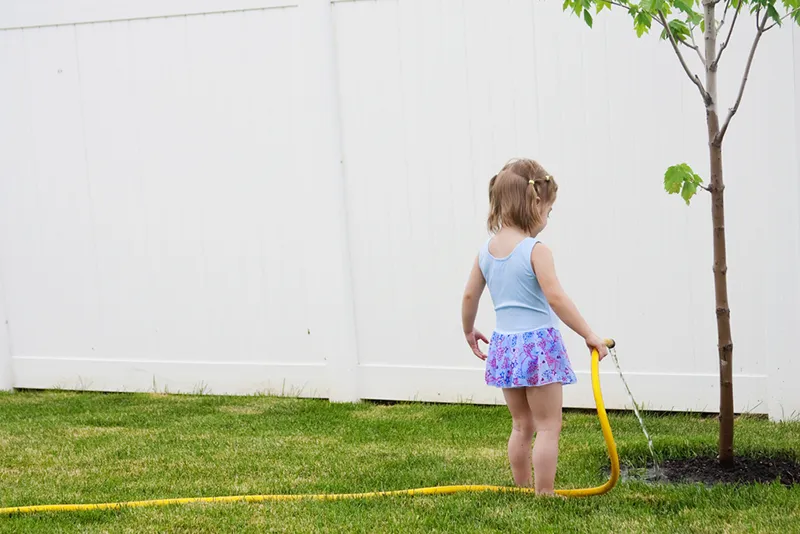
Young trees need consistent moisture during their first two years. If the chosen spot is far from a hose connection, watering becomes a chore. Middletown Township summers can be warm enough that trees in full sun dry quicker.
If you rely on sprinklers, make sure the tree will receive enough coverage. Avoid planting in natural low spots where water pools after heavy rain. Likewise, avoid high ridges where water runs off too quickly.
Some species require more water than others. River birch, for example, loves moisture but struggles in dry soil unless regularly watered. Red maple tolerates a wide range. Understanding these needs protects your time and your investment.
Think About the View From Inside Your Home
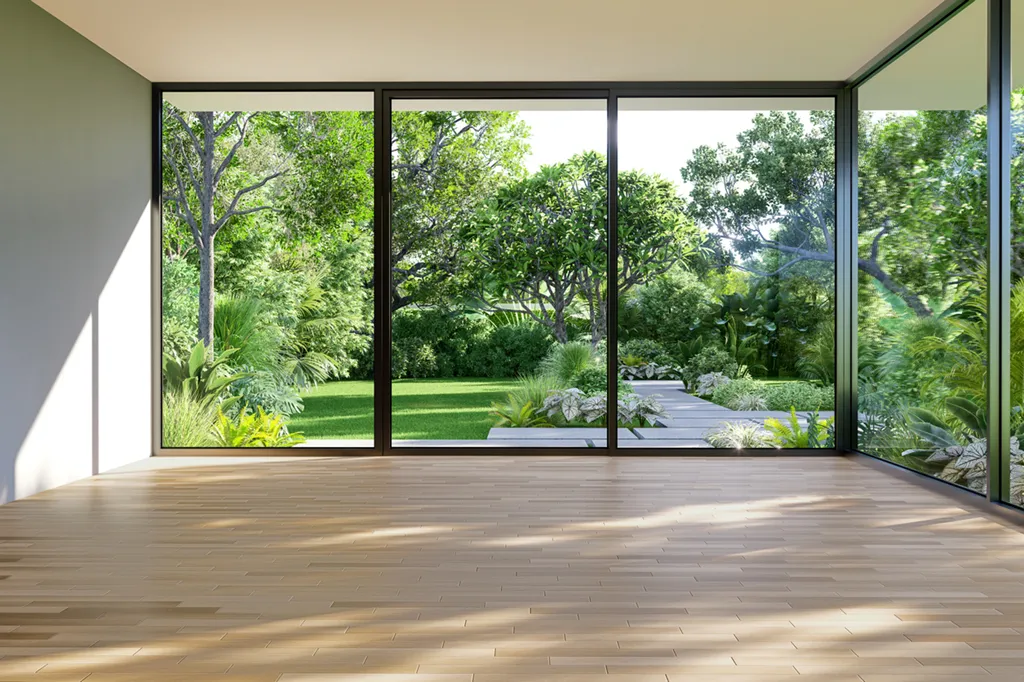
Trees influence both the outdoor space and the indoor experience. A well placed tree frames windows and provides a calming view. A poorly placed tree blocks natural light or crowds the home.
Walk inside your home and look through major windows. Imagine the tree at half size, and then imagine it at full size. Visualize how much light it allows in and how it complements the room. In neighborhoods like Lincroft or Locust where homes sit on larger lots, a tree with strong fall color can add dramatic seasonal beauty when placed in the right spot.
Planting with this perspective creates harmony between the interior and exterior.
Middletown's #1 Tree Expert Company
FREE Inspection & Estimate | Certified Arborists | Trimming, Pruning, Removal, More!
Sponsored
Plan for Wind Exposure and Storm Behavior

Middletown Township gets its share of storms. Locust and Chapel Hill areas near the water see stronger winds. Even inland areas like Oak Hill can experience gusts that stress young trees. Some species handle wind well. Others have brittle branches that snap under pressure.
Study the wind patterns in your yard. If you notice strong directional winds, position the tree so surrounding structures or existing trees provide natural shelter. Avoid placing brittle or shallow rooted trees in fully exposed areas without staking during their early growth years.
Storm resilience begins at planting time, not after something breaks.
Avoid Planting Under Power Lines or Too Close to Utilities

Utility lines limit options. Large trees do not belong under overhead wires. Eventually the utility company will prune aggressively and distort the natural shape of the tree.
Also locate underground utilities. Cable, water, and gas lines need clearance. Before digging, call 811 to have the lines marked. Planting too close to underground lines can cause root interference later.
This step protects your property and keeps future maintenance safe.
Planting a new tree is exciting. A careful approach makes the difference between a thriving asset and a long term burden. By understanding sunlight, soil, wind, space, cleanup, and purpose, you can choose the right spot with confidence. Homeowners in Locust, Chapel Hill, Oak Hill, and Lincroft have varied landscapes, but these principles work for every yard in Middletown Township.