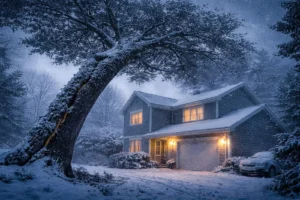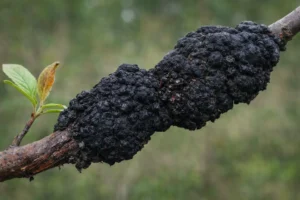
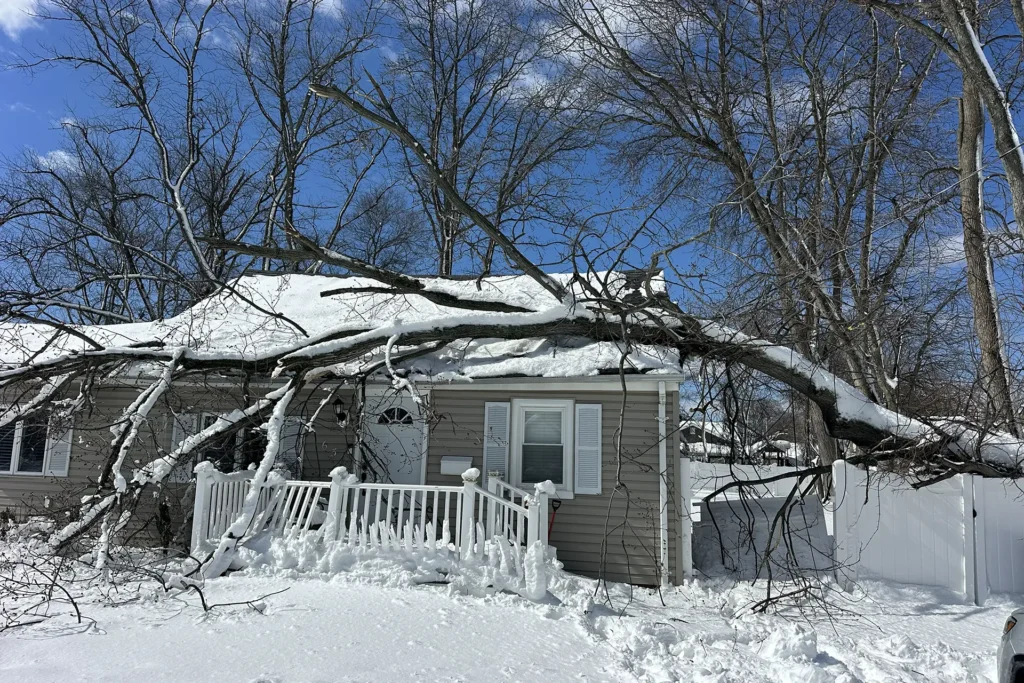
Middletown Township, NJ is no stranger to tough winters, but the last one left behind more than just snow piles and icy driveways. From Lincroft and Holmdel border properties to the coastal edges near Leonardo and Belford, trees across the township absorbed weeks of freeze-thaw cycles, heavy snow loads, and wind stress that are not always visible at first glance. Many homeowners are now walking their properties assuming everything made it through fine, when in reality the most dangerous damage is often hidden.
As certified arborists working in Monmouth County conditions, we see this pattern every year. Trees appear stable in early spring, then fail weeks or months later during a mild storm or even on a calm day. That delayed failure is what makes post-winter tree assessment one of the most important services a property owner can invest in.
Winter damage is not always dramatic. It is structural, internal, and progressive. Understanding what to look for, and when to act, can mean the difference between simple maintenance and a costly insurance claim.
Internal Cracking and Structural Stress After Freeze Cycles
Winter in Middletown brings repeated freezing and thawing, especially in neighborhoods like Oak Hill and Chapel Hill where elevation and exposure vary. These temperature swings create internal expansion and contraction within tree trunks and major limbs.
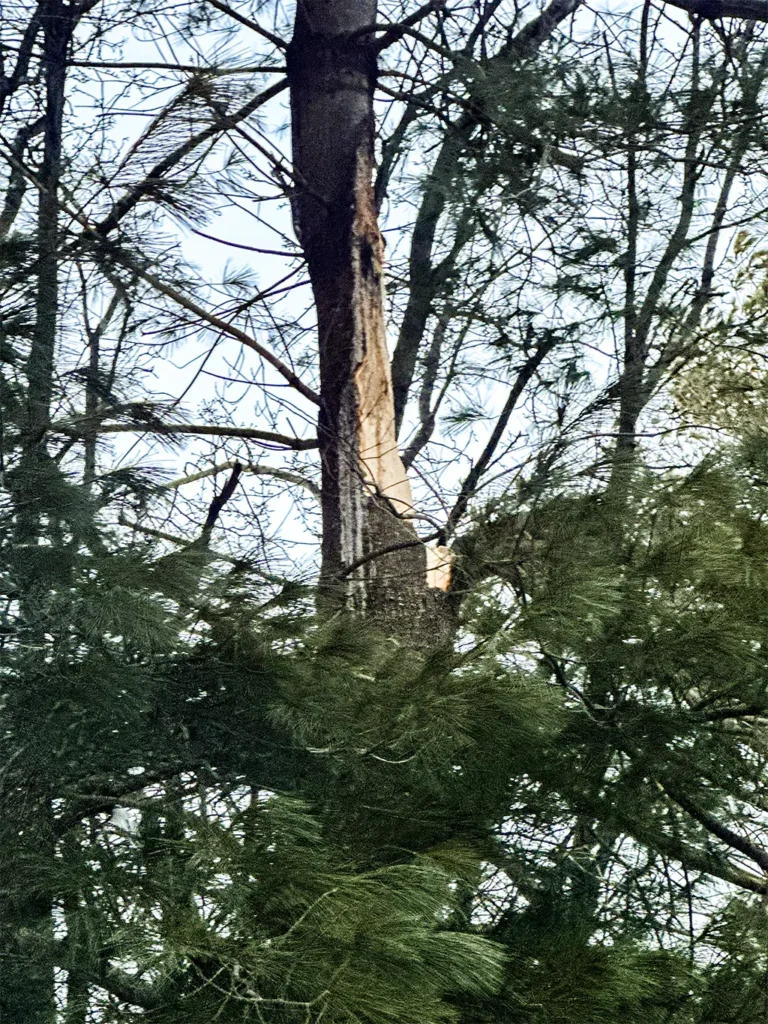
What most property owners do not realize is that wood fibers can split internally without showing obvious external signs. A tree may look intact from the outside, but internally it has developed structural weaknesses that compromise its stability.
This type of damage often shows up later as sudden limb drop. Large sections can fail without warning because the internal support has already been compromised. We frequently see this with mature oaks, maples, and tulip poplars throughout Middletown.
Another overlooked factor is how ice accumulation adds weight unevenly. Branches that held snow and ice for extended periods may now have stress fractures that are not visible from the ground. These branches become high-risk over time, especially as spring growth adds additional weight.
An arborist evaluation after winter focuses on identifying these internal stress points before they turn into hazards. From a liability standpoint, ignoring potential structural damage can expose homeowners to serious risk if a tree or limb causes injury or property damage.
Key takeaways from internal winter damage:
- Freeze-thaw cycles can create hidden internal cracks
- Trees may appear healthy while structurally compromised
- Ice load stress weakens major limbs over time
- Delayed limb failure is common in spring and early summer
- Professional inspection is the only reliable way to detect internal issues
Addressing internal stress early allows for corrective pruning and stabilization, which leads directly into the next concern many Middletown properties are facing right now, root system instability.
Middletown's #1 Tree Expert Company
FREE Inspection & Estimate | Certified Arborists | Trimming, Pruning, Removal, More!
Sponsored
Root System Shifts and Soil Instability in Middletown Properties
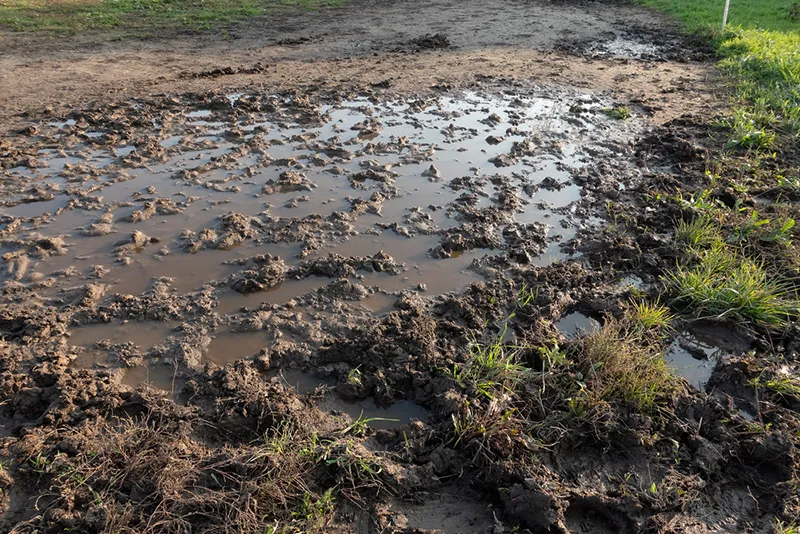
Middletown’s soil conditions vary widely, from compacted suburban lots in areas like Harmony and Kings Highway to more open, moisture-retaining soils near Poricy Park. Winter weather impacts all of them in different ways.
When the ground freezes and thaws repeatedly, soil structure changes. Roots can lose their grip, especially in areas where drainage is already an issue. This creates a situation where trees remain upright but are no longer securely anchored.
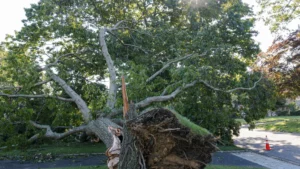
One of the most dangerous outcomes is a tree that looks stable but has developed a compromised root plate. These trees are far more likely to uproot during moderate winds, not just major storms. That is why many tree failures in spring seem unexpected.
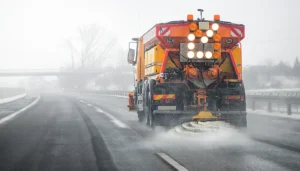
Salt exposure from roadways is another contributing factor in Middletown. Properties along Route 35, Route 36, and other heavily treated roads often experience root stress from salt infiltration. This weakens root systems and reduces their ability to recover from winter conditions.
We also see issues with soil heaving. As frozen ground expands, it can physically shift root structures. When the soil settles again, the root system does not always return to its original position, leaving gaps and instability underground.
A proper arborist assessment includes checking for subtle signs like soil lifting, trunk lean changes, and root flare exposure. These indicators help determine whether a tree can be stabilized or if removal becomes the safer option.
Key takeaways from root and soil issues:
- Freeze-thaw cycles weaken soil stability around roots
- Trees can become unstable without visible signs
- Road salt contributes to long-term root damage
- Soil heaving shifts root positioning
- Early detection prevents unexpected tree failure
Once root stability is compromised, the next layer of concern is how these weakened trees interact with surrounding structures and property lines.
Liability Risks for Middletown Homeowners After Winter Damage
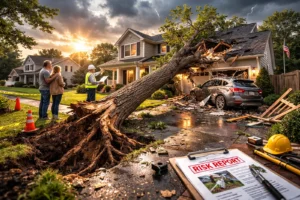
In a township like Middletown, where properties are often close together and trees mature over decades, liability is a serious consideration. A damaged tree does not just affect the property it stands on. It can impact neighbors, vehicles, and public spaces.
Many homeowners assume that insurance will cover any tree-related incident. While policies often provide coverage, they also consider negligence. If a tree was visibly compromised and no action was taken, liability can shift back to the property owner.
Hidden winter damage complicates this further. A tree that looked fine in January but fails in April may still be considered a preventable hazard if warning signs were present and ignored.
Common risk scenarios we see include:
- Large limbs falling onto neighboring homes or fences
- Trees failing onto driveways or parked vehicles
- Damage to power lines and utility connections
- Injuries caused by falling branches in residential yards
In areas like River Plaza and Belford, where homes are tightly spaced, the margin for error is small. One compromised tree can affect multiple properties at once.
Having a certified arborist document the condition of your trees after winter provides a level of protection. It shows due diligence and proactive care, which can be critical if an incident occurs.
This is not about fear. It is about responsibility. Trees add value to a property, but they also carry risk when not properly maintained.
Key liability considerations:
- Property owners can be held responsible for preventable tree failures
- Insurance claims may be affected by lack of maintenance
- Close property spacing increases risk exposure
- Documented inspections support liability protection
- Proactive care reduces the chance of costly incidents
Understanding liability leads directly into the practical steps homeowners can take right now to reduce risk and protect their properties.
Middletown's #1 Tree Expert Company
FREE Inspection & Estimate | Certified Arborists | Trimming, Pruning, Removal, More!
Sponsored
What a Post-Winter Arborist Inspection Actually Covers
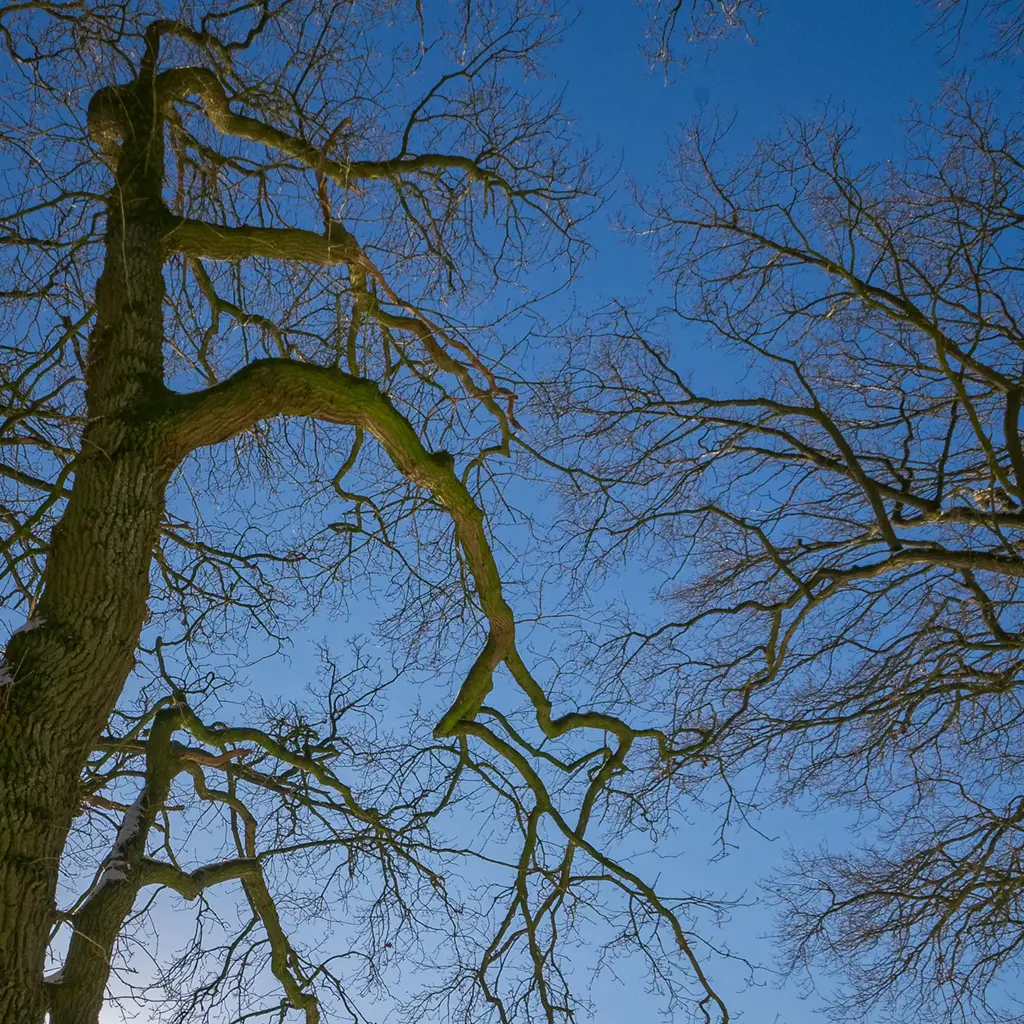
A professional tree inspection is not a quick visual check. It is a structured evaluation that looks at the entire tree system, from canopy to roots.
In Middletown, this process is tailored to local conditions. We consider species behavior, soil type, exposure to coastal winds, and recent weather patterns. Trees near Sandy Hook Bay, for example, experience different stress factors than those further inland.
The inspection typically begins with a canopy assessment. This identifies deadwood, cracked limbs, and imbalances caused by winter weight. From there, attention shifts to the trunk, looking for signs of splitting, decay, or internal stress indicators.
Root zone evaluation is a critical component. This includes checking for soil movement, root exposure, and signs of instability. Even small changes in root structure can signal larger issues.
We also evaluate overall tree health. Winter stress can weaken a tree’s ability to resist pests and disease. Early detection allows for targeted treatments that support recovery.
The goal is not always removal. In many cases, corrective pruning, cabling, or soil management can restore stability and extend the life of the tree safely.
What a proper inspection includes:
- Canopy and limb structure evaluation
- Trunk integrity and stress assessment
- Root system and soil condition analysis
- Species-specific health considerations
- Recommendations for pruning, stabilization, or removal
Taking action after an inspection ensures that the issues identified do not progress into larger problems as the season continues.
Taking Action Before Spring Storms Hit Middletown
Spring in Middletown brings its own challenges. Coastal storms, sudden wind events, and rapid growth all place additional stress on trees that may already be weakened from winter.
Waiting until a problem becomes visible is often too late. By that point, the structural integrity of the tree may already be compromised beyond simple correction.
Early-season pruning plays a key role in risk reduction. Removing weakened limbs before they fail prevents damage and helps the tree allocate energy more efficiently during the growing season.
Stabilization techniques such as cabling can also be used to support vulnerable structures. This is especially important for large, mature trees that provide significant value to a property but have developed stress points.
For trees that cannot be safely restored, removal becomes the responsible choice. While it is never the preferred outcome, it is sometimes necessary to protect people and property.
Middletown properties benefit from proactive planning. Addressing tree health and structure in early spring sets the tone for the rest of the year and reduces the likelihood of emergency situations.
Steps to take right now:
- Schedule a post-winter tree inspection
- Address damaged or weakened limbs early
- Stabilize structurally compromised trees
- Monitor soil and root conditions
- Remove high-risk trees before storm season
Taking these steps now provides peace of mind and ensures that your landscape remains an asset, not a liability, as the seasons change.