Middletown's #1 Tree Expert Company
FREE Inspection & Estimate | Certified Arborists | Trimming, Pruning, Removal, More!
Sponsored
Middletown, New Jersey is known for its mature tree canopy. From Oak Hill and Lincroft to Belford, Navesink, and River Plaza, large shade trees define entire streetscapes. Many of these oaks, maples, tulip poplars, and sweetgums were planted decades ago and now tower over homes, driveways, and property lines.
Mature trees increase property value and neighborhood character. They also introduce structural risk when aging, root disturbance, or deferred maintenance go unaddressed.
Tree failures rarely begin as sudden events. Most are the result of progressive structural decline combined with environmental stress such as high winds, saturated soils, or previous improper pruning.
This article examines liability, risk exposure, and the responsibilities of homeowners and HOA boards in Middletown. It is intended as an educational resource to clarify where “act of nature” ends and preventable negligence begins.
When Is a Fallen Tree an “Act of God” and When Is It Negligence?
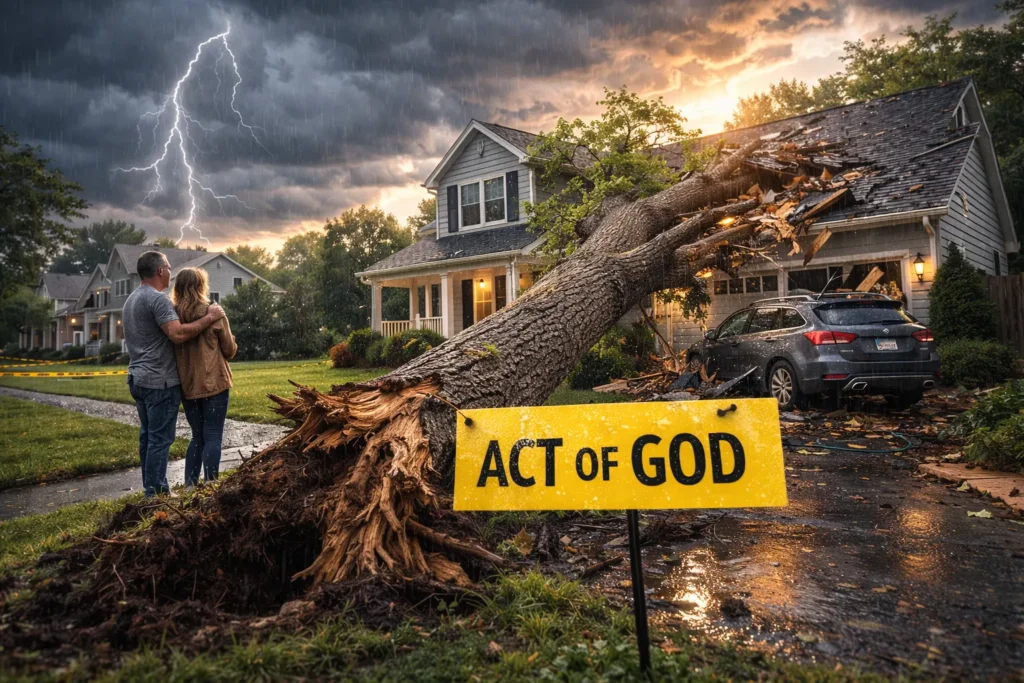
The term “act of God” is commonly used after storm-related damage. In insurance language, it typically refers to an unavoidable natural event that could not reasonably have been prevented.
If a structurally sound tree with no visible defects fails during an extreme wind event, liability may be limited. However, this classification changes when clear warning signs were present prior to failure.
Common examples that can shift a situation from natural event to negligence include:
Long vertical trunk cracks
Significant dead canopy sections
Large basal cavities or decay pockets
Noticeable lean that progressed over time
Root damage from construction or excavation
Insurance carriers often investigate whether a tree displayed obvious structural defects before it failed. If prior complaints were made, or visible defects were ignored, liability exposure increases.
In Middletown’s older neighborhoods, many trees predate the homes themselves. Structural fatigue accumulates gradually. The fact that a tree leafs out each spring does not confirm structural stability.
Understanding this distinction is critical for homeowners and associations who wish to protect themselves before damage occurs.
The Warning Signs Homeowners Overlook
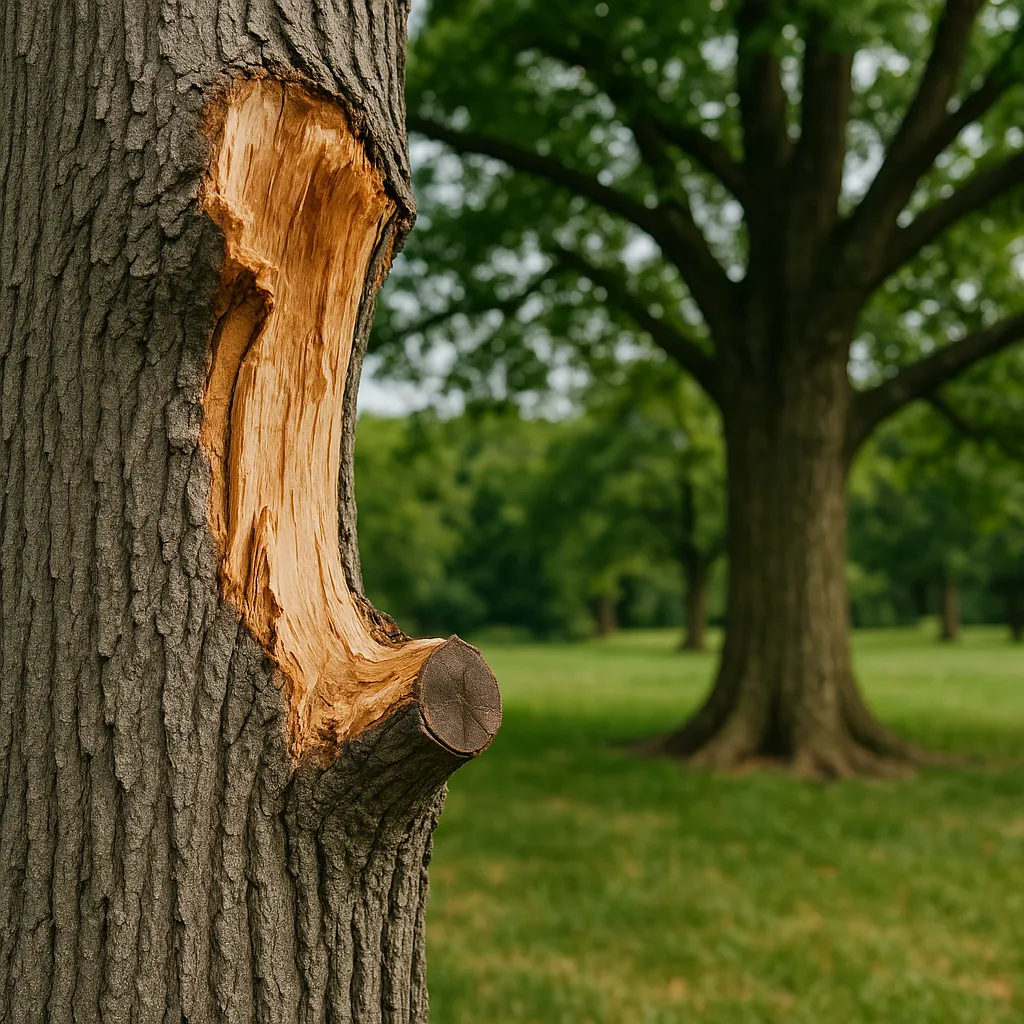
Tree failures rarely occur without indicators. The difficulty is that many structural warning signs are subtle or misunderstood.
A vertical trunk crack is one of the most serious indicators of structural compromise. These cracks often signal internal fiber separation. Under wind load, they can expand rapidly and lead to catastrophic splitting.
Large cavities at the base of a tree reduce load-bearing strength. While some hollow trees can remain standing for years, decay in key structural zones significantly increases failure probability.
Deadwood in the upper canopy is another common indicator of decline. In Middletown’s clay-heavy soils, compounded by periodic coastal wind exposure, root systems can weaken gradually.
Other red flags include:
Soil heaving around the base
Exposed or severed roots
Multiple heavy limbs emerging from weak unions
Co-dominant trunks with included bark
A lean that has noticeably increased
Many property owners rely on visual symmetry or leaf density as a measure of health. Structural integrity, however, depends on internal wood condition and root anchorage, not foliage alone.
Routine professional assessment helps identify these conditions before environmental stress exposes them.
Property Line Trees and Neighbor Liability
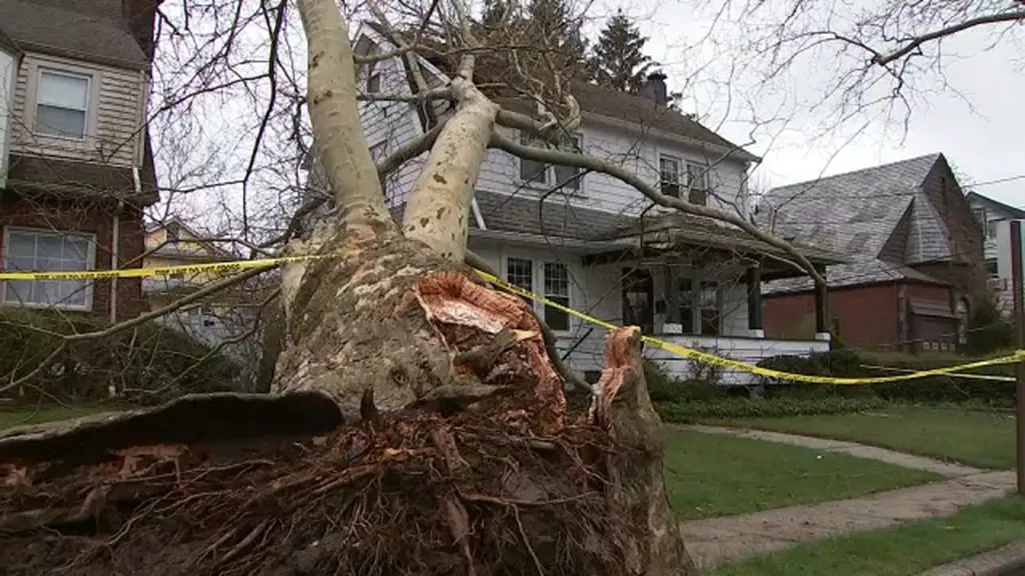
Established sections of Middletown often feature trees planted close to boundary lines. Over time, trunk expansion and canopy growth blur property distinctions.
If a tree trunk is entirely on one property, responsibility generally lies with that owner. If the trunk straddles a boundary, ownership may be shared, creating complexity in maintenance decisions.
Neighbor disputes often arise when one party believes a tree is hazardous and the other disagrees. If a tree subsequently fails and causes damage, documentation becomes central to determining responsibility.
Neighbors typically have the right to trim branches that extend over their property, provided such trimming does not destabilize the tree or create additional hazard.
In cases of disagreement, independent arborist evaluations provide objective analysis. Documentation of structural condition, risk level, and recommended action can prevent minor concerns from escalating into legal conflict.
Addressing structural risk early reduces exposure for all parties.
Middletown's #1 Tree Expert Company
FREE Inspection & Estimate | Certified Arborists | Trimming, Pruning, Removal, More!
Sponsored
HOA Tree Liability in Middletown Communities

Homeowners Associations in Middletown frequently manage significant tree inventories. Entry corridors, buffer zones, internal common areas, and perimeter plantings are often under association control.
With that control comes duty of care.
If an association maintains trees within common areas, it is responsible for monitoring and addressing hazardous conditions. Failure to conduct periodic inspections can expose the association to liability if a tree damages property or causes injury.
Deferred maintenance is a recurring issue in many communities. Budget constraints lead to postponed pruning cycles and limited hazard evaluations. While short-term savings may be achieved, long-term risk often increases.
Documented inspection programs demonstrate due diligence. Annual or biannual certified arborist evaluations provide written assessments that support responsible governance.
HOA boards that treat tree management as infrastructure oversight, rather than purely aesthetic landscaping, are better positioned to defend against claims.
The Financial Cost of Waiting
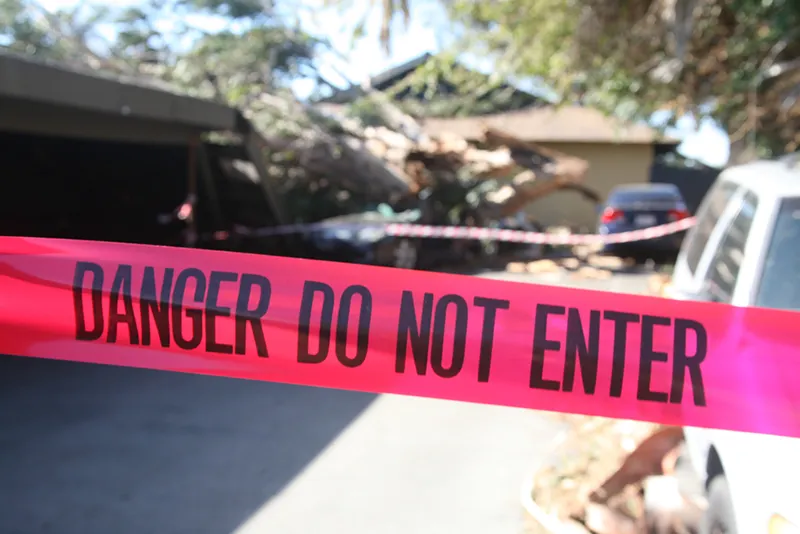
Proactive pruning or removal has a predictable cost structure. Emergency response after structural failure does not.
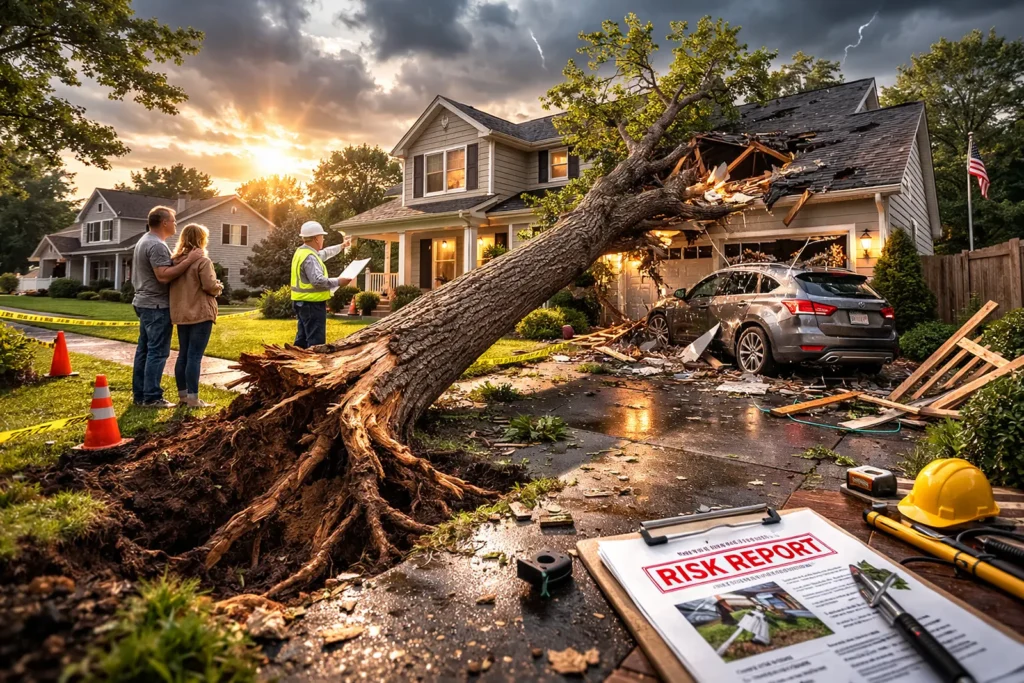
When a tree falls onto a structure, removal may require specialized equipment. Secondary costs include roof repairs, structural reconstruction, fencing replacement, vehicle damage, and insurance deductibles.
There are also indirect costs:
Temporary displacement
Disrupted access
Increased insurance scrutiny
Strained neighbor relationships
For HOAs, a single major incident can exceed the cost of several years of structured maintenance.
Risk management is not synonymous with aggressive removal. It involves identifying high-risk defects and applying appropriate corrective measures such as structural pruning, load reduction, cabling, bracing, or removal when necessary.
Timely intervention significantly reduces overall exposure.
Storm Patterns in Middletown Increase Risk
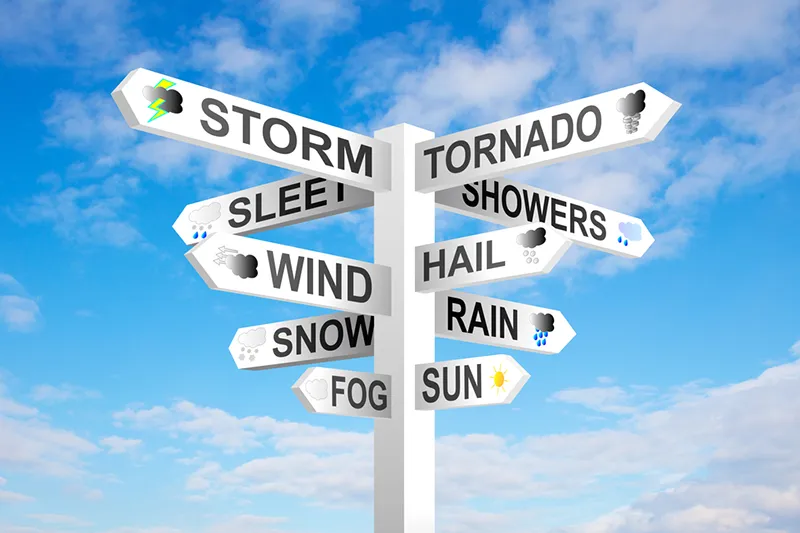
Middletown’s location within Monmouth County places it in a region susceptible to high wind events, heavy summer thunderstorms, nor’easters, and occasional hurricane impact.
Wind loading stresses canopy structures. Saturated soils reduce root anchorage strength. Repeated stress events accelerate internal fractures and root plate instability.
Older trees originally planted in open soil conditions may now face:
Compacted root zones from development
Altered drainage patterns
Restricted root expansion from driveways and sidewalks
Historic improper pruning practices
Environmental changes surrounding the tree often play as significant a role as age itself.
Understanding both tree structure and site conditions provides a more accurate assessment of failure probability.
Documentation: Your Best Protection Before and After an Incident
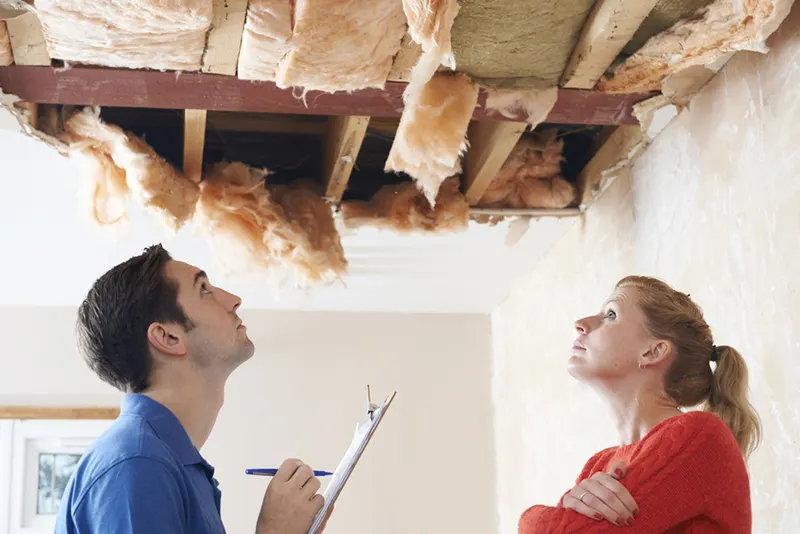
In tree liability cases, documentation often determines outcome.
A professional tree risk assessment establishes:
Structural condition at the time of inspection
Identified defects
Assigned risk level
Recommended corrective action
If corrective action is completed, responsible management is demonstrated. If monitoring is advised, that record provides context should a later event occur.
For HOA boards, maintaining inspection records supports claims of due diligence and informed oversight.
The distinction between unavoidable natural event and preventable negligence frequently rests on whether documented evaluation occurred.
Middletown's #1 Tree Expert Company
FREE Inspection & Estimate | Certified Arborists | Trimming, Pruning, Removal, More!
Sponsored
Responsible Tree Stewardship in Middletown

Middletown’s tree canopy contributes significantly to neighborhood appeal and long-term property value. Preserving that canopy responsibly requires awareness of structural risk, not reaction after failure.
Homeowners and associations that understand warning signs, liability distinctions, and environmental stress factors are better equipped to make informed decisions.
This educational resource is sponsored by Hufnagel Tree Service, a certified arborist serving Monmouth County for over 25 years.