
“Exploding Trees” Explained: Why Extreme Cold Is Causing Trees to Crack, Split, and Fail

Winter Split Tree
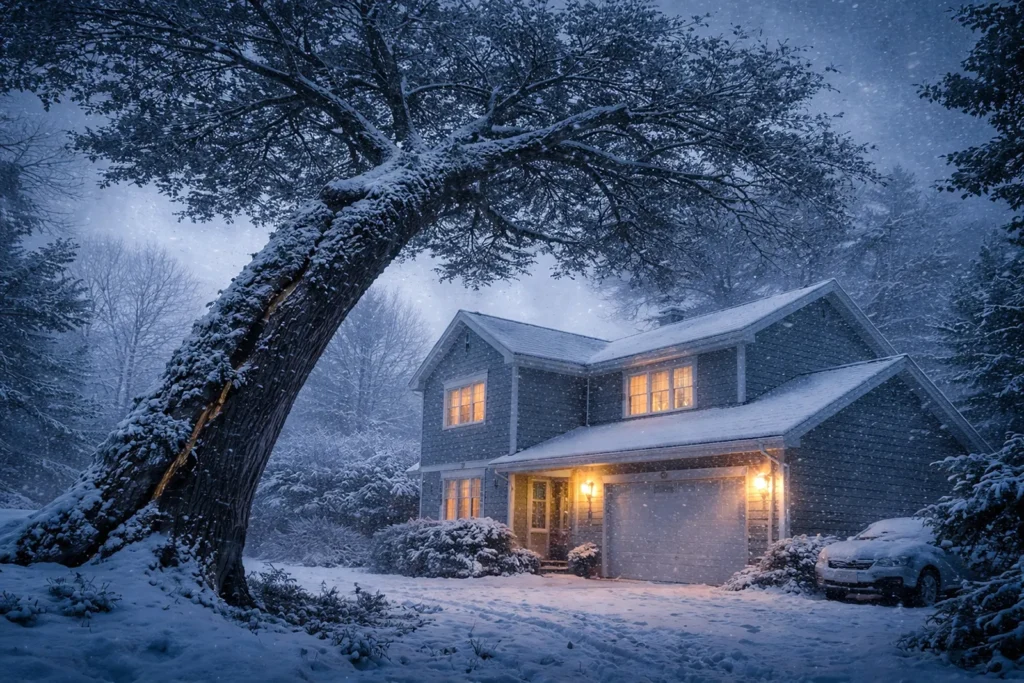
Extreme cold snaps can cause trees to crack, split, and fail without warning, a phenomenon often referred to as “exploding trees.” This article explains how rapid temperature drops damage trees internally, why winter-related fractures are frequently missed, and what New Jersey homeowners should know to prevent delayed tree failures after harsh winters.

Middletown's #1 Tree Expert Company

FREE Inspection & Estimate | Certified Arborists | Trimming, Pruning, Removal, More!

Sponsored

As a brutal Arctic cold snap sweeps across parts of the Northeast and Mid-Atlantic, meteorologists and arborists are warning homeowners about a little-known winter phenomenon that can damage even healthy trees. It’s being called “exploding trees,” but the reality is less dramatic and far more dangerous.

During extreme cold events, trees can crack suddenly with a loud bang that sounds like a gunshot or small explosion. These fractures can occur without wind, storms, or visible warning signs, and they often leave trees structurally compromised long after temperatures rise.

This is not a myth or media exaggeration. It is a real physical reaction inside the tree, and it becomes more common as temperature swings grow more severe.


What Actually Causes Trees to “Explode”

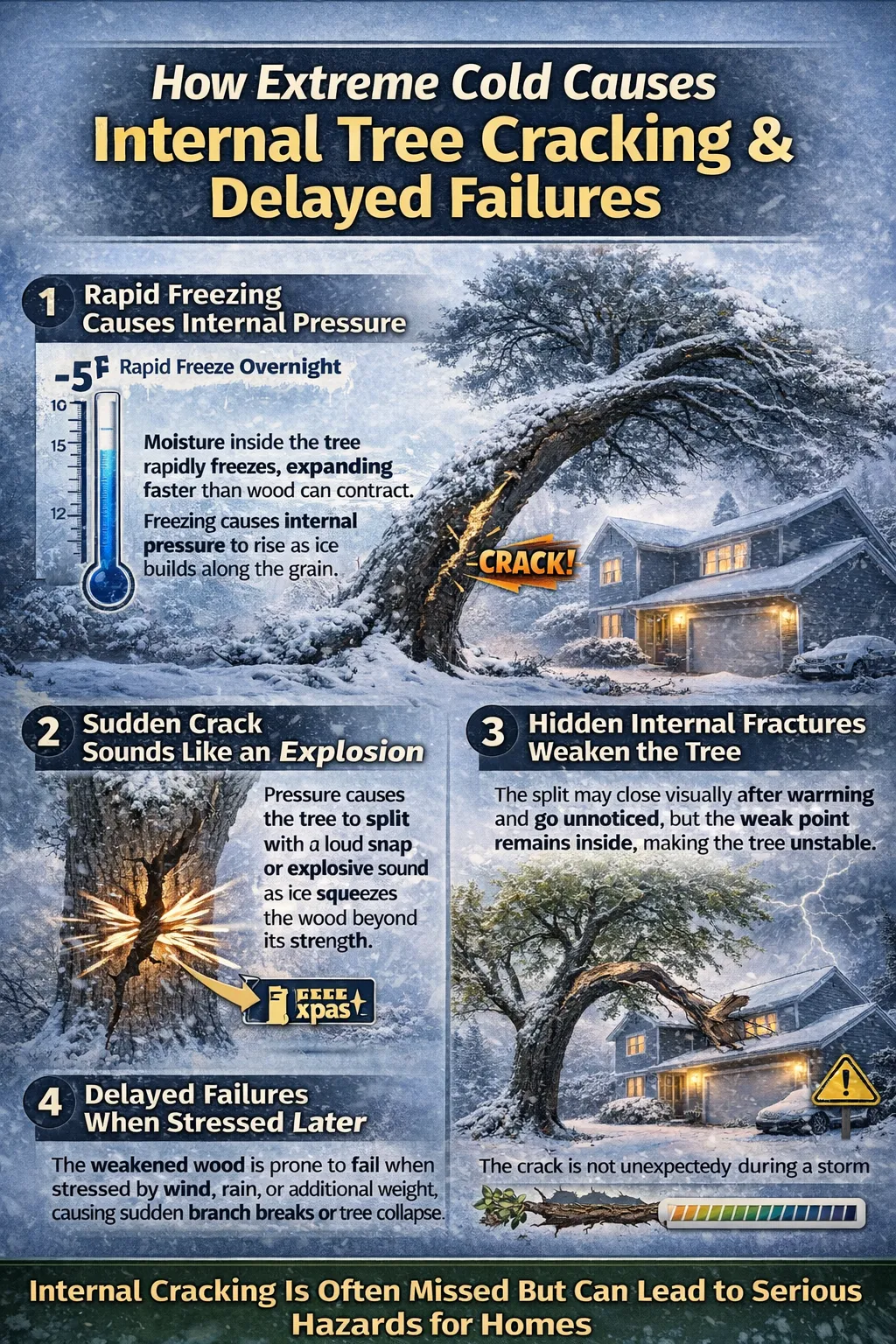
Trees are living structures filled with moisture. Sap and water inside the trunk and limbs expand and contract with temperature changes. When temperatures plunge rapidly, especially after a mild or wet period, that moisture can freeze faster than the wood can adapt.

As ice forms inside the tree, pressure builds along the grain. Eventually, the internal stress exceeds the strength of the wood fibers, causing the trunk or major limbs to crack. When that release happens suddenly, it produces a sharp, explosive sound.

The damage may appear as:

  • Long vertical cracks along the trunk

  • Split limbs with clean internal fractures

  • Hidden internal damage not visible from the outside

Once this happens, the tree’s structural integrity is permanently altered.

Why Winter Tree Damage Is Often Missed

One of the most dangerous aspects of cold-related tree cracking is that it frequently goes unnoticed. Snow, ice, and dormant canopies hide the evidence. Homeowners may not realize anything happened until spring, or until a limb fails during a later storm.

In some cases, the crack closes visually as temperatures rise, giving the illusion that the tree healed. In reality, the internal wood fibers have already separated. That weak point becomes a failure zone under wind, rain, or additional weight.

This is why winter tree damage is often linked to delayed failures in early spring or during the first major thunderstorm of the year.


Which Trees Are Most at Risk

Not all trees respond to extreme cold the same way. Some species are more susceptible to internal cracking, especially when they are mature or already under stress.

Higher-risk trees often include:

  • Large, mature deciduous trees with thick trunks

  • Trees with existing decay or internal moisture pockets

  • Trees that experienced heavy rainfall before a sudden freeze

  • Trees growing in compacted or poorly drained soil

Urban and suburban trees face additional risk because they are often surrounded by pavement, altered drainage, and restricted root zones. These conditions can increase moisture retention and amplify freeze-thaw stress.


The Role of Rapid Temperature Swings

Cold alone does not always cause tree cracking. The biggest risk comes from rapid temperature drops, especially when temperatures fall from above freezing to well below zero in a short period of time.

When wood contracts faster than internal moisture can adjust, stress builds rapidly. This is why many reports of cracking occur overnight or during sudden Arctic blasts, even when there is no wind or snowfall.

As climate patterns continue to produce sharper swings instead of gradual seasonal changes, this type of damage is becoming more common.

Why Cracked Trees Become Safety Hazards

A tree that has cracked internally is unpredictable. Even if it looks stable, the damaged section no longer distributes weight evenly. Over time, normal movement from wind or growth can cause the crack to widen.

Common risks include:

  • Large limbs dropping without warning

  • Trunks splitting further under load

  • Entire trees failing at the base during moderate storms

These failures often happen months after the initial cold event, which makes them especially dangerous. By the time spring arrives, most homeowners are no longer thinking about winter weather damage.


What Homeowners Should Do After Extreme Cold

After a major cold snap, it’s smart to inspect trees once conditions are safe. Look for visible cracks, separated bark, or limbs that appear misaligned. Listen for unusual creaking sounds during windy days, which can indicate internal weakness.

However, many cold-related fractures are internal and not visible without professional evaluation. Arborists use experience, sound testing, and visual indicators to identify compromised trees before they fail.

Preventive action after winter damage is far less costly and far safer than emergency response later.


A Growing Reminder About Professional Tree Care

The idea of “exploding trees” may sound dramatic, but it highlights a serious truth. Trees are dynamic structures affected by weather in ways most people never see. As extreme weather events become more common, so do hidden tree risks.

Winter is no longer a quiet season for trees. Cold snaps, freeze-thaw cycles, and sudden temperature drops can cause lasting damage that only shows itself when it’s too late.

Understanding these risks, and addressing them early, is one of the most important steps homeowners can take to protect their property, their families, and their neighborhoods.

Middletown Seasonal Tree Service

A Message From A Certified Arborist

By Michael Hufnagel, Certified Arborist

New Jersey winters have always tested our trees, but the extreme temperature swings we’re seeing lately are creating risks many homeowners don’t expect. Sudden deep freezes, especially after wet or mild weather, can cause internal cracking that weakens trees long after the cold passes. In my 25-plus years working throughout Monmouth and Middlesex Counties, I’ve seen countless trees fail weeks or even months after winter damage went unnoticed. This is why professional tree evaluations after harsh winters are more important than ever. If you’re concerned about the health or safety of your trees, having a certified arborist assess them early can prevent costly damage later and help preserve trees that might otherwise be lost. Call for me details on how we can help (732) 291-4444.
Middletown's #1 Tree Expert Company

FREE Inspection & Estimate | Certified Arborists | Trimming, Pruning, Removal, More!

Sponsored

Share the Post:

Related Posts

Black Knot Fungus
Tree Health & Pests

Black Knot Fungus Is Spreading Across New Jersey

Black knot fungus has become increasingly common across New Jersey, particularly affecting plum and cherry trees. This slow-moving fungal disease often goes unnoticed until damage is severe. Understanding the signs, risks, and proper response can help homeowners protect their trees and prevent further spread.

Hidden Tree Damage
Storm Preparation & Recovery

The Hidden Dangers Inside Trees That Many Middletown Homeowners Never See Coming

Not all tree damage is obvious. In Middletown, some of the most dangerous tree failures begin silently years before a branch falls or a trunk splits. This article explores the hidden forms of tree damage that quietly increase risk on residential properties, and why waiting for visible signs often means waiting too long.

Damaged Tree
Hazardous Trees

Why So Many Middletown Trees Are Reaching a Breaking Point

Many of Middletown’s trees were planted during the same development boom and are now reaching full maturity at the same time. This article explains why age, soil conditions, past pruning decisions, and changing weather patterns are pushing so many trees toward structural failure, and why the next decade will be critical for homeowners.

Storm Preparation & Recovery

2025: A Turbulent Storm Year For New Jersey, And Why Certified Arborists Matter More Than Ever

New Jersey saw one of its most turbulent storm years in 2025, with record rainfall, high winds, and widespread weather damage across Middletown Township. Many local trees were stressed, weakened, or left unstable. This article explains why homeowners should take storm-proofing seriously and why certified arborists are essential for tree risk assessments, mitigation, pruning, restoration, and safe removals before next year’s storms arrive.

How To Plant A Tree
Conservation & Sustainability

Planting Trees the Right Way in Middletown Township NJ

Choosing the right spot to plant a new tree is the key to long term health and low maintenance. This guide helps Middletown Township homeowners in Locust, Chapel Hill, Oak Hill, and Lincroft understand sunlight, soil, spacing, water needs, cleanup issues, and growth patterns so every new tree thrives for decades.

Tree Care & Maintenance

Recognizing the Signs of an Unhealthy Tree Early

Even healthy-looking trees can hide early signs of trouble. In Middletown Township, subtle changes in color, leaf growth, or bark texture can signal root stress, pests, or decay before larger problems appear. Learn how to recognize the warning signs of an unhealthy tree, protect your property, and know when it’s time to call in a certified arborist.