Middletown's #1 Tree Expert Company
FREE Inspection & Estimate | Certified Arborists | Trimming, Pruning, Removal, More!
Sponsored
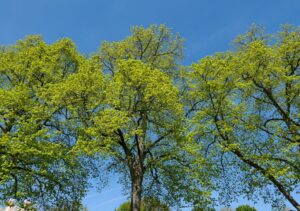
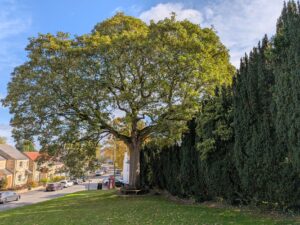
In neighborhoods throughout Middletown Township, mature trees are a defining part of the landscape. They line streets, shade backyards, frame homes, and give long-established neighborhoods their character. Yet behind many of these seemingly healthy trees is a growing problem that homeowners rarely recognize until it is too late. The most serious threats to tree safety are often hidden inside the trunk, buried below ground, or concealed high in the canopy, invisible to anyone looking from the yard or driveway.
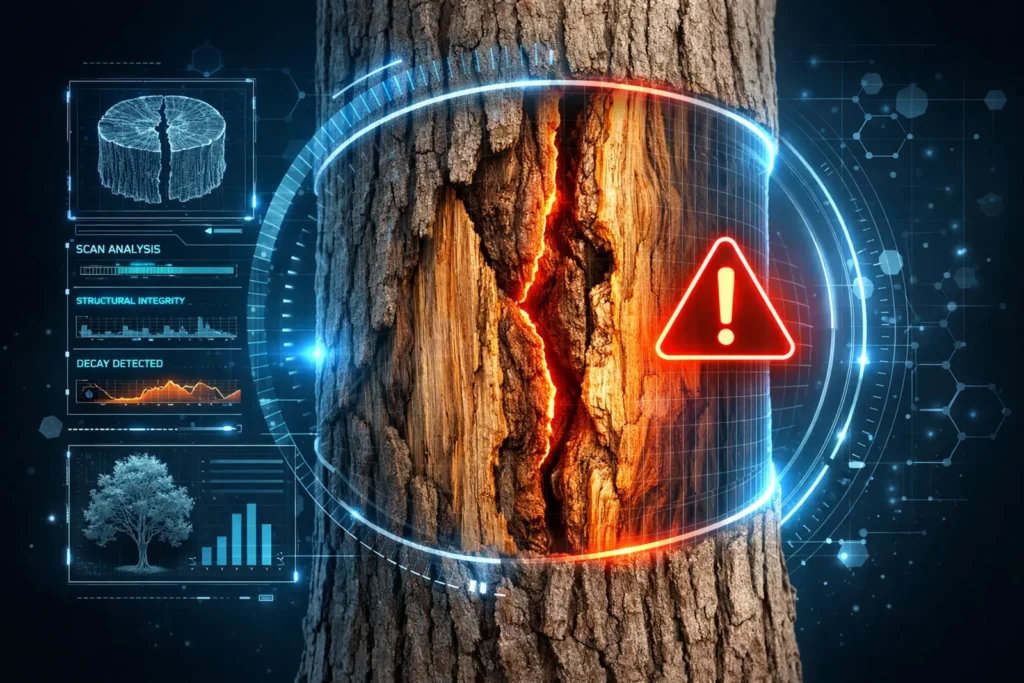
Unlike obvious storm damage, internal tree failure develops quietly. A tree can appear full, green, and stable while slowly losing the structural integrity that keeps it upright. Internal decay is one of the most common contributors. This decay often begins years earlier at old pruning wounds, cracks in branch unions, or areas where water repeatedly infiltrates the wood. Over time, sound fibers are replaced with compromised material, weakening the tree from the inside out. Because the outer shell remains intact, the tree continues to look healthy, even as its ability to support its own weight diminishes.
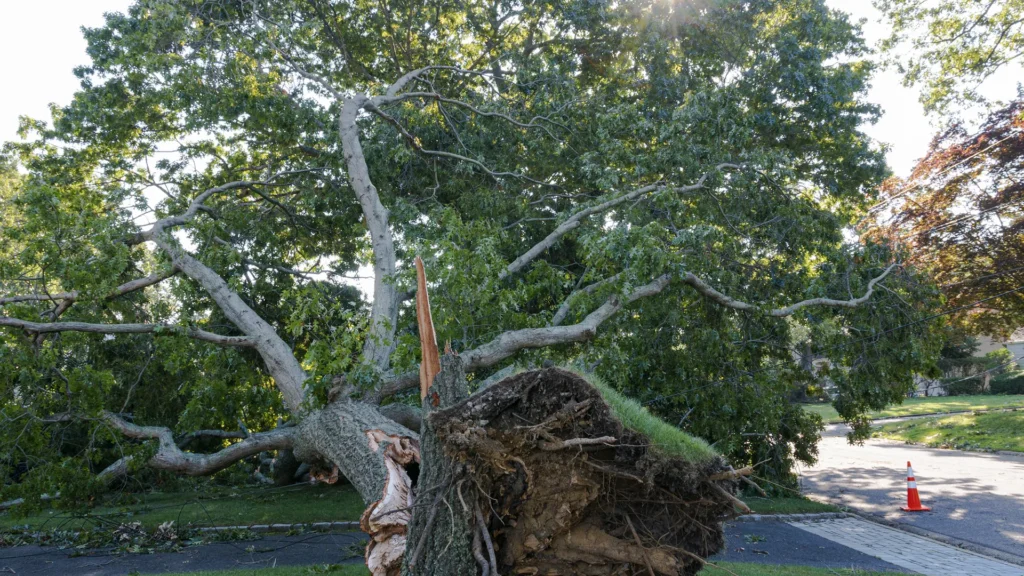
This type of deterioration is especially dangerous because it provides no dramatic warning. Leaves continue to grow. Branches continue to extend. To a homeowner, nothing appears urgent. But when internal decay reaches a critical point, failure can occur without storms, without high winds, and without any clear trigger. Limbs can drop on calm days. Entire trees can split or uproot with little notice. When this happens, it often shocks property owners who believed the tree was perfectly fine.
Hidden danger is not limited to decay alone. Many of the trees creating concern today are living with the long-term consequences of decisions made decades ago. Improper pruning practices, especially topping or excessive thinning, may not cause immediate problems. Instead, they alter how a tree grows and distributes weight over time. Regrowth from old cuts can form weak attachments that look solid for years, then fail once branches reach full size. As trees mature, small structural flaws become major liabilities.
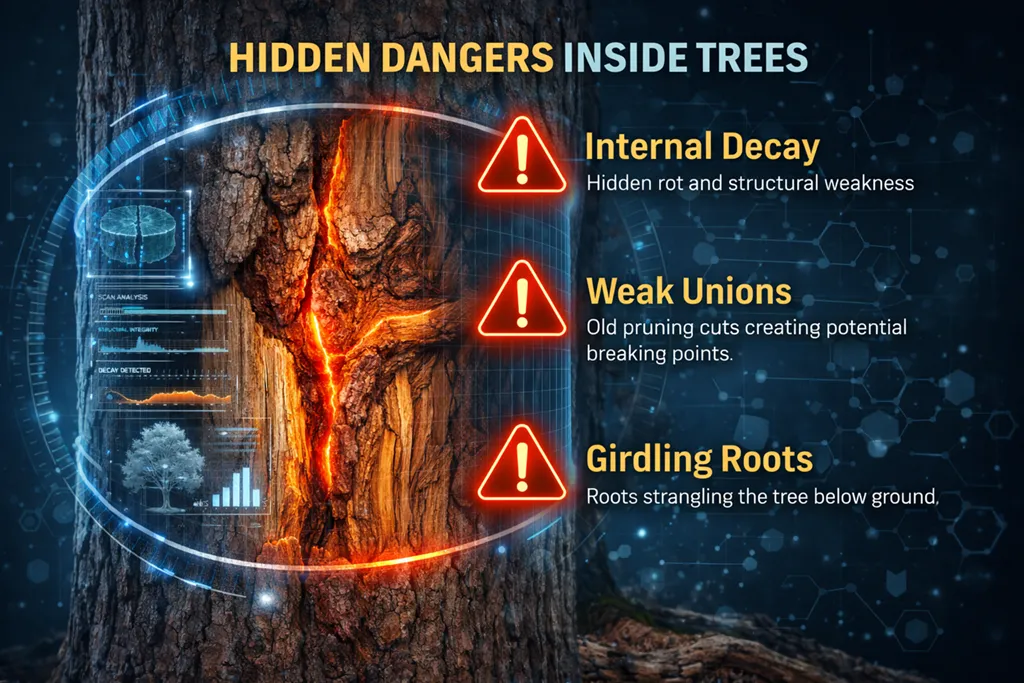
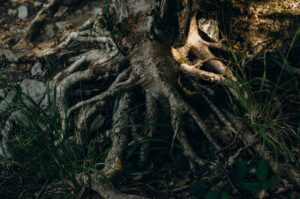
Root systems present another unseen risk. Roots are responsible for anchoring the tree and supplying water and nutrients, yet they are rarely considered once a tree is planted. Construction activity, soil compaction, grading changes, driveway installations, and utility work can all damage roots without affecting the tree’s appearance above ground. Trees compensate for this damage by adjusting growth patterns, sometimes for many years. Eventually, however, anchoring strength declines. When saturated soil, minor wind, or shifting ground conditions occur, the tree may no longer be able to remain stable.
This is why some of the most severe tree failures happen outside of major storms. While storms often reveal weaknesses, they are not always required to cause failure. When internal decay, poor structure, and root instability combine, gravity alone can be enough. Homeowners are left wondering how a tree that looked healthy could fail so suddenly.
One of the most common mistakes property owners make is waiting for visible warning signs. Leaning trunks, dead branches, cracking bark, or visible rot typically appear late in the failure process. By the time these symptoms are obvious, corrective options are limited and removal is often the safest course of action. Early evaluation, on the other hand, can allow for targeted pruning, weight reduction, structural correction, or long-term monitoring that preserves the tree while reducing risk.
Middletown’s landscape makes this issue even more important. Many residential areas feature mature trees planted during the same development periods decades ago. These trees are now reaching full size at the same time, carrying maximum canopy weight on soils that may be compacted or poorly drained. Wind exposure varies significantly across the township, and subtle elevation changes can amplify stress on already vulnerable trees. As a result, hidden defects that once posed little risk are now becoming critical concerns.
For homeowners, the takeaway is not fear, but awareness. Trees do not fail randomly. In most cases, the warning signs were present long before an incident occurred, just not visible without trained evaluation. Understanding that difference is key to protecting homes, vehicles, fences, and the people who live beneath these trees.
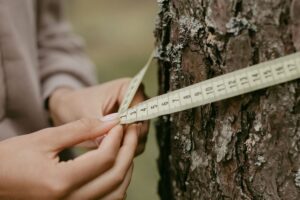
This is where a professional arborist becomes essential. Arborists are trained to assess structure, identify internal decay, evaluate root stability, and recognize risk factors that are not obvious from the ground. They do not simply look at whether a tree is alive. They assess whether it is safe. That distinction can mean the difference between proactive care and emergency response.
If you have mature trees on your property, especially ones close to structures, walkways, or neighboring homes, now is the time to act. Waiting for a storm, a visible crack, or a fallen limb often means waiting until damage has already occurred. A professional arborist evaluation can provide clarity, reduce uncertainty, and help you make informed decisions before problems escalate.
Hidden tree dangers rarely announce themselves. They build quietly over time, out of sight and out of mind, until the moment they demand attention. Bringing in a qualified arborist now can help ensure your trees remain assets rather than liabilities, and keep your property safe long before the risks become obvious.
If you have mature trees on your property, especially ones near your home, driveway, fencing, or neighboring structures, this is the moment to act before hidden issues turn into costly damage. A professional arborist can identify risks that are not visible from the ground and help you make informed decisions while options still exist.
Reasons to call a certified arborist now:
Identify internal decay, weak structure, and root instability before failure occurs
Reduce risk to your home, vehicles, and family through proactive evaluation
Preserve healthy trees with targeted pruning and structural correction
Avoid emergency removals and higher costs caused by sudden tree failure
Trees rarely fail without warning. The warning signs are often just hidden from view. An arborist helps you see them before it’s too late.