Middletown's #1 Tree Expert Company
FREE Inspection & Estimate | Certified Arborists | Trimming, Pruning, Removal, More!
Sponsored
When the Big Oak Comes Down
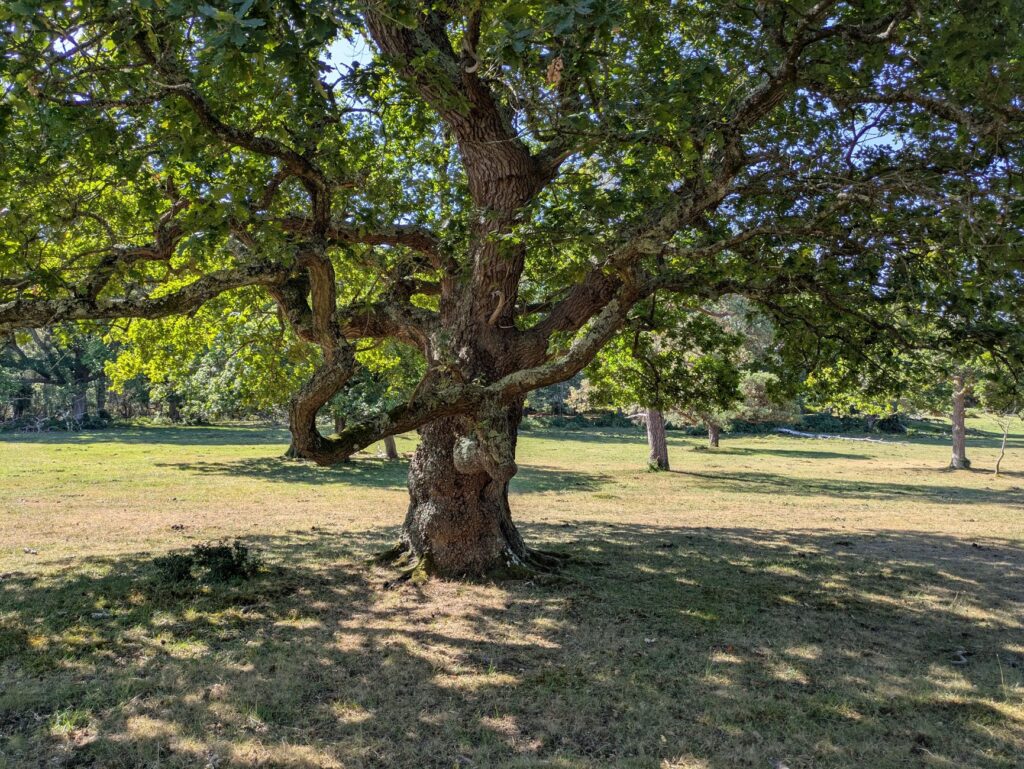
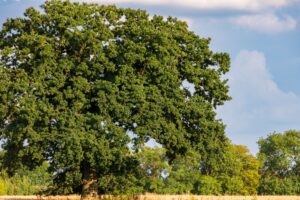
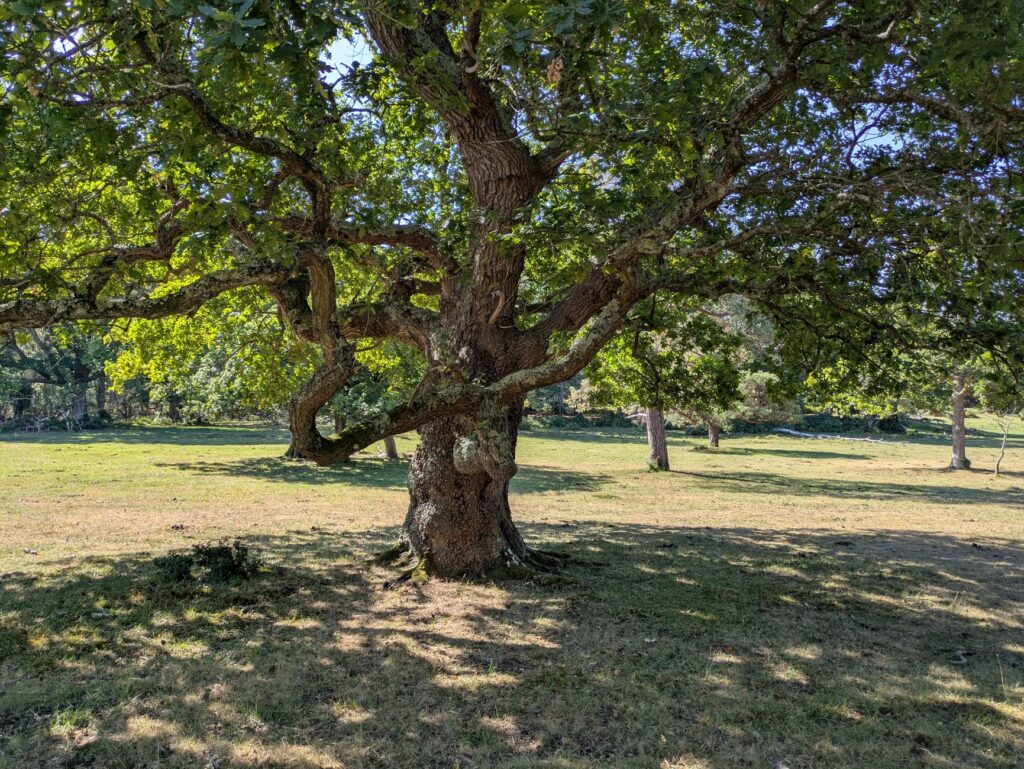
It’s the last week of June in Middletown, and the heat is already settling in over the Raritan Bay corridor the way it does every summer — heavy, humid, and relentless. I was out in Lincroft last Tuesday looking at a white oak (Quercus alba) that a homeowner wanted my opinion on. The tree was enormous — close to 28 inches in diameter at chest height, probably 80 to 90 years old. There was some deadwood in the upper canopy and a cavity low on the trunk, and the homeowner had already gotten a quote for removal. Before I said a word about the tree’s condition, I asked her a question: “Do you know how much this tree is actually doing for your property right now?”
She looked at me the way most people do when I ask that. “It gives us shade,” she said. Yes — it certainly does. But the shade is just the beginning. A mature tree of that caliber is quietly running a one-tree ecosystem in your backyard, and the moment it comes down, you start feeling the losses in ways you didn’t anticipate: rising cooling bills, a warmer yard, gone bird life, a property that suddenly looks exposed, and the sobering realization that replacing it will take your grandchildren’s lifetimes.
I’m not suggesting every struggling tree should be saved at all costs. Sometimes removal is the right call, and I’ll be honest about that later in this article. But before that decision is made, every Middletown homeowner deserves to understand what’s actually at stake.
The Invisible Services a Big Tree Performs Every Day
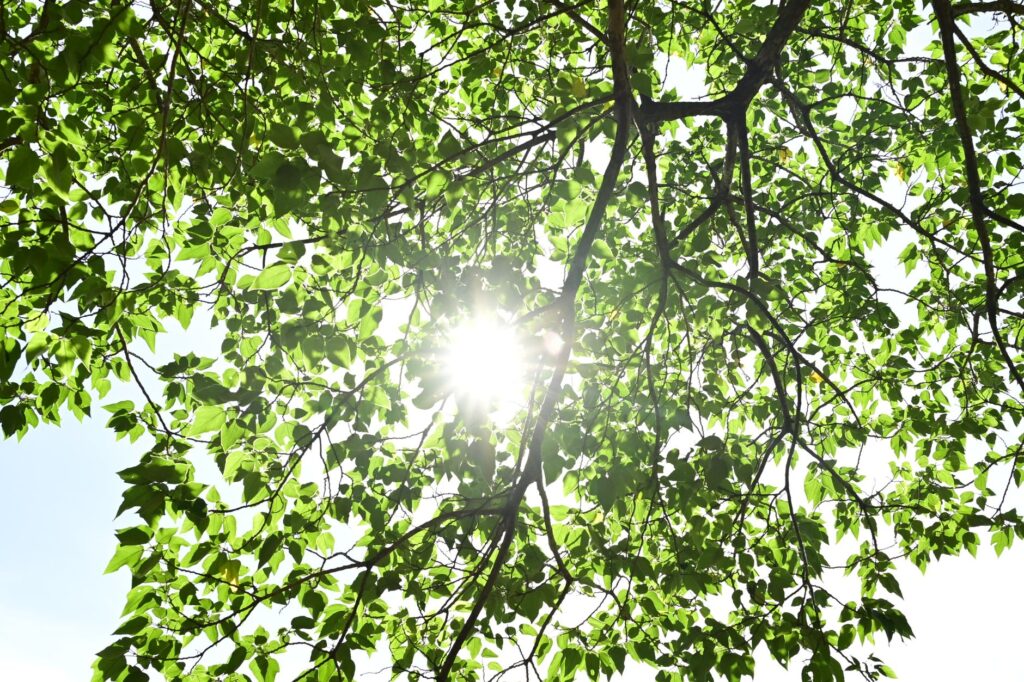
We talk about shade like it’s a simple thing — a tree blocks the sun and keeps you cool. The physics underneath that shade are remarkable. A large white oak or red maple (Acer rubrum) in full summer leaf is transpiring — releasing water vapor through its leaves — at a rate of 100 to 150 gallons on a hot day. That evaporative cooling effect can lower air temperatures beneath the canopy by 10 degrees Fahrenheit or more compared to a nearby paved or open surface. On a 94-degree Middletown afternoon in late June, that differential is the difference between a yard you can use and one you can’t.
Beyond cooling, a mature tree is a stormwater sponge. The canopy intercepts rainfall before it hits the ground, slowing runoff and giving the soil time to absorb it. A large tree can intercept thousands of gallons of rainfall annually — water that would otherwise run off into streets and storm drains, picking up pollutants along the way. The i-Tree Eco tool, developed in partnership with the USDA Forest Service, can calculate the annual dollar value a specific tree provides your property in stormwater interception, air quality improvement, and energy savings — and the numbers consistently surprise homeowners. In a township like Middletown, where localized flooding after heavy summer rain is a familiar problem, that canopy interception adds up to real dollars.
Mature trees also capture airborne particulates — dust, pollen, combustion byproducts — on the surfaces of their leaves and in the turbulent air around their crowns. And they sequester carbon year after year, with older, larger trees sequestering far more per year than younger ones. The USDA Forest Service’s urban forestry program has documented these benefits extensively, and the data consistently shows that no newly planted tree can replicate what a mature specimen provides anytime soon.
What Happens to Your Property After the Tree Is Gone
I’ve had clients call me six months after a major removal and tell me something feels off — the yard is hotter, the grass struggles, the back of the house seems brighter in a way that’s not entirely comfortable. They’re not imagining it. Without that canopy, direct solar radiation hits the soil and any structures beneath where the tree stood. Surface temperatures in that zone can spike dramatically on sunny summer days, and the cooling effect on adjacent walls, rooflines, and windows disappears. The air conditioning load on a house that once sat under a large canopy will measurably increase after removal.
Property values are also real considerations. Rutgers NJAES cooperative extension research and national studies have documented that mature, healthy trees add meaningful value to residential properties. Well-placed mature specimens can contribute anywhere from 5 to 20 percent to assessed property values in comparable markets. A 28-inch white oak isn’t a landscaping accessory — it’s an asset with a dollar figure attached.
There’s also a neighborhood microclimate effect that’s easy to overlook. Mature trees in Middletown’s older sections — around Navesink, the Lincroft corridor, and along the hillsides above Port Monmouth — form interlocking canopies that moderate the climate of the entire block. Remove one large anchor tree and the surrounding trees become more exposed to wind, which accelerates desiccation stress and increases storm risk for the trees that remain. The loss isn’t contained to your property line.
Middletown's #1 Tree Expert Company
FREE Inspection & Estimate | Certified Arborists | Trimming, Pruning, Removal, More!
Sponsored
The Wildlife Story Homeowners Rarely Consider
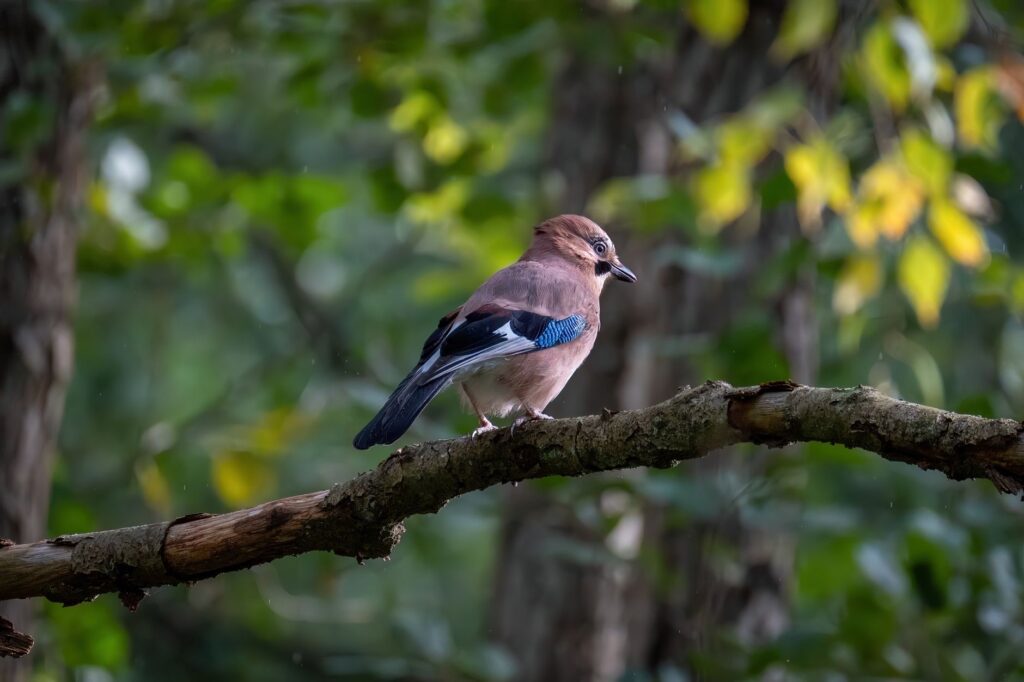
Here’s a number that tends to stop people: a single mature native oak supports more than 500 species of caterpillars and other insect larvae. This isn’t an abstraction. Those caterpillars are the primary food source for nearly every songbird nesting in your yard, particularly when parent birds are shuttling insects to hatchlings at a rate of hundreds of trips per day. Remove the oak, and within a few seasons, the bird life around your property shifts in ways that feel inexplicable at first — because the connection is so direct most homeowners never make it.
The International Society of Arboriculture’s public education resources highlight this wildlife interdependency as one of the most underappreciated values of mature urban and suburban trees. In Middletown, where green corridors connect to Hartshorne Woods Park, Poricy Park, and Tatum Park, individual backyard trees play a genuine role in the regional wildlife network. A mature oak or American beech (Fagus grandifolia) near the Navesink watershed isn’t just landscape — it’s habitat infrastructure.
Cavities in old trees — the hollows that form in decayed areas, bark fissures, and old woodpecker excavations — house screech owls, wood ducks, flying squirrels, and native bee colonies. A tree with a cavity isn’t necessarily a dying tree. It’s often a tree at its ecological peak. When we assess a tree with a cavity and find the surrounding structural wood sound, we frequently advise the homeowner to leave it in place and monitor it, rather than remove it out of cosmetic concern. The cavity is often the best thing on the property for wildlife.
The Replacement Math Most Homeowners Don't Run
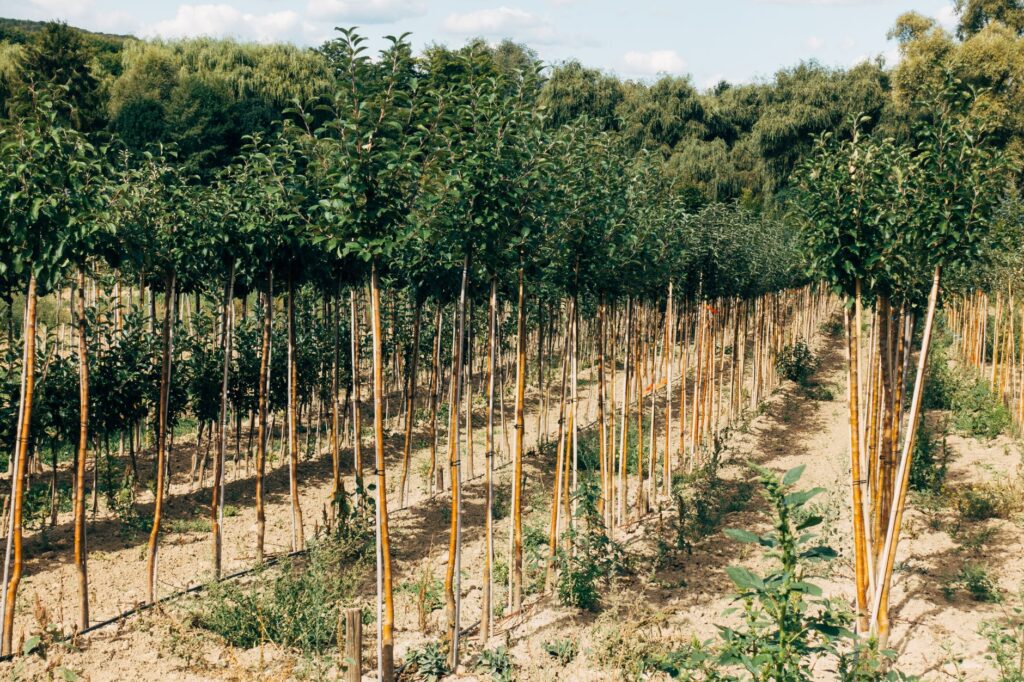
A nursery-grade replacement tree — say, a 2-inch caliper balled-and-burlapped white oak — will cost $300 to $600 to purchase, plus several hundred more to plant properly. That investment gives you a tree with a few dozen square feet of canopy coverage. The tree you removed may have had several thousand. To reach equivalent canopy coverage and root mass, you’re looking at 40 to 70 years of healthy, uninterrupted growth under ideal conditions. That is not a metaphor. That is a timeline that extends well past any reasonable planning horizon most homeowners are working within.
Certified arborists who specialize in tree valuation use a method called the trunk formula method to calculate the appraised value of a mature tree for insurance, legal, or estate purposes. A healthy, well-placed 28-inch white oak in a Monmouth County neighborhood can carry an appraised value of $15,000 to $60,000 or more depending on species, condition, and location. This isn’t a figure most homeowners expect — and it underscores why preservation, when viable, is often the more economically rational choice than removal followed by a $500 replacement tree that won’t reach equivalent size in anyone’s lifetime.
If your tree has been damaged — by a storm, by construction, by a neighbor’s contractor — a formal appraisal may be warranted for insurance or legal purposes. Ask your certified arborist whether the situation warrants one. ISA-credentialed tree appraisers can document value losses in a format that holds up with insurers and in legal proceedings.
When Removal Really Is the Right Answer
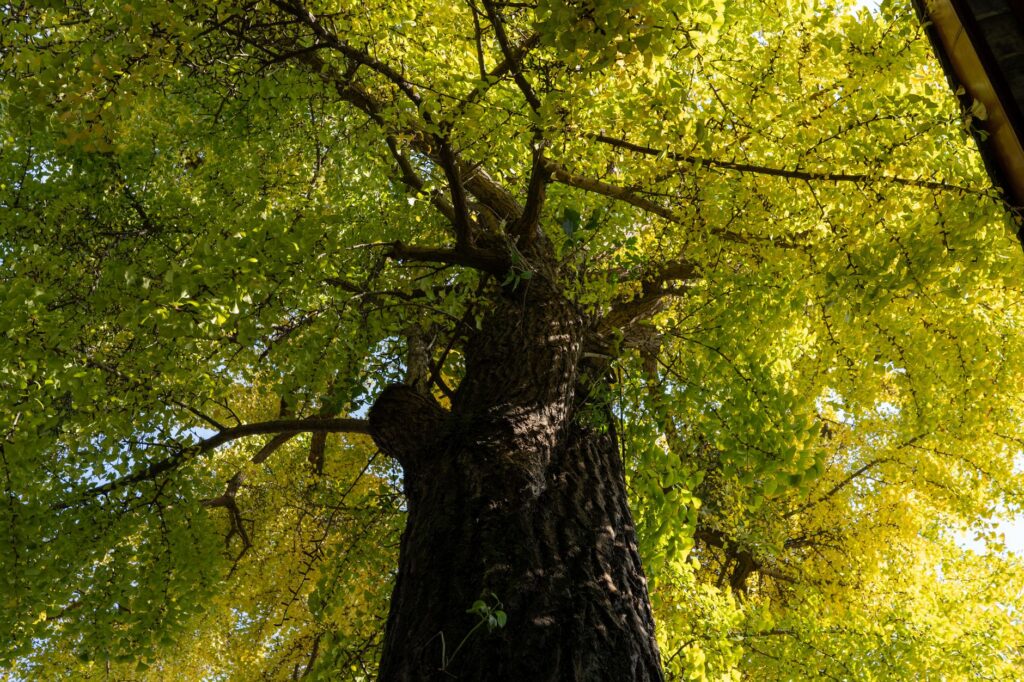
Everything above comes with an honest counterpoint: sometimes a tree has to come down, and it’s better to remove it safely than to wait for it to come down on its own. There are clear signs that a tree has moved past the point where preservation is responsible advice.
Structural indicators that lean toward removal include: cracks or splits at major branch unions that show active movement and have no cable support; significant root decay identified by probing, sonic testing, or air spading; more than 50 percent of the canopy dead or declining without a reversible cause; and trunk cavities that penetrate deeply into structural wood in a way that eliminates the tree’s ability to hold its own weight in a summer storm. These are the situations where I tell homeowners plainly: the tree needs to come out, and delaying increases the risk to your family and property.
What I’d encourage homeowners to resist is the impulse to remove preemptively without an objective assessment. A dead limb is not a dead tree. A cavity doesn’t mean the tree is hollow throughout. Bark discoloration isn’t always disease. The judgment calls that distinguish a manageable situation from a genuine removal scenario require hands-on experience, proper diagnostic tools, and the ability to read the whole tree — not just the part that’s worrying you from the ground. Those calls shouldn’t be made by someone with a saw and a truck, without a thorough inspection first.
Middletown's #1 Tree Expert Company
FREE Inspection & Estimate | Certified Arborists | Trimming, Pruning, Removal, More!
Sponsored
Before You Decide — Why a Professional Assessment Matters
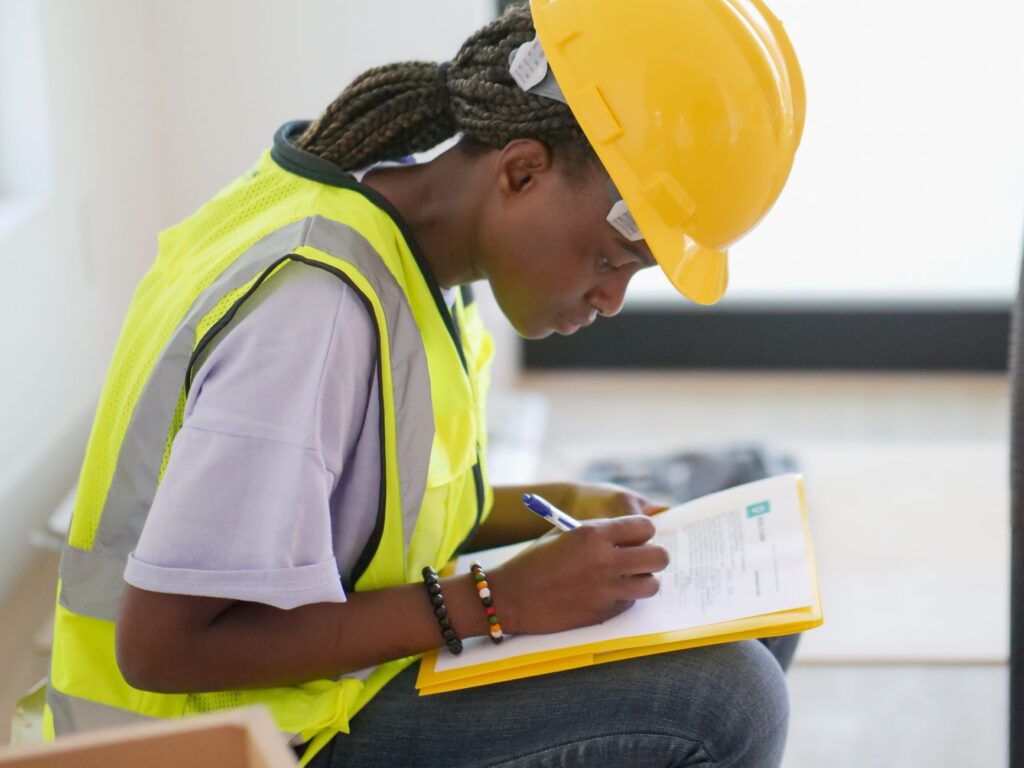
Before any decision is finalized about a mature tree on your Middletown property — whether that’s removal, major pruning, cable installation, or continued monitoring — the most valuable step you can take is a consultation with an ISA-certified arborist. A certified arborist is trained to evaluate the whole tree: canopy health, branch architecture, trunk structure, root zone condition, and the tree’s history of stress or damage. A written assessment gives you an objective baseline and protects you legally if a dispute arises with a neighbor or an insurer.
If a tree service company quotes you removal without offering any alternatives — without discussing whether targeted pruning, cable bracing, or disease treatment might extend the tree’s life safely — that’s worth noting. Reputable arborists present options based on what they find, not a predetermined outcome. The decision to remove a mature tree is significant enough that it deserves more than one opinion and more than a ten-minute driveway conversation.
Late June is when the stakes around these decisions feel highest. Midsummer storms are coming, the tree is under its maximum canopy load, and the heat is pushing everything. The right call on a mature Middletown tree — preserve it or remove it — is one of the more consequential property decisions a homeowner makes. Make it with the full picture in hand, from a professional who can give you the honest assessment the tree deserves.
Photo credits: Featured image by David Allen on Pexels; Section 1 by David Allen on Pexels; Section 2 by William Chen on Pexels; Section 3 by Valeria Nikitina on Pexels; Section 4 by Gundula Vogel on Pexels; Section 5 by Markus Winkler on Pexels; Section 6 by Peter Xie on Pexels; Section 7 by Kindel Media on Pexels.